New Hampshire House Committee Rejects Discounted Park Fees for Residents: What It Means
A New Hampshire House committee rejected a bill offering discounted state park fees for residents. Explore why this matters, potential impacts, and the future outlook.
New Hampshire House Committee Blocks Discounted Park Fees for Residents
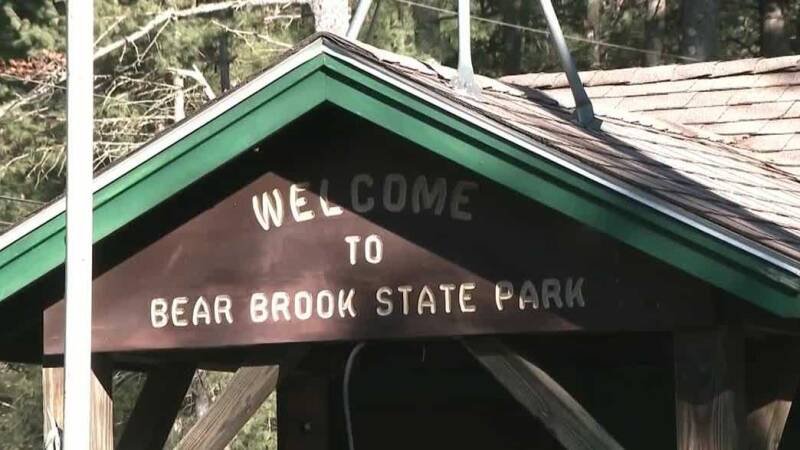
A New Hampshire House committee has recently rejected a bill that aimed to reduce state park fees for residents. The proposed legislation would have charged Granite Staters (New Hampshire residents) half the price that tourists pay to access the state's beautiful parks. This decision has sparked debate and raises important questions about accessibility, tourism, and the balance between attracting visitors and supporting local communities.
The Proposed Legislation
The bill, which had already passed the Senate, sought to create a two-tiered fee system for state parks. Residents would benefit from significantly lower entrance fees compared to non-residents. The intention was to make it more affordable for New Hampshire families to enjoy the state's natural resources and encourage outdoor recreation. Supporters argued this would boost local morale and provide more equitable access to these recreational areas.
Why This News Matters
This decision has several important implications:
- Impact on Residents: Reduced access to affordable recreation could disproportionately affect low-income families and those who rely on state parks for leisure activities.
- Tourism Concerns: While the bill aimed to benefit residents, opponents feared it could negatively impact tourism revenue, which is a significant contributor to the state's economy.
- Funding for Parks: State park fees contribute to the upkeep and maintenance of these valuable natural resources. Changes in fee structures could affect funding levels.
- Legislative Divide: The disagreement between the House and Senate highlights ongoing debates about economic priorities and the role of government in providing recreational opportunities.
Our Analysis
In our opinion, this decision represents a missed opportunity to prioritize the well-being of New Hampshire residents. While concerns about tourism revenue are valid, the potential benefits of increased access to state parks for local families should not be overlooked. A balanced approach, perhaps involving a phased implementation or alternative funding models, could have addressed both concerns.
This could impact New Hampshire residents by limiting affordable recreational opportunities. For families on a tight budget, the cost of visiting state parks may become prohibitive, restricting their access to nature and outdoor activities. Additionally, the rejection of this bill signals a potential reluctance to prioritize resident needs in the face of economic considerations tied to tourism.
Future Outlook
The future of state park fees in New Hampshire remains uncertain. Here are some potential scenarios:
- Possible Reconsideration: The bill could be brought up for reconsideration in the future, perhaps with amendments to address concerns about tourism revenue.
- Alternative Solutions: The legislature may explore alternative funding models to support state parks, such as increased general fund allocations or partnerships with private organizations.
- Continued Debate: The issue of state park fees is likely to remain a topic of debate, with ongoing discussions about balancing resident access, tourism revenue, and park funding.
It's possible that future discussions will focus on exploring alternative solutions, such as offering resident discounts during off-peak seasons or implementing tiered pricing based on income levels. The key will be finding a solution that benefits both residents and the state's overall economic health. It's also important to have open communication between the state government and its citizens to ensure all voices are heard.
In conclusion, the rejection of this bill underscores the complexities of balancing economic considerations with the needs of local communities. We believe that a more comprehensive approach is needed to ensure that New Hampshire's state parks remain accessible and affordable for all residents, while also supporting the state's tourism industry.