Nepal's Squatter Management Plan: A Path to Resolution or More Displacement?
The Nepali government unveils a plan to manage squatters in Kathmandu Valley. We analyze the details, potential impact, and future outlook of this complex issue.
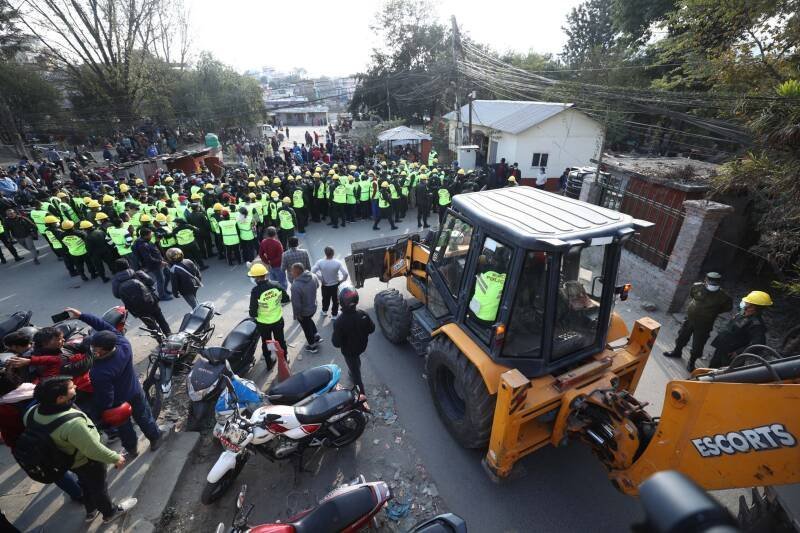



The Nepali government unveils a plan to manage squatters in Kathmandu Valley. We analyze the details, potential impact, and future outlook of this complex issue.
The Nepali government has announced a new initiative aimed at managing the growing issue of squatters, particularly those residing along riverbanks in the Kathmandu Valley. The plan involves a verification process to identify "genuine" squatters, followed by potential relocation efforts. While the plan's mere existence is a positive step, the devil, as always, is in the details.
The core of the government's strategy revolves around two key phases:
The definition of "genuine" squatter is crucial. This could be based on factors like length of residency, lack of alternative housing options, and economic vulnerability. However, the specific criteria remain to be fully transparent.
This plan addresses a long-standing and complex issue in Kathmandu. Squatting along riverbanks poses environmental risks, obstructs urban development, and raises concerns about public health and safety. Moreover, it highlights deep-seated issues of poverty, landlessness, and inequality within Nepali society. Effective management of this situation is vital for sustainable urban development and social justice.
Failure to address this issue adequately could result in:
In our opinion, the government's plan, while well-intentioned, requires careful consideration and transparent implementation. The verification process must be fair, accessible, and free from corruption. Defining “genuine” squatters needs clear and objective criteria, avoiding arbitrary decisions that could displace vulnerable populations.
The success of the relocation phase hinges on providing suitable alternatives for those who are moved. This includes access to essential services like water, sanitation, healthcare, and education. Job opportunities and livelihood support are also critical to ensure long-term sustainability.
Several potential pitfalls could undermine the plan's effectiveness:
The future success of this plan depends on the government's commitment to transparency, fairness, and comprehensive support for those affected. Engaging with squatter communities, NGOs, and other stakeholders is essential to ensure a participatory and equitable process. This could impact the living situation of thousands of Kathmandu residents.
Moving forward, it is crucial to monitor the implementation of the plan closely, track its impact on squatter communities, and hold the government accountable for its commitments. Sustainable solutions require addressing the root causes of squatting, including poverty, landlessness, and lack of affordable housing.
























