NASA's Artemis II Launches: A Giant Leap Back to the Moon
NASA's Artemis II mission launches four astronauts around the moon, marking a significant step in lunar exploration. Explore the mission's importance, analysis, and future implications.
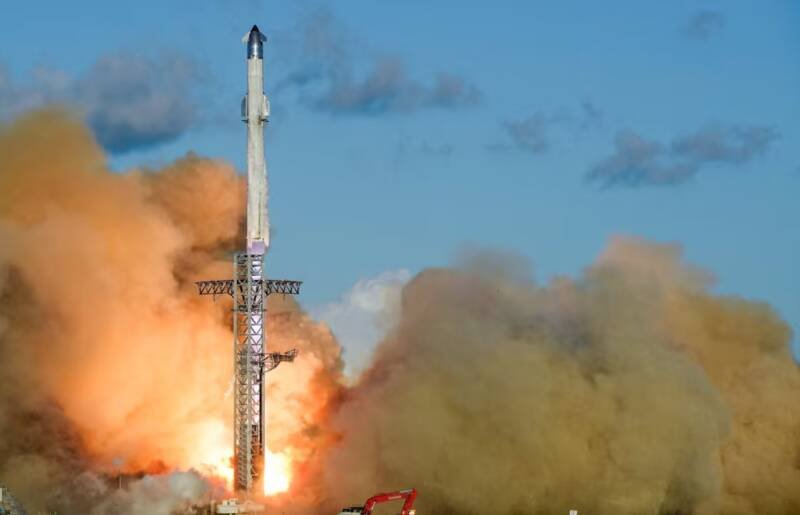



NASA's Artemis II mission launches four astronauts around the moon, marking a significant step in lunar exploration. Explore the mission's importance, analysis, and future implications.
Get ready for lift-off! NASA has successfully launched its Artemis II mission, sending four brave astronauts on a journey around the moon. This historic event, which took place on Wednesday from Florida, represents the first crewed lunar mission in half a century and signals America's determined effort to return humans to the moon before the decade is out.
The mission utilizes NASA's powerful Space Launch System (SLS) rocket. This behemoth is topped with the Orion crew capsule, the spacecraft that will carry the astronauts on their lunar voyage. The roar of the SLS marked a powerful moment, signifying a significant advancement in human spaceflight.
This launch is more than just a trip around the moon; it's a crucial stepping stone in NASA's Artemis program. The Artemis program has a clear and ambitious goal: to establish a sustained human presence on the moon. This mission specifically serves as a critical test of the Orion capsule's systems and capabilities in the harsh environment of deep space. Success here paves the way for future missions that will land astronauts on the lunar surface, enabling us to learn more about our celestial neighbor.
Furthermore, Artemis II underscores the ongoing "space race" between the United States and China. Both nations have set their sights on the moon, with plans to establish lunar bases and exploit lunar resources. This competition is pushing technological innovation and driving advancements in space exploration at an accelerated pace.
In our opinion, the Artemis II launch is a resounding success for NASA and a boost for the entire space exploration community. This mission demonstrates the U.S.'s unwavering commitment to leading the way in space. The data gathered during the flight will be invaluable in refining the design and operation of future lunar missions. The mission represents a validation of decades of research, development, and investment in space technology.
The selection of astronauts is also noteworthy. The diversity of the crew represents a conscious effort by NASA to be inclusive and reflect the global nature of space exploration. This diversity of backgrounds and perspectives will enrich the mission and inspire future generations of scientists and engineers.
The success of Artemis II will directly impact the schedule and scope of future Artemis missions. Assuming the mission proceeds as planned, Artemis III is slated to land astronauts on the moon's south pole, potentially as early as 2025. This mission will be a watershed moment, marking humanity's return to the lunar surface after a long hiatus. Beyond Artemis III, NASA plans to establish a permanent lunar base, known as Gateway, which will serve as a staging point for future missions to the moon and beyond.
This could impact the commercial space sector too, with companies like SpaceX and Blue Origin vying for contracts to develop lunar landers and other space infrastructure. The growing commercialization of space opens up new opportunities for innovation and reduces the cost of space exploration, enabling more frequent and ambitious missions.
Despite the optimism surrounding Artemis II, challenges remain. The mission must withstand the harsh conditions of deep space, including radiation exposure and extreme temperatures. Any malfunctions in the Orion capsule or SLS rocket could jeopardize the mission and delay future lunar landings. Furthermore, maintaining political support and securing funding for the Artemis program will be crucial to its long-term success.
Ultimately, Artemis II represents a bold step towards a new era of lunar exploration. While challenges are certain, the potential rewards – scientific discovery, technological innovation, and a deeper understanding of our place in the universe – are well worth the effort. In our opinion, we are at the dawn of a new golden age of space exploration, with the moon serving as a stepping stone to even more ambitious endeavors.