Singapore-Johor RTS Link: Progress, Walkability Concerns, and Future Impact
The Singapore-Johor RTS Link is nearing completion, but concerns about walkability and connectivity are growing. Learn about the project's progress, potential impact, and future outlook.
Singapore-Johor RTS Link Nears Completion, But Walkability Concerns Arise
The Johor Bahru–Singapore Rapid Transit System (RTS) Link is rapidly approaching its January 2027 launch date, with construction 90% complete. The project promises to significantly improve connectivity between Singapore and Johor Bahru, but recent concerns have surfaced regarding its walkability and integration with the surrounding urban environment.
Malaysia's Transport Minister Anthony Loke has confirmed that testing of the system is scheduled to begin later this year. Fare proposals are expected to be finalized by year-end. The RTS Link is projected to serve approximately 40,000 commuters daily, easing congestion on the Causeway and bringing substantial economic benefits to both regions.
Project Progress: On Track for 2027 Launch
The bulk of the construction work is now finished. Focus has shifted to system installation and testing. This phase is critical to ensure the RTS Link operates smoothly and safely. The completion of the RTS Link will mark a major milestone in cross-border transportation and regional integration.
Netizens Express Displeasure Over "Spaghetti Junctions"
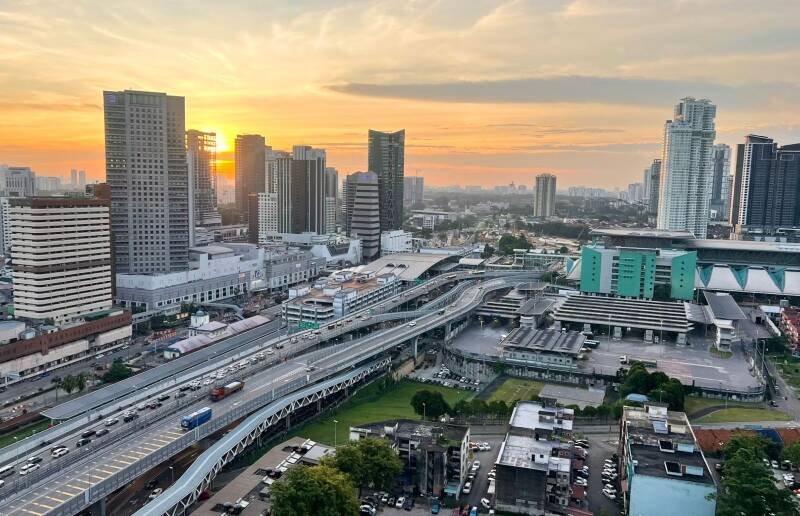
Despite the progress, social media users have voiced concerns about the lack of walkability around the RTS Link stations. Critics point to the presence of complex road networks and "spaghetti junctions" that make pedestrian access difficult and unpleasant. Improving pedestrian and bicycle access is key to making the station usable by all people.
Why This News Matters
The RTS Link is more than just a transportation project; it's a vital link between two countries. It has the potential to transform daily commutes and bolster economic activity. Addressing the walkability concerns is crucial to maximizing the project's benefits for all users, including those who rely on walking or cycling to reach the stations.
If the concerns about walkability are not addressed, the RTS Link might not reach its full potential. Making the area accessible to all members of the public can make the entire project more successful.
Our Analysis
In our opinion, the concerns raised by social media users are valid and deserve serious consideration. While the RTS Link will undoubtedly improve overall connectivity, neglecting pedestrian access could undermine its effectiveness. A truly successful public transport system prioritizes accessibility for all users, regardless of their mode of transportation.
The "spaghetti junctions" mentioned by netizens highlight a potential disconnect between transportation planning and urban design. Integrating the RTS Link stations seamlessly into the surrounding environment is essential to creating a user-friendly and sustainable transportation ecosystem.
Potential Solutions
- Prioritize pedestrian crossings: Implement more pedestrian crossings and ensure they are safe and well-lit.
- Improve sidewalk infrastructure: Upgrade sidewalks to be wider, smoother, and more accessible for people with disabilities.
- Develop dedicated cycling lanes: Create dedicated cycling lanes to encourage bicycle use and provide a safe alternative to driving.
- Enhance public spaces: Develop plazas and parks around the stations to create more inviting and pedestrian-friendly environments.
Future Outlook
The upcoming months present a crucial opportunity to address the walkability issues surrounding the RTS Link. We hope that Malaysian authorities will engage with urban planners, community stakeholders, and public transport experts to identify and implement solutions that prioritize pedestrian and bicycle access.
This could impact ridership if access is difficult. Better walkability can increase the number of users. It's a worthwhile investment to ensure accessibility.
The success of the RTS Link hinges not only on its operational efficiency but also on its ability to seamlessly integrate into the urban fabric of both Singapore and Johor Bahru. By prioritizing walkability and creating pedestrian-friendly environments, we can ensure that the RTS Link truly benefits all members of the community.