AYN Thor and Odin 3 Downgrade Storage: What it Means for Gamers
AYN switches to UFS 3.1 storage on Thor & Odin 3 handhelds due to rising costs. Learn what this means for performance, pricing, and the future of handheld gaming.



AYN switches to UFS 3.1 storage on Thor & Odin 3 handhelds due to rising costs. Learn what this means for performance, pricing, and the future of handheld gaming.
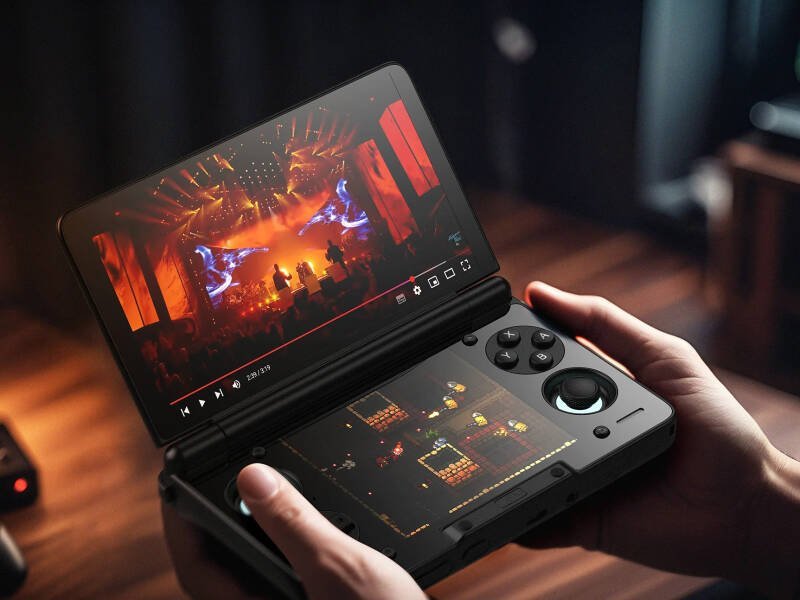
Big news for fans anticipating the AYN Thor and Odin 3 handheld gaming consoles! AYN has announced a key change to the devices' internal storage. Originally planned to feature the faster UFS 4.0 storage, both consoles will now ship with UFS 3.1 storage instead. This decision comes down to one major factor: cost.
AYN stated that the price of UFS 4.0 storage has significantly increased, making it too expensive to include in the Thor and Odin 3 without drastically raising the final retail price. By opting for UFS 3.1, AYN aims to keep the consoles accessible to a wider range of gamers.
UFS stands for Universal Flash Storage, and it's the type of memory used in many modern smartphones and handheld devices. UFS 4.0 is the newer, faster standard, offering significantly improved read and write speeds compared to UFS 3.1. This translates to quicker loading times, faster game installations, and potentially smoother overall performance.
While UFS 4.0 is undoubtedly superior on paper, the real-world impact on gaming may be less dramatic than some might think. Many other factors contribute to game performance, including the CPU, GPU, and overall software optimization. This could be a savvy move by AYN if it allows them to deliver a good experience at a more appealing price.
This decision is important for several reasons:
In our opinion, AYN is making a calculated risk. While some gamers may be disappointed by the downgrade to UFS 3.1, the reality is that most users may not notice a significant difference in day-to-day gameplay. The cost savings could allow AYN to offer the Thor and Odin 3 at a more competitive price, potentially attracting a larger customer base.
However, AYN needs to be transparent about this change and manage expectations effectively. They should clearly communicate the performance differences between UFS 4.0 and UFS 3.1 and demonstrate that the Thor and Odin 3 still offer a compelling gaming experience. Furthermore, if the price point is close to competitor devices, it could make the UFS 3.1 choice a harder pill to swallow.
The decision to switch to UFS 3.1 could impact AYN's brand reputation if not handled correctly. Transparent communication and a competitive price are key to mitigating any potential negative feedback. In the long run, we expect component prices to stabilize, potentially allowing AYN to revisit UFS 4.0 in future iterations of their handheld consoles.
This situation also highlights the importance of diversification in the supply chain for electronics manufacturers. Relying on a single source for key components can make companies vulnerable to price fluctuations and shortages.
Ultimately, the success of the AYN Thor and Odin 3 will depend on a combination of factors, including their performance, price, and the overall user experience. While the UFS 3.1 storage may be a slight compromise, it doesn't necessarily mean the consoles will be significantly inferior to their competitors. Only time will tell how this decision plays out in the market.