AI Car Diagnostics: How Dealerships Use AI to Find Car Problems
Dealerships are using AI to diagnose car problems faster and more accurately. Learn how this new technology works and how it could impact you.
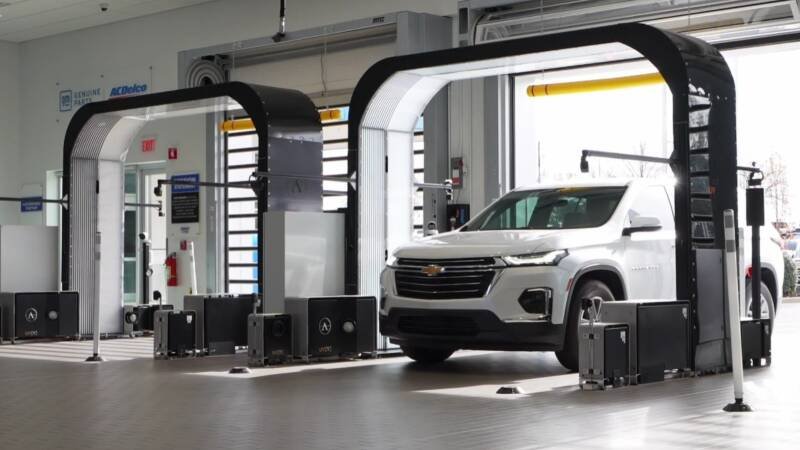



Dealerships are using AI to diagnose car problems faster and more accurately. Learn how this new technology works and how it could impact you.
The automotive industry is constantly evolving, and the latest innovation is the integration of Artificial Intelligence (AI) in vehicle diagnostics. Imagine taking your car to the dealership and having its issues identified quickly and accurately, without even opening the hood. This is becoming a reality thanks to new AI-powered diagnostic tools.
These AI systems work by analyzing vast amounts of data collected from various sensors and systems within the car. This data includes everything from engine performance metrics to information from the car's onboard computer. The AI then compares this data to known patterns of common problems, allowing it to pinpoint potential issues with remarkable speed and precision. In essence, the AI "learns" how different problems manifest in a vehicle's data signature.
The beauty of these systems is that they are constantly learning and improving. As more data is fed into the AI, its diagnostic abilities become even more refined. This leads to fewer misdiagnoses, faster repair times, and ultimately, happier customers.
This shift toward AI-driven diagnostics has significant implications for both consumers and the automotive industry. For car owners, it means:
For dealerships and mechanics, the benefits include:
In our opinion, this is a game-changer for the automotive industry. The ability to quickly and accurately diagnose car problems using AI represents a significant leap forward in vehicle maintenance and repair. While some might worry about the role of human technicians, we believe AI will primarily augment their skills, not replace them. Technicians will still be needed to perform the repairs, but AI will provide them with the insights needed to do so more effectively. This could impact the job market as technicians will have to upskill and learn to work with the AI tools.
The adoption of AI in car diagnostics also raises some important questions about data privacy and security. It's crucial that dealerships and AI providers implement robust security measures to protect the data collected from vehicles. Consumers need to be informed about how their data is being used and have the option to opt-out if they choose.
The future of car diagnostics is undoubtedly intertwined with AI. We expect to see even more sophisticated AI systems emerge in the coming years, capable of diagnosing even the most complex vehicle problems. Furthermore, AI could be integrated with self-driving cars, allowing them to self-diagnose and even self-repair minor issues. As vehicles become more connected and data-rich, the potential applications of AI in car diagnostics will only continue to grow.
Ultimately, the integration of AI in car diagnostics promises to create a more efficient, accurate, and convenient experience for both car owners and the automotive industry as a whole. As the technology matures and becomes more widespread, we can expect to see even greater benefits in the years to come.