Cyprus Journalist Bot Attacks: Who's Behind Them & Why It Matters
A high-ranking Turkish Cypriot politician hints at the source of recent bot attacks targeting Cypriot journalists. We analyze the implications and future outlook.
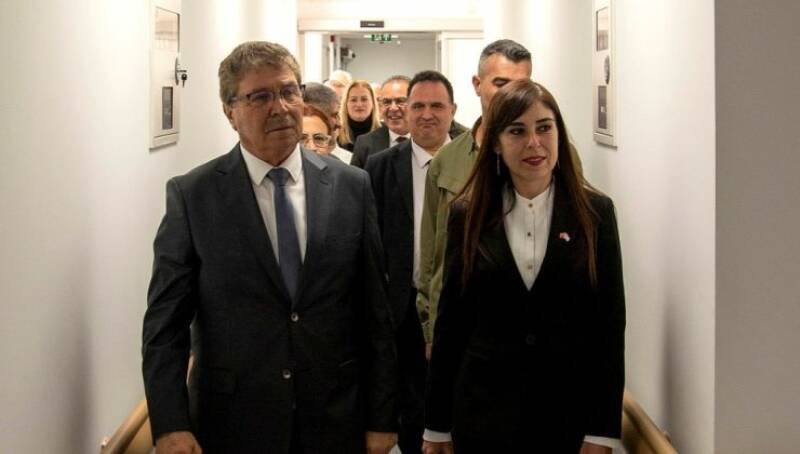



A high-ranking Turkish Cypriot politician hints at the source of recent bot attacks targeting Cypriot journalists. We analyze the implications and future outlook.
Recent bot attacks targeting journalists and news outlets in Cyprus have sparked concern about press freedom and the spread of disinformation. Izlem Gurcag Altugra, a prominent figure in the largest party of the Turkish Cypriot ruling coalition, the UBP, has suggested that the source of these attacks is "not hard to guess." This statement has fueled speculation and debate about potential political interference in the media landscape of the island.
Over the past few weeks, several journalists and news organizations in Cyprus have experienced a surge in bot activity on their social media accounts. This includes fake accounts flooding comment sections with spam and coordinated efforts to amplify certain narratives while suppressing others. Such attacks can drown out legitimate voices, spread misinformation, and create a hostile environment for journalists.
Altugra's comment, made publicly on Thursday, implied that the attacks are likely orchestrated by a specific entity, although she didn't explicitly name names. The ambiguity of her statement has only amplified the suspicion and mistrust surrounding the situation.
This situation is significant for several reasons:
In our opinion, Altugra's statement is a calculated move designed to send a message, even without directly pointing fingers. The implication is clear: someone powerful is unhappy with the reporting of certain journalists and is willing to resort to underhanded tactics to silence them.
It is important to remember that Cyprus has a complex political landscape, with a long history of division and conflict. The relationship between Greek Cypriots and Turkish Cypriots remains strained, and there are often competing narratives about events on the island. This environment makes the media particularly vulnerable to manipulation.
The lack of concrete evidence makes it difficult to definitively identify the perpetrators of these bot attacks. However, the timing and nature of the attacks suggest a deliberate attempt to influence public opinion and undermine the credibility of independent journalism. This could impact trust and transparency in the media.
The future outlook for press freedom in Cyprus remains uncertain. If the perpetrators of these bot attacks are not identified and held accountable, it could embolden others to engage in similar tactics. It is crucial that authorities investigate these incidents thoroughly and take steps to protect journalists from online harassment and intimidation.
Moving forward, media literacy initiatives will be essential to help the public distinguish between credible sources of information and disinformation. Additionally, social media platforms need to take greater responsibility for identifying and removing bot accounts that are used to spread propaganda and harass journalists. We believe that more transparency is needed.
Furthermore, international organizations dedicated to press freedom should monitor the situation in Cyprus closely and provide support to journalists who are facing threats and attacks. The international community can play a vital role in ensuring that journalists are able to report freely and without fear of reprisal.
























