Measuring Bad Smells: Citizen Science Tackles Odor Pollution
Learn how citizen science is helping to measure and combat odor pollution, from rotten eggs to cabbage soup, and why this matters for public health and regulation.



Learn how citizen science is helping to measure and combat odor pollution, from rotten eggs to cabbage soup, and why this matters for public health and regulation.
Have you ever been overwhelmed by a foul odor that just wouldn't go away? Many people experience this every day, and it's not just unpleasant – it's a form of pollution. Odor pollution, caused by things like industrial processes, agriculture, and sewage treatment, can seriously impact quality of life. A growing movement, fueled by citizen science, is now tackling this problem head-on, particularly in countries like Spain where odor regulations are lagging.
Unlike other pollutants that can be easily measured with instruments, odors are subjective and complex. What one person finds offensive, another might barely notice. Furthermore, the intensity and nature of an odor can change rapidly depending on weather conditions and distance from the source. This makes traditional monitoring methods inadequate. This is where citizen science comes in.
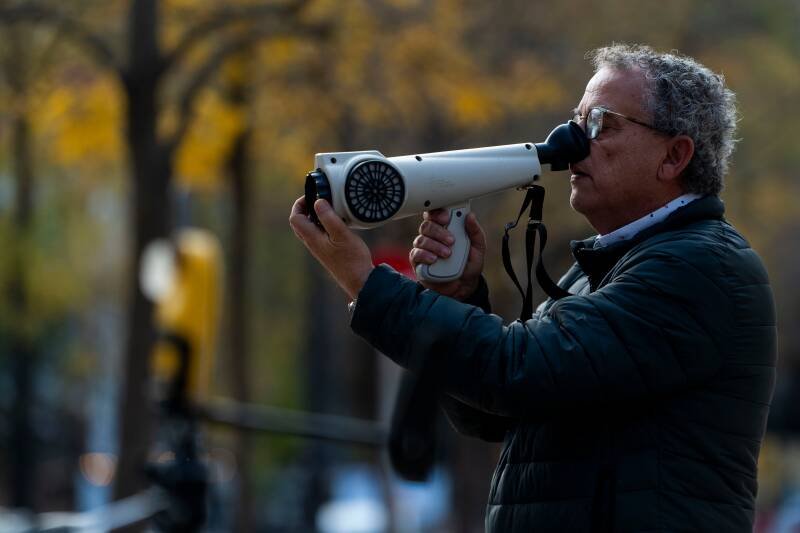
Citizen science projects are empowering ordinary people to collect data about the odors they experience in their communities. These projects often involve using specially designed apps or questionnaires to record the type, intensity, and location of odors. By gathering data from a large number of people over time, researchers can create a comprehensive picture of odor pollution patterns. The information is then used to pressure companies and advocate for better odor controls.
One common methodology involves simple scent diaries. Volunteers note the time, location, intensity, and description of any offensive odors they encounter. They may also note the wind direction and weather conditions. This data, when aggregated, can reveal patterns and pinpoint the sources of the most problematic odors. Some citizen scientists are going even further, using DIY air sampling devices to collect odor samples for laboratory analysis.
Odor pollution is more than just a nuisance; it can have real health consequences. Studies have linked exposure to bad odors to increased stress, anxiety, headaches, nausea, and respiratory problems. Furthermore, persistent odor pollution can devalue property and damage local economies. When people can't enjoy being outside or even open their windows, the quality of life in their community suffers significantly. Addressing odor pollution is therefore crucial for protecting public health, promoting environmental justice, and ensuring a sustainable future.
In our opinion, the rise of citizen science in odor monitoring is a positive development. It empowers communities to take action and hold polluters accountable. The lack of regulation in many areas concerning odors highlights the need for more scientific and technological tools that the community can deploy. The subjective nature of smell has long been a challenge for effective regulation, but with enough data and the ability to pinpoint the sources, this can be challenged. The data collected through citizen science initiatives can be used to create more effective odor management plans and inform policy decisions. Without this pressure from citizens, governments are likely to continue prioritizing economic growth over environmental protection.
The future of odor monitoring likely involves a combination of citizen science, sensor technology, and data analytics. As air quality sensors become more affordable and readily available, they can be integrated with citizen science data to provide a more comprehensive understanding of odor pollution. Advances in artificial intelligence can also be used to analyze odor data and identify patterns that might not be apparent to human observers.
This could impact the ways businesses run. We believe that businesses producing malodors will likely face increasing pressure to reduce their emissions and adopt cleaner technologies. Stronger regulations and enforcement mechanisms will be needed to ensure that all communities have clean air and the right to live without being subjected to offensive odors. As awareness grows, we expect more communities to adopt citizen science approaches and demand greater accountability from polluters. The challenge will be scaling these citizen-led efforts and integrating them into mainstream environmental monitoring programs.
























