Kanimozhi Slams NEET: A Deep Dive into the Dravidian Model and its Implications
DMK MP Kanimozhi criticizes the central government's NEET exam and advocates for the "Dravidian model." Understand the controversy, its impact, and future implications.



DMK MP Kanimozhi criticizes the central government's NEET exam and advocates for the "Dravidian model." Understand the controversy, its impact, and future implications.
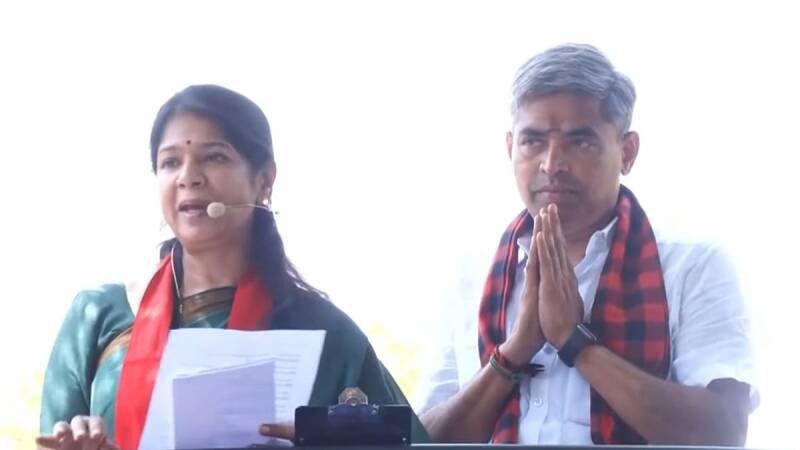
DMK MP Kanimozhi recently voiced strong criticism against the National Eligibility cum Entrance Test (NEET), the standardized entrance exam for medical colleges in India. Her remarks not only highlight ongoing concerns about NEET's fairness but also promote the "Dravidian model" of governance as a potential solution. This has sparked considerable debate and warrants a closer look.
Kanimozhi didn't just casually mention her disapproval of NEET. She actively urged the public to support the Dravidian model. She sees it as a key alternative, one that can address what she perceives as systemic flaws in the current national examination system. Her emphasis suggests a belief that the Dravidian model offers a more equitable approach to education and opportunity.
The NEET exam has been a persistent source of controversy, particularly in Tamil Nadu. Concerns revolve around the perceived disadvantage it creates for students from economically weaker sections and rural backgrounds. Many believe it favors those with access to expensive coaching, creating an unequal playing field. This has led to calls for alternatives that ensure social justice and equal opportunities.
Kanimozhi's statement is significant because it throws into sharp relief the ongoing tensions between the central government's policies and the aspirations of regional governments, especially in Tamil Nadu. The "Dravidian model," often associated with social justice, inclusive growth, and state autonomy, is presented as a counter-narrative to what is viewed as centralized control and potentially inequitable policies.
In our opinion, Kanimozhi's criticism of NEET isn't merely political rhetoric. It reflects genuine concerns about fairness and accessibility within the education system. The debate surrounding NEET isn't just about an exam; it's about the fundamental principles of equity and social justice.
The "Dravidian model," while not a strictly defined concept, generally emphasizes social reforms, welfare programs, and a focus on the upliftment of marginalized communities. Kanimozhi's linking of this model to the NEET issue suggests a belief that regional governance, with its unique understanding of local needs, can offer a more effective and equitable approach to education policy.
The central government's perspective, on the other hand, often emphasizes standardization and meritocracy. They argue that NEET ensures a uniform standard for medical education across the country and reduces corruption in admissions. The challenge lies in finding a balance between these competing viewpoints.
This situation is unlikely to resolve quickly. Expect continued debate and potential legal challenges surrounding NEET. The Tamil Nadu government may explore alternative admission processes or seek exemptions from NEET for the state, further intensifying the conflict with the central government.
This could impact students significantly. Uncertainty surrounding NEET can create anxiety and pressure. It also highlights the need for comprehensive reforms in the education system that address inequalities at the grassroots level. It is crucial to ensure every student has the opportunity to succeed, regardless of their socio-economic background.
Ultimately, the future will depend on the willingness of both the central and state governments to engage in constructive dialogue and find common ground. A solution that addresses the concerns of fairness and accessibility, while maintaining quality standards in medical education, is essential for the well-being of future doctors and the healthcare system as a whole. It is also essential to respect state autonomy while ensuring standardized medical standards.