Influencer Banned from St. Paul Parks: Examining the Controversy and its Implications
A popular social media influencer is banned from St. Paul parks amid allegations of harassing homeless individuals. We delve into the controversy, its significance, and the potential impact on content creation and public perception.
Influencer Banned from St. Paul Parks Over Alleged Harassment
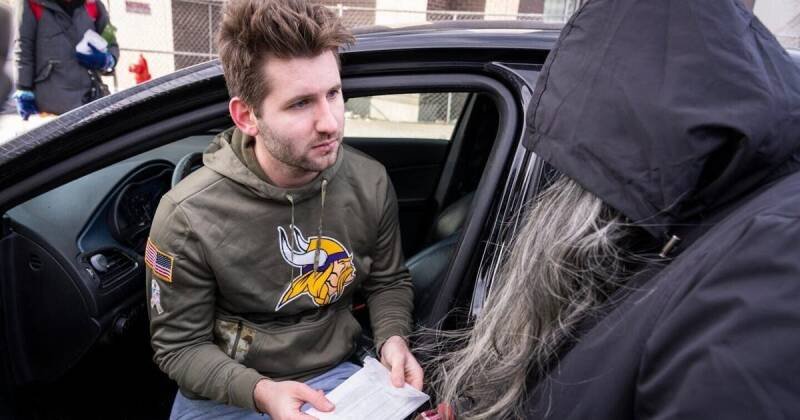
A social media influencer known for his "acts of kindness" videos has been banned from St. Paul parks following accusations of harassing homeless individuals. The ban, officially communicated by St. Paul Parks and Recreation Director Andy Rodriguez in a letter dated April 6th, has ignited a firestorm of debate about the ethics of online content creation and the potential exploitation of vulnerable populations.
The Allegations
Details surrounding the specific incidents that led to the ban remain somewhat unclear. However, it is alleged that the influencer’s interactions with homeless individuals within St. Paul parks went beyond simple acts of kindness and ventured into the territory of harassment and exploitation for the sake of content. This included, allegedly, filming individuals without their consent or using them as props for manufactured scenarios of generosity.
Official Response
The St. Paul Parks and Recreation Department has remained tight-lipped, citing privacy concerns. However, the decision to ban the influencer underscores the seriousness with which they are taking the allegations. The department has made it clear that it will not tolerate the exploitation or harassment of individuals within its park system, regardless of social media fame.
Why This News Matters
This situation has significant implications, going beyond just one influencer and one city. It highlights the growing tension between the pursuit of viral content and the ethical responsibilities that come with a large online following.
This case serves as a crucial reminder that authenticity and respect must be at the core of content creation, especially when dealing with vulnerable populations. It also pushes authorities to develop clear guidelines and regulations regarding filming and interacting with individuals in public spaces, particularly when it comes to sensitive situations.
Our Analysis
In our opinion, this incident reveals a troubling trend in social media: the commodification of kindness. The pressure to generate engaging content can incentivize influencers to prioritize views and likes over genuine compassion and respect for the individuals they feature.
The ban imposed by St. Paul Parks sends a strong message that such behavior will not be tolerated. It also raises important questions about the responsibility of social media platforms to monitor content and hold creators accountable for their actions.
This could impact how social media companies create policies and how influencers act online. We will need to see how this evolves.
Ethical Considerations
The core issue at stake is the ethical obligation influencers have towards the people they feature in their content. Are they obtaining informed consent? Are they truly benefiting the individuals they claim to be helping, or are they simply using them for personal gain? These are questions that every content creator should be asking themselves.
The Role of Social Media Platforms
Social media platforms also have a role to play in addressing this issue. They need to develop clear policies regarding the exploitation of vulnerable populations and enforce those policies effectively. This may involve implementing stricter content moderation practices and providing resources to help creators understand their ethical responsibilities.
Future Outlook
The long-term impact of this incident remains to be seen. However, it is likely to spark further debate about the ethics of social media influence and the need for greater accountability.
Potential Changes in Regulations
We anticipate that this case could prompt local and national lawmakers to consider developing new regulations regarding filming in public spaces, particularly when it involves vulnerable populations. These regulations could require individuals to obtain consent before filming and impose penalties for harassment or exploitation.
Impact on Influencer Culture
This situation could also lead to a shift in influencer culture, with a greater emphasis on authenticity and ethical content creation. Consumers are becoming increasingly aware of the potential for exploitation on social media, and they are more likely to support creators who demonstrate genuine compassion and respect. This could impact influencers bottom lines who don't adapt.
Ultimately, this incident serves as a wake-up call for the social media industry. It is a reminder that influence comes with responsibility, and that the pursuit of viral fame should never come at the expense of human dignity.