Auburn Police Flock License Plate Readers: What You Need to Know
Learn about Auburn Police Department's contract with Flock Safety for license plate readers, including key details, implications, and future outlook.



Learn about Auburn Police Department's contract with Flock Safety for license plate readers, including key details, implications, and future outlook.
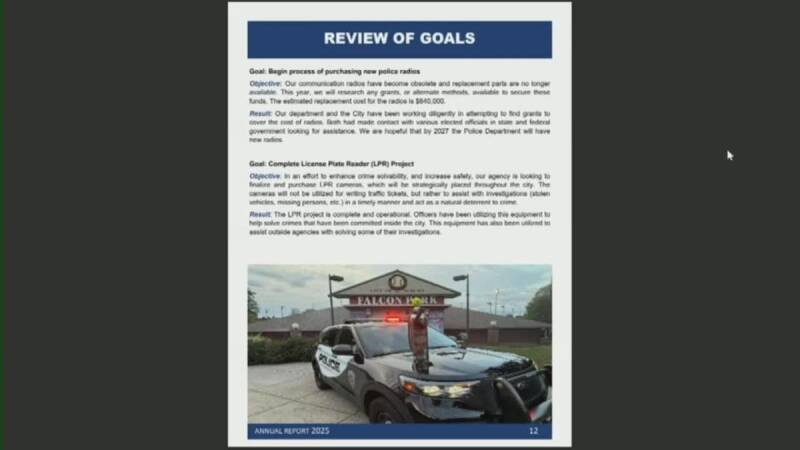
The Auburn Police Department (APD) recently formalized an agreement with Flock Safety, a company specializing in automated license plate reader (ALPR) technology. This deal brings ALPRs to Auburn, sparking conversations about public safety, data privacy, and the future of policing. Let's break down the key elements of this contract and explore what it means for the community.
ALPRs are essentially cameras equipped with advanced software. They automatically capture images of license plates and convert them into readable data. This data, including the date, time, and location, is then stored in a database. Law enforcement agencies use ALPR data to investigate crimes, track vehicles of interest, and locate missing persons.
The contract between APD and Flock Safety outlines the terms of the ALPR deployment. Here are five important aspects to consider:
The deployment of ALPR technology in Auburn is a significant development. It has the potential to enhance law enforcement capabilities and improve public safety by aiding in investigations and potentially deterring crime. However, it also raises legitimate concerns about privacy, data security, and the potential for misuse. Citizens need to be aware of how this technology works, how their data is being used, and what safeguards are in place to protect their rights. Furthermore, the contract details determine the actual limitations and oversight in place. Open access to these details helps the community hold their government accountable.
In our opinion, the success of this program hinges on transparency and accountability. The APD must be proactive in communicating the benefits and limitations of the ALPR system to the public. Strong data governance policies and robust security measures are essential to maintain public trust. The length of the data retention and limitations on which crimes can be investigated using this data need to be carefully considered. If these matters aren't clear, there's potential for abuse and erosion of the public's faith in local government. The APD should actively engage with the community to address concerns and ensure that the ALPR program is implemented responsibly.
The use of ALPR technology is likely to expand in the future, both in Auburn and across the country. As the technology evolves, it's crucial to have ongoing discussions about data privacy, ethical considerations, and the appropriate balance between public safety and individual liberties. We anticipate increased scrutiny of law enforcement's use of ALPR data and growing calls for stricter regulations. This could impact the way ALPR data is stored, shared, and used in investigations. Continuous monitoring and evaluation of the program's effectiveness, impact on crime rates, and any reported complaints is also important. These data points will provide a clear picture of the impact of ALPR technology on Auburn.