Xcel Energy's Virtual Power Plant: What It Is & Why It Matters
Xcel Energy is building a virtual power plant in Minnesota. Learn what it is, how it works, why it's causing controversy, and what the future holds for virtual power plants.
Xcel Energy Building a Virtual Power Plant in Minnesota: A Simple Explanation
Xcel Energy, a major utility company, is set to launch a pilot project to build a virtual power plant (VPP) in Minnesota. The Minnesota Public Utilities Commission recently approved this project, putting Minnesota on the map with about two dozen other states already exploring or using this technology. But what exactly *is* a virtual power plant, and why is it sparking debate? Let's break it down.
What is a Virtual Power Plant (VPP)?
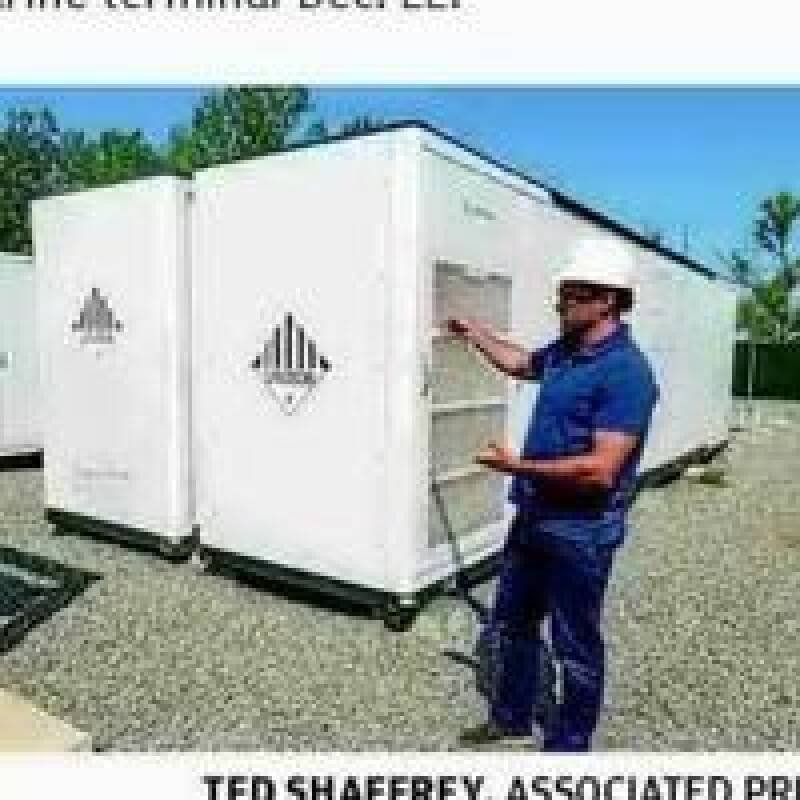
Imagine a power plant that doesn't have a physical building full of turbines and generators. Instead, a VPP is a network of smaller, distributed energy resources that are linked together using smart technology. These resources can include:
* **Solar panels:** Rooftop solar and community solar gardens.
* **Wind turbines:** Smaller, localized wind energy generation.
* **Battery storage:** Home batteries and larger grid-scale batteries.
* **Smart thermostats:** Devices that can automatically adjust heating and cooling based on energy demand.
* **Electric vehicles (EVs):** EVs and their charging systems can contribute to the grid.
* **Controllable loads:** Appliances or industrial equipment that can have their energy use adjusted.
These resources are all connected and controlled by a central software platform. This platform uses sophisticated algorithms to predict energy demand and optimize the use of these distributed resources. Think of it as a conductor leading an orchestra of energy devices, ensuring that the right amount of power is available when and where it's needed.
How Does it Work?
The VPP aggregates these scattered energy resources and manages them as a single unit, just like a traditional power plant. When demand for electricity is high, the VPP can draw power from batteries, reduce load by adjusting smart thermostats, or even use EVs to feed energy back into the grid (vehicle-to-grid technology). When demand is low, the VPP can store excess energy in batteries.
Why This News Matters
This project is significant for several reasons:
* **Increased Grid Reliability:** VPPs can help stabilize the power grid by providing flexible resources to meet fluctuating demand.
* **Greater Use of Renewable Energy:** VPPs can integrate more solar and wind power into the grid, which are intermittent resources, meaning that power output varies based on time of day and weather. By using batteries and demand response to offset these fluctuations, VPPs make renewable energy more reliable.
* **Cost Savings for Consumers:** In theory, VPPs can lower energy costs by reducing the need for expensive traditional power plants, especially during peak demand periods.
* **Environmental Benefits:** VPPs can help reduce reliance on fossil fuels, leading to lower greenhouse gas emissions.
Our Analysis
In our opinion, Xcel Energy's VPP pilot project is a positive step towards a more sustainable and resilient energy future for Minnesota. The technology has the potential to unlock significant benefits for both consumers and the environment. However, the devil is in the details. The success of the VPP will depend on several factors, including:
* **Effective Software Platform:** The control software must be reliable and capable of accurately predicting energy demand and optimizing the use of distributed resources.
* **Consumer Participation:** Getting enough consumers to participate in demand response programs is crucial. People need to be incentivized to allow their smart devices and appliances to be controlled by the VPP.
* **Cybersecurity:** VPPs are vulnerable to cyberattacks. Robust cybersecurity measures are essential to protect the grid from disruption.
* **Fair Compensation:** Consumers and owners of distributed energy resources need to be fairly compensated for their participation in the VPP.
The article mentions that some people are angry. This could stem from concerns about privacy (allowing the utility to control your thermostat), potential for increased costs (if incentives aren't structured properly), or distrust of the utility company itself. Addressing these concerns transparently and proactively is key to gaining public support for the VPP.
Future Outlook
The future of VPPs looks bright. As technology improves and the cost of renewable energy and battery storage continues to fall, VPPs are likely to become an increasingly important part of the energy landscape. This could impact:
* **Grid modernization:** VPPs are a key component of a smarter, more flexible, and more resilient grid.
* **Distributed generation:** VPPs will help accelerate the adoption of distributed energy resources like solar and battery storage.
* **Energy markets:** VPPs could disrupt traditional energy markets by creating new opportunities for consumers and aggregators to participate in the grid.
* **Policy and Regulation:** Expect to see more state and federal policies supporting the development and deployment of VPPs.
The Xcel Energy pilot project will provide valuable insights into the potential of VPPs. If successful, it could serve as a model for other utilities across the country. As more VPPs come online, we can expect to see a more decentralized, resilient, and sustainable energy system.