Jurong Island Power Plant: Coral Impact Study Sparks Debate
A new study suggests a Jurong Island power plant may not be harming nearby corals. However, experts question the study's methods and raise concerns about potential impacts from discharge.
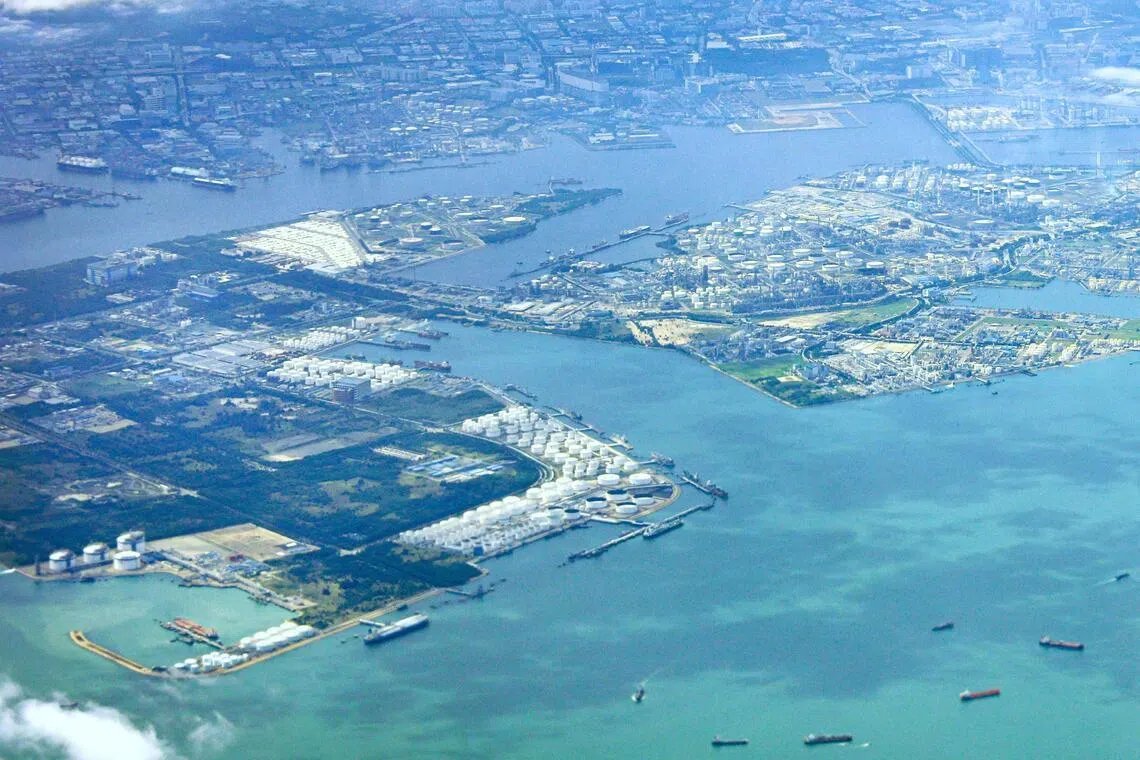



A new study suggests a Jurong Island power plant may not be harming nearby corals. However, experts question the study's methods and raise concerns about potential impacts from discharge.
A recent study examining the effects of a power plant on Jurong Island, Singapore, suggests the plant might not be significantly impacting nearby coral reefs. However, the study's findings are drawing scrutiny from experts who question the methodology used to reach these conclusions.
The core finding of the study is that the power plant's operations do not appear to be causing major damage to the coral ecosystems in the immediate vicinity. This is significant because industrial activity and marine life often exist in close proximity in Singapore, requiring careful management to minimize environmental damage. The study, if accurate, could provide reassurance about the power plant's current operational practices.
Despite the positive findings, concerns have been raised regarding the methods employed in the study. It is crucial to evaluate the scientific rigor of any environmental impact assessment to ensure its reliability. Questioning the methodology allows for deeper investigation and validation of the results, leading to more informed environmental management decisions.
The study identified two primary potential sources of marine impact: discharge and stormwater runoff. These represent the main ways the power plant could affect the surrounding marine environment.
Power plants often use seawater for cooling purposes. After circulating through the plant, this water is discharged back into the ocean. The main concern with this process is the temperature difference between the discharged water and the ambient seawater. A sudden change in water temperature can stress or even kill marine organisms, including corals. This thermal pollution can impact the reef's health and overall biodiversity.
Stormwater runoff from industrial sites can carry pollutants into the marine environment. Rainwater flowing over surfaces can pick up contaminants like oil, chemicals, and sediment. These pollutants can then flow into the sea, potentially harming marine life and degrading water quality. The presence of such pollutants can inhibit coral growth, disrupt their reproductive cycles, and increase their susceptibility to diseases.
The debate surrounding this study highlights the complexities of balancing industrial development and environmental protection. Jurong Island is a major industrial hub in Singapore, and it is vital to carefully manage the environmental impact of its operations.
Further investigation and monitoring may be required to address the concerns raised and to ensure the long-term health of the coral reefs near Jurong Island. This could involve more detailed studies of the water quality, coral health, and the effects of discharge and runoff. A robust understanding of these factors is essential for effective environmental management and the sustainable coexistence of industry and marine ecosystems.