How a Camera Without a Viewfinder Can Improve Your Portrait Photography
Discover how shooting portraits with a camera lacking a viewfinder, like the Sigma BF, can change your approach to photography and lead to more engaging images. We analyze the pros and cons and discuss the future of this unique technique.
How a Camera Without a Viewfinder Can Improve Your Portrait Photography
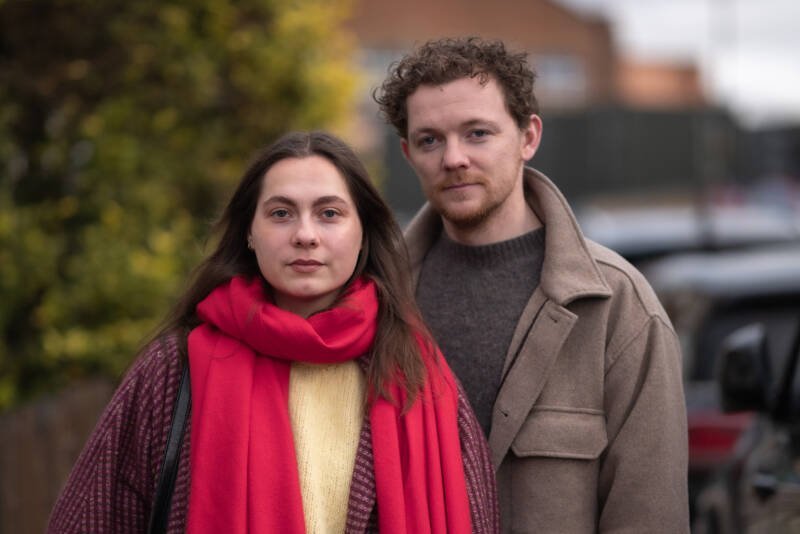
Gabrielle Motola, a seasoned photographer, is showcasing a new exhibition featuring portraits taken with a rather unconventional tool: the Sigma BF, a camera devoid of a traditional viewfinder. This might seem counterintuitive, but Motola's experience highlights how limitations can sometimes unlock new levels of creativity and improve your photographic skills.
The Challenge of No Viewfinder
For most photographers, a viewfinder is essential. It provides a direct view of what the camera sees, allowing for precise framing and composition. However, the Sigma BF forces you to abandon this reliance. You're essentially shooting blind, relying on instinct, experience, and a different kind of visual awareness.
The Benefits of Shooting Blind
According to Motola, this constraint has several surprising benefits:
- Enhanced Connection with the Subject: Without a viewfinder, the photographer is more present and engaged with the subject. This direct interaction can lead to more natural and authentic portraits.
- Improved Composition Skills: You're forced to think more consciously about composition, relying on learned principles and spatial awareness rather than solely on what you see through the lens. You have to visualize the frame in your mind, rather than just see it.
- Increased Spontaneity: The lack of a viewfinder encourages faster shooting. You're less likely to overthink each shot, leading to more spontaneous and dynamic images. This is particularly useful for street photography and capturing fleeting moments.
- Break from Routine: Using unfamiliar equipment can break you out of creative ruts and force you to approach photography from a fresh perspective.
Why This News Matters
This isn't just about one photographer's choice of camera. It's a valuable lesson for all photographers, regardless of their skill level. It highlights the importance of experimenting with different approaches and challenging conventional wisdom. The story demonstrates that limitations can be a powerful catalyst for creativity. By stepping outside of your comfort zone and embracing constraints, you can discover new ways to see the world and improve your photographic eye.
Our Analysis
In our opinion, the success of using a viewfinderless camera hinges on a solid foundation of photographic knowledge. You need to understand composition, exposure, and focusing techniques *before* you strip away the tools that make those easier. It's like learning to drive a stick shift – it's much easier if you already know how to drive an automatic. The Sigma BF isn't a magic bullet for better portraits, but a training tool for honing pre-visualization and subject interaction skills. This could impact the way beginner photographers learn composition.
The focus shift from technical perfection to human connection is significant. In a world obsessed with megapixels and razor-sharp focus, Motola's work reminds us that the most compelling portraits are often those that capture genuine emotion and personality, even if they're not technically flawless.
Future Outlook
While viewfinderless cameras might not become the mainstream choice for portrait photography, we believe that the lessons learned from this technique will have a lasting impact. Camera manufacturers might consider incorporating "viewfinder-less modes" or features into their existing cameras, allowing photographers to experiment with this approach without needing a dedicated camera. This could lead to a resurgence in interest in manual shooting and a greater emphasis on the artistic process.
Furthermore, as computational photography advances, we might see cameras that can assist in composition and framing even without a viewfinder, using AI to suggest optimal settings and angles. This could open up even more possibilities for creative experimentation and allow photographers to focus on capturing the moment rather than getting bogged down in technical details.
Ultimately, the story of Gabrielle Motola and the Sigma BF is a testament to the power of human ingenuity and the enduring appeal of creative exploration. It encourages us to question our assumptions, embrace challenges, and find new ways to express ourselves through the art of photography.