Gas Tax Cut: Will it Really Help Canadians? An In-Depth Analysis
The Canadian government is cutting the gas tax. But will it actually make a difference for consumers? We break down the details and offer our expert analysis.
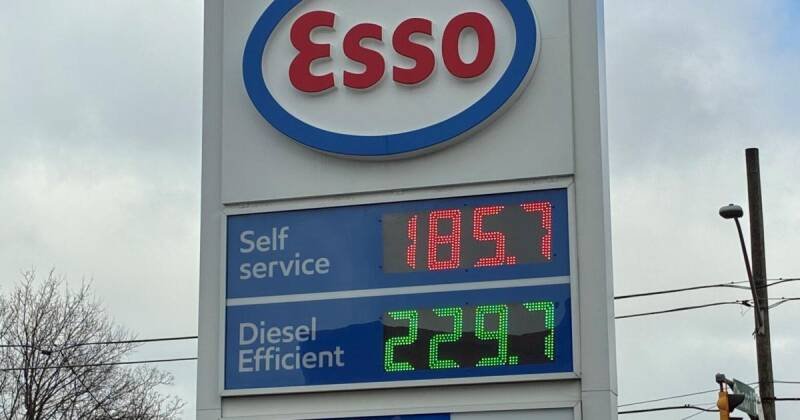



The Canadian government is cutting the gas tax. But will it actually make a difference for consumers? We break down the details and offer our expert analysis.
Facing growing pressure over rising inflation and the high cost of living, the federal Liberal government has announced a temporary cut to the federal excise tax on gasoline and diesel. Starting Monday and lasting until Labour Day, the government will eliminate the 10-cent-per-litre tax on gasoline and the 4-cent-per-litre tax on diesel.
The goal is clear: to provide Canadians with some much-needed relief at the pumps. The government hopes that this temporary tax break will ease the financial burden on individuals and businesses struggling with high fuel costs. But will it be enough?
This tax cut directly impacts every Canadian who drives a car or relies on goods transported by trucks. High gas prices contribute to overall inflation, impacting everything from groceries to transportation. Whether this initiative succeeds in providing real relief is a critical question for both consumers and the Canadian economy.
It's not just about the cost of filling up your car. Higher transportation costs also increase the price of goods and services. If successful, this tax cut could alleviate some of that pressure. If it fails, Canadians will continue to struggle with rising costs.
While any relief at the pump is welcome, the effectiveness of this temporary tax cut is debatable. Several factors could limit its impact. First, the reduction is temporary, lasting only until Labour Day. This means consumers can expect gas prices to jump again in September. Long-term solutions are preferable to short-term fixes.
Secondly, the global price of oil plays a significant role in determining gas prices. If global oil prices continue to rise, the 10-cent tax cut might be offset, leaving consumers with little noticeable difference. In our opinion, the cut might be a drop in the bucket compared to the global factors driving prices.
Finally, there's the question of whether gas stations will fully pass on the savings to consumers. There's no guarantee that retailers won't simply absorb some of the tax cut as increased profit. We feel monitoring mechanisms are needed to ensure the tax break benefits consumers as intended.
The future impact of this gas tax cut remains uncertain. Much depends on global oil prices, the behaviour of gas retailers, and broader economic trends. It's possible that this measure will provide a brief respite from high gas prices, but it's unlikely to be a long-term solution.
Going forward, we expect discussions about carbon taxes and energy policy to intensify. This tax cut is a band-aid solution. Canada needs to address the long-term challenges of energy affordability and environmental sustainability. The government needs to consider other options to tackle energy affordability, such as investing in renewable energy sources and public transportation. This could impact Canada's ability to reach its climate goals.
Ultimately, the success of this initiative will be judged by whether it provides meaningful and noticeable relief to Canadian consumers. Only time will tell if this gas tax holiday delivers on its promise.