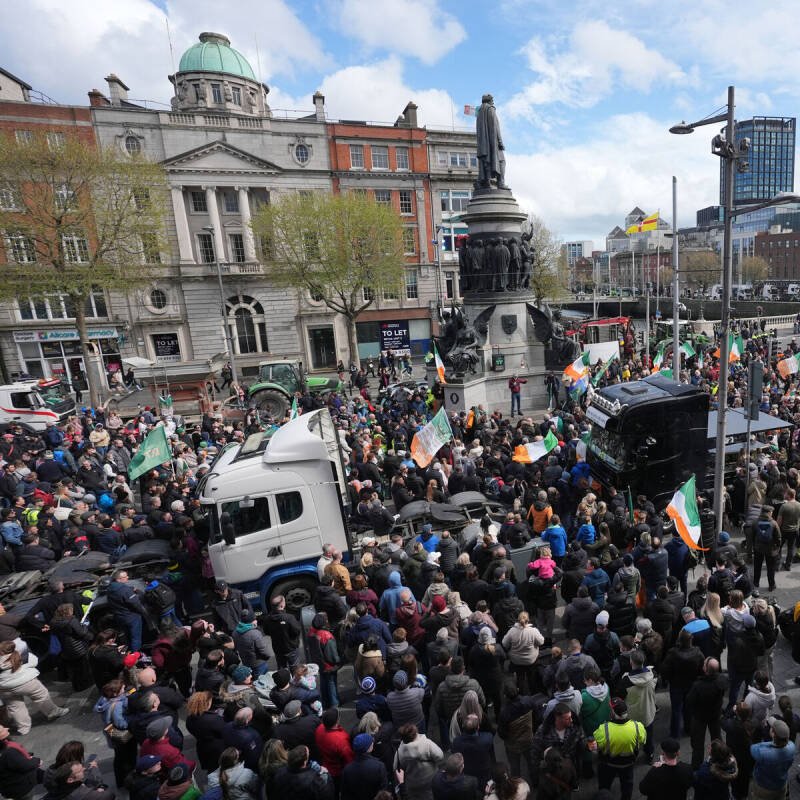
Fuel Protests Disrupt Dublin: Emergency Cabinet Meeting Called
Fuel protests in Dublin's O'Connell Street lead to arrests and an emergency Cabinet meeting. We break down the situation, its implications, and what the future might hold for fuel prices in Ireland.
Fuel Protests Disrupt Dublin, Emergency Cabinet Meeting Scheduled
Protests demanding government action on rising fuel costs intensified in Dublin over the weekend, culminating in Gardai clearing O'Connell Street on Sunday. The demonstrations, which have stretched into their sixth consecutive day, are fueled by concerns that unsustainable fuel prices are crippling businesses and putting immense pressure on individuals.
The Protests: A Cry for Relief
Spokespersons for the protesters are urgently calling on the government to intervene and alleviate the financial burden caused by soaring fuel costs. They argue that current prices are simply not sustainable for many businesses and families across Ireland.
Gardai Intervention and Arrests
As the protests continued to disrupt traffic and business in the city center, Gardai moved to clear O'Connell Street. While details are still emerging, it's understood that several arrests were made during the operation. The Gardai's priority was to restore order and ensure the safety of both protesters and the public.
Why This News Matters
This isn't just about a few days of disruption in Dublin. These protests are a symptom of a much larger problem: the escalating cost of living crisis. Rising fuel prices directly impact transportation costs, the price of goods, and even heating bills. If left unchecked, this could lead to:
- Increased business closures, particularly for small businesses reliant on transportation.
- Higher prices for consumers on essential goods and services.
- Financial hardship for individuals and families already struggling to make ends meet.
- Social unrest and further protests.
Our Analysis
The government's response to these protests will be critical. Simply ignoring the issue is not an option. People are genuinely struggling, and their voices need to be heard.
In our opinion, a multi-faceted approach is necessary. This could include:
- Temporary reductions in fuel taxes.
- Subsidies for businesses heavily reliant on fuel.
- Investment in renewable energy sources to reduce long-term dependence on fossil fuels.
- Increased social welfare support for vulnerable individuals and families.
The emergency Cabinet meeting suggests the government recognizes the gravity of the situation. However, the effectiveness of their response remains to be seen.
Future Outlook
The future of fuel prices in Ireland is uncertain, and a number of factors will play a role:
- Global Oil Prices: Geopolitical events and supply chain disruptions will continue to influence the price of crude oil.
- Government Policy: The government's decisions regarding taxation, subsidies, and energy policy will have a significant impact.
- The Transition to Renewable Energy: Ireland's progress in transitioning to renewable energy sources will determine its long-term energy independence and price stability.
This could impact the upcoming budget decisions as the government will need to balance the pressures of short-term relief with longer-term strategic investments. It is also likely that this fuel crisis will embolden other protest groups to voice their concerns on the cost of living. Monitoring the government's response and its effectiveness will be paramount in the coming weeks.
Ultimately, the protests in Dublin are a clear indication that the cost of living crisis is reaching a boiling point. Addressing this issue effectively will require bold action and a long-term vision for a sustainable and affordable future.