Lizard Island Tragedy: Unanswered Questions Surround Tourist Death
Explore the tragic death of Suzanne Rees on Lizard Island. We delve into the unanswered questions, the final text message, and the potential implications for tourism safety.
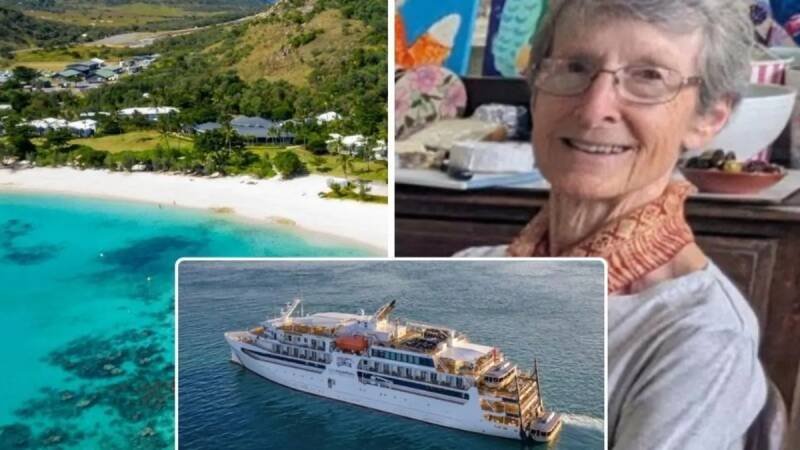



Explore the tragic death of Suzanne Rees on Lizard Island. We delve into the unanswered questions, the final text message, and the potential implications for tourism safety.
The remote beauty of Lizard Island, a jewel in the Great Barrier Reef, has been overshadowed by tragedy. Suzanne Rees, a tourist visiting the island, was found dead, leaving her family with a painful void and a barrage of unanswered questions. This case highlights the potential dangers of remote travel and raises serious concerns about the duty of care owed to tourists.
The last known communication from Suzanne Rees was a text message to her daughter. While the exact content hasn't been publicly disclosed in full detail, reports indicate it expressed concern and perhaps a sense of abandonment. This final message adds a layer of heartbreak to the already devastating situation, suggesting Rees may have felt vulnerable in her final moments.
Details surrounding Rees' death remain murky. She was reportedly left behind on the island, and the exact circumstances leading to her death are still under investigation. This raises significant questions about the level of supervision and safety precautions in place for tourists visiting Lizard Island. Was there a headcount? Was there adequate communication and emergency planning? These are the questions investigators will need to address.
This tragedy serves as a stark reminder of the importance of safety in tourism, especially in remote and challenging environments. It underscores the need for tour operators and travel providers to prioritize the well-being of their clients and ensure robust safety protocols are in place. Failure to do so can have devastating consequences, as tragically illustrated by the death of Suzanne Rees.
Furthermore, this case could have broader implications for the tourism industry in Queensland and Australia as a whole. If negligence is proven, it could lead to stricter regulations and increased scrutiny of safety standards for remote tourism operations. This is paramount to preventing similar tragedies in the future.
In our opinion, this situation demands a thorough and transparent investigation. The family of Suzanne Rees deserves to know exactly what happened and whether any failures in safety protocols contributed to her death. The focus must be on uncovering the truth and ensuring accountability.
We believe the final text message is a critical piece of evidence. It offers a glimpse into Rees' state of mind and may provide clues about the events leading up to her death. It is crucial that investigators thoroughly examine the context of this message and consider its implications.
This incident also raises questions about the adequacy of emergency response procedures on Lizard Island. Was there a readily available communication system? Was there a clear plan in place for dealing with emergencies such as missing persons? These are critical factors that need to be examined.
The outcome of the investigation into Suzanne Rees' death will likely have a significant impact on the future of tourism in remote areas of Australia. If negligence is established, it could lead to legal action against the tour operator or other responsible parties.
This could also lead to increased public awareness about the risks associated with remote travel and a greater demand for transparency and accountability from tourism providers. In our opinion, this increased scrutiny is necessary to ensure the safety and well-being of tourists.
This could impact the way tours are conducted in the future. We could see more stringent safety regulations, improved communication systems, and enhanced emergency response protocols. This tragedy could ultimately lead to a safer and more responsible tourism industry.
Ultimately, the hope is that this tragedy will serve as a catalyst for positive change, ensuring that no other family has to endure the pain and uncertainty that the family of Suzanne Rees is currently experiencing. Lessons learned from this case must be implemented to prevent future tragedies and prioritize the safety of all tourists.