Fuel Price Cap in Korea: Unintended Consequences and Fiscal Risks
Korea's fuel price cap, intended to ease burdens, faces criticism for rising consumption, fiscal strain, and inconsistent implementation. Our analysis explores the policy's side effects and future outlook.
Korea's Fuel Price Cap: A Risky Experiment?
The South Korean government's decision to implement a fuel price cap to combat rising energy costs is facing increasing scrutiny. While intended to alleviate the financial burden on citizens and respond to a naphtha supply crunch, the policy is already exhibiting unintended consequences, raising concerns about its long-term effectiveness and fiscal sustainability.
The Policy and Its Aims
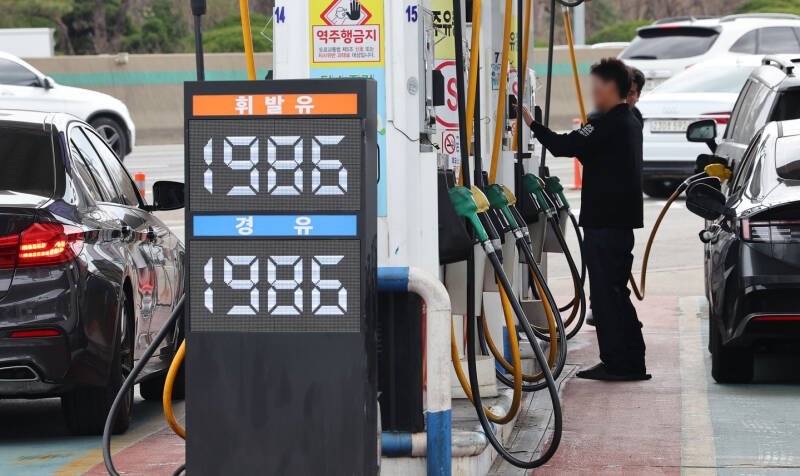
In late March, the government allocated a substantial 5 trillion won ($3.4 billion) to support the fuel price cap. This move aimed to stabilize fuel costs for consumers amid global uncertainty in crude oil supply. The system involves the government setting refinery supply prices every two weeks.
Why This News Matters
This is important because it directly impacts the cost of living for South Korean citizens and businesses. Moreover, it highlights the challenges governments face when trying to control market forces through artificial means. The policy's unintended consequences could undermine its original goals and create new problems.
It’s also important because it can have significant implications for the country's energy consumption, environment and economy. The financial burden will ultimately fall on the citizens of South Korea and needs to be reviewed quickly to ensure it is sustainable.
Our Analysis
The core issue is the government's attempt to insulate consumers from global oil price fluctuations. While the intention is noble, the implementation appears flawed. The government froze prices even as the Mean of Platts Singapore (MOPS) benchmark indicated significant increases in gasoline, diesel, and kerosene prices. This deviation from market realities creates an artificial gap that requires taxpayer money to fill. The supplementary budget of 5 trillion won is a testament to this financial strain.
In our opinion, this policy suffers from a lack of precision. Capping prices across the board benefits not only vulnerable consumers but also those who can afford higher prices, such as owners of large SUVs and luxury imported vehicles. A more targeted approach, such as direct subsidies for low-income households, would likely be more efficient and equitable.
Rising Consumption: An Unintended Consequence
Perhaps the most alarming outcome is the increase in fuel consumption. Data from the Korea Petroleum Quality and Distribution Authority revealed a surge in gasoline (24.7%) and diesel (16.3%) sales within two weeks of the price cap's implementation. This increase occurred despite government efforts to promote energy conservation. Artificially low prices disincentivize conservation, leading to a paradoxical situation where energy consumption rises despite efforts to reduce it. This could have serious environmental consequences.
Fiscal Burden and Lack of Clear Principles
The lack of clear principles in operating the price cap system is a major concern. The government’s justification for freezing prices – the need to ease the burden on households, particularly those reliant on diesel for freight and delivery – is understandable. However, the inconsistent application of the policy, diverging from international oil trends, raises questions about its transparency and predictability.
This could impact investor confidence in the South Korean market. Unpredictable government interventions in the energy market could deter foreign investment and hinder long-term economic growth.
Future Outlook
The long-term sustainability of the fuel price cap hinges on several factors. Firstly, the government needs to establish clear and consistent principles for adjusting prices, aligning them more closely with international market trends. Secondly, it must consider implementing more targeted assistance programs to support vulnerable consumers without distorting the broader market. The current approach requires a comprehensive exit strategy.
Without a clear exit strategy, the temporary intervention risks becoming a prolonged distortion, creating further economic imbalances. The government should closely monitor global oil prices and prepare to phase out the price cap as soon as market conditions stabilize.
Ultimately, the success of this policy depends on the government's ability to strike a balance between providing short-term relief to consumers and maintaining the integrity of the market. It remains to be seen whether this ambitious experiment will achieve its intended goals or lead to unintended and costly consequences.