Diesel Price Hike Philippines: Understanding the Impact and Future Outlook
Diesel prices in the Philippines are expected to rise significantly. Understand the reasons, potential impacts, and future outlook of this price hike.



Diesel prices in the Philippines are expected to rise significantly. Understand the reasons, potential impacts, and future outlook of this price hike.
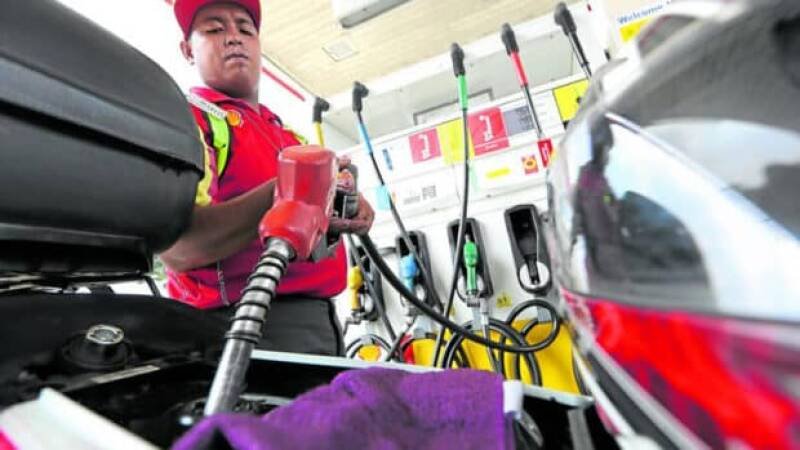
Get ready for another hit at the pump! Oil companies in the Philippines are preparing to implement another round of significant price increases on Tuesday, impacting Filipino consumers already grappling with rising living costs. The headline figure? Diesel prices could potentially reach a staggering ₱170 per liter.
Several factors contribute to these alarming price increases. Global oil market volatility, geopolitical tensions (especially related to the conflict in Ukraine), and production cuts from major oil-producing nations all play a role. These global factors directly influence the price of crude oil, which in turn impacts the price of refined petroleum products like diesel.
Diesel is the lifeblood of many industries in the Philippines. It powers trucks that transport goods, buses that move people, and generators that provide electricity. Therefore, a significant increase in diesel prices will have a ripple effect throughout the economy.
This isn't just about paying more at the gas station. The potential impact of these diesel price hikes is far-reaching and affects everyone in the Philippines, directly or indirectly.
In our opinion, the projected diesel price hike is a serious cause for concern. While global factors are largely beyond the control of the Philippine government, proactive measures are needed to mitigate the impact on the Filipino people.
One area the government could explore is providing targeted subsidies to vulnerable sectors, such as public transportation operators and small businesses heavily reliant on diesel. Reducing taxes on fuel, even temporarily, could also offer some relief to consumers. However, such measures must be carefully considered to avoid unintended consequences, such as market distortions or unsustainable fiscal burdens.
The government also needs to double down on efforts to promote energy efficiency and diversification. Investing in renewable energy sources and encouraging the adoption of electric vehicles are crucial steps towards reducing the country's dependence on imported fossil fuels and building a more sustainable energy future.
The future of diesel prices in the Philippines remains uncertain, largely dependent on global market conditions. The ongoing conflict in Ukraine, the production policies of OPEC+ nations, and the overall health of the global economy will all play a significant role.
Furthermore, the effectiveness of government interventions will be crucial in mitigating the impact on Filipino consumers. If the government fails to take decisive action, we could see further increases in inflation and a significant slowdown in economic growth. This could impact the lives of many Filipinos.
In the long term, the Philippines needs to prioritize energy independence. This will require a combination of investments in renewable energy, policies that promote energy efficiency, and a strategic approach to managing the country's energy resources. Only then can the Philippines insulate itself from the volatility of the global oil market and ensure a more stable and sustainable energy future for its citizens. It's important to note that shifting to alternative sources may take time and investment, but it is a worthwhile and important long-term goal.