Department of Education Shrinking: What It Means for Schools
Is the Department of Education shrinking? We analyze the recent cuts and what they could mean for schools, students, and the future of education in America.
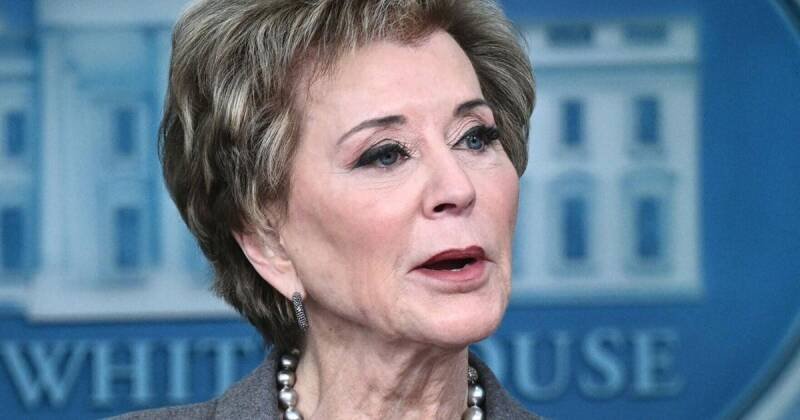



Is the Department of Education shrinking? We analyze the recent cuts and what they could mean for schools, students, and the future of education in America.
A recent editorial raised a crucial question: if the Department of Education (DOE) is shrinking, but no one is paying attention, does it really matter? This seemingly simple query delves into the heart of federal education policy and its potential impact on schools nationwide.
The Department of Education plays a significant role in shaping education across the United States. Its responsibilities include:
A shrinking DOE could mean less funding, fewer programs, and a shift in priorities, all of which could have significant ramifications for students, teachers, and administrators.
The size and scope of the Department of Education directly impacts the resources available to states and local school districts. A smaller department could lead to:
This could disproportionately affect low-income communities and students with disabilities, widening existing achievement gaps.
The implications of a shrinking Department of Education are complex. On one hand, some argue that less federal intervention allows for more local control and innovation in education. They believe that states and communities are better equipped to address the unique needs of their students without burdensome federal regulations. In our opinion, this argument overlooks the crucial role the DOE plays in ensuring equity and providing resources to under-resourced schools.
On the other hand, a reduced DOE could signal a decreased commitment to education at the federal level. This could translate into fewer resources for vital programs and a weakening of federal oversight to protect vulnerable students. This, in our opinion, would be a significant step backward.
The editorial's question is vital because it forces us to consider the trade-offs involved in federal education policy. Is local control worth the risk of widening achievement gaps? Is federal oversight necessary to ensure equity, even if it comes with bureaucratic burdens?
The future of the Department of Education remains uncertain. Several factors could influence its size and scope, including:
This could impact not only the department’s budget, but also the initiatives it prioritizes. We believe that ongoing discussions about the future of the Department of Education are vital to ensuring that all students have access to a high-quality education.
Ultimately, the question of whether the shrinking DOE "really matters" depends on your perspective. For those who value local control and limited government, it might be seen as a positive development. However, for those who believe in the importance of federal intervention to ensure equity and opportunity, it could be a cause for concern. The key is to stay informed, engage in thoughtful dialogue, and advocate for policies that support the best interests of all students.