Bryan Cranston Defends Skyler White: Why It Still Matters
Bryan Cranston defends Anna Gunn and her Breaking Bad character, Skyler White, from years of fan criticism. Learn why this matters and get our analysis.
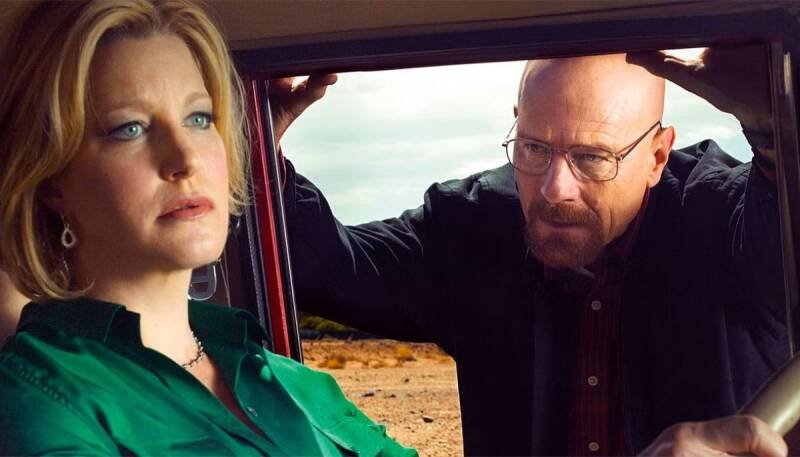



Bryan Cranston defends Anna Gunn and her Breaking Bad character, Skyler White, from years of fan criticism. Learn why this matters and get our analysis.
Bryan Cranston, the iconic Walter White from "Breaking Bad," has once again defended his co-star Anna Gunn, who played his on-screen wife, Skyler White. Gunn faced a barrage of intense criticism and even hate from some viewers during the show's run and long after it ended. Cranston's recent remarks highlight the persistent problem of fans blurring the lines between fiction and reality.
During a recent interview, Cranston didn't mince words. He stated that the hatred directed at Anna Gunn was "infuriating" and completely unwarranted. He emphasized that Gunn was simply playing a role, a complex and often difficult role, within the story created by Vince Gilligan. He argued that Skyler White's character was essential to the narrative, providing a crucial counterpoint to Walter White's descent into darkness.
Skyler White was not intended to be a universally beloved character. She represented the voice of reason, the moral compass that Walter White increasingly ignored. Her attempts to protect her family and expose Walter's criminal activities naturally put her at odds with viewers who were, in some cases, rooting for Walter's transformation into Heisenberg. This created a perfect storm for criticism aimed at Gunn.
This isn't just about defending an actress from years-old criticism. It shines a light on a larger issue within fandom culture: the tendency to take fictional narratives too personally and to direct misplaced anger at actors for the choices their characters make. This can have serious consequences, impacting actors' mental health and potentially discouraging them from taking on challenging roles.
In our opinion, the backlash against Anna Gunn was a prime example of toxic fandom. While viewers are free to dislike a character, the level of vitriol directed at Gunn was completely disproportionate and unacceptable. It stemmed, in part, from a misguided perception of Skyler as an obstacle to Walter's success, rather than as a victim of his increasingly dangerous choices.
Furthermore, it reflects a broader societal issue: the tendency to punish female characters who challenge male protagonists. Skyler was a strong, independent woman who refused to blindly support her husband's illegal activities. This defiance, rather than being seen as a strength, was often interpreted as nagging and obstructionism by some viewers.
The "Breaking Bad" discourse continues to be relevant, especially with the continued success of the franchise through shows like "Better Call Saul." Hopefully, Cranston's consistent defense of Gunn will help to reframe the conversation around Skyler White and encourage viewers to approach complex characters with more empathy and understanding. It also serves as a cautionary tale for future creators and actors navigating the potentially treacherous waters of fandom.
This situation could impact how actors approach roles in complex dramas, making them more hesitant to portray characters who might be perceived negatively by fans. It also emphasizes the need for greater awareness and accountability within online communities to prevent similar incidents of harassment and abuse in the future.
Ultimately, Bryan Cranston's defense of Anna Gunn is a powerful reminder that actors are not their characters and that criticism should be constructive, not destructive. It is a call for greater responsibility and empathy within fandom culture.
























