Bear Cub Rescue: Jelly's Story and What it Means for Wildlife Conservation
A rescued bear cub named Jelly is now safe after being found near Kamloops. Learn about Jelly's rescue, why it matters for wildlife conservation, and what the future holds for bear populations.
'Happy Little Guy': The Story of Jelly, a Rescued Bear Cub
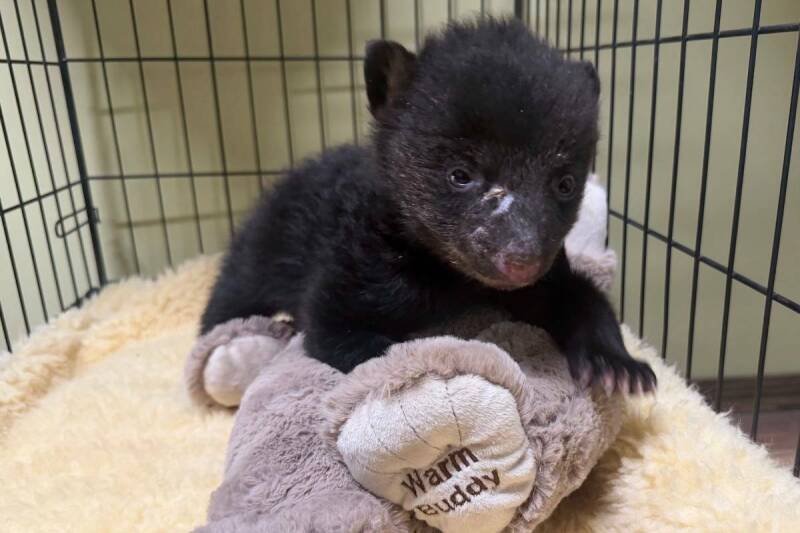
On March 23rd, World Bear Day, a heartwarming rescue took place near Kamloops, British Columbia. A small bear cub, now affectionately named Jelly, was found near Heffley Lake. This rescue highlights the importance of wildlife conservation efforts and the challenges faced by bear populations in human-populated areas.
The Rescue
The details surrounding Jelly's discovery are still emerging, but we know he was found alone near Heffley Lake. Rescuing a cub without its mother is always a delicate situation. Wildlife experts are typically called to assess the situation and determine the best course of action. Often, cubs are taken to specialized wildlife rehabilitation centers where they can receive the care they need to survive and, hopefully, be released back into the wild.
Jelly's Condition
News reports indicate that Jelly is in good health and is described as a "happy little guy." This is fantastic news! A healthy start is crucial for a young bear cub's survival, especially after being separated from its mother. The rehabilitation process will likely involve providing Jelly with proper nutrition, medical care, and a safe environment to grow and develop his natural instincts.
Why This News Matters
The rescue of Jelly is more than just a feel-good story. It shines a light on several important issues:
* **Human-Wildlife Conflict:** Jelly's discovery near a populated area like Heffley Lake underscores the growing conflict between humans and wildlife as development encroaches on natural habitats. This highlights the need for responsible land management and mitigation strategies.
* **Importance of Conservation:** The fact that a bear cub needed rescuing emphasizes the vulnerability of bear populations. Habitat loss, climate change, and human activity all pose significant threats. Conservation efforts are critical to ensure these magnificent creatures thrive in the future.
* **Animal Welfare:** Every animal deserves a chance at a healthy life. Jelly's rescue demonstrates the compassion and dedication of wildlife rescuers and rehabilitation specialists who work tirelessly to protect vulnerable animals.
Our Analysis
In our opinion, Jelly's story is a microcosm of the larger challenges facing wildlife populations globally. The fact that he was found alone suggests a disruption in his natural environment. This could be due to various factors, including:
* **Habitat Loss:** Deforestation and development can fragment habitats, making it difficult for bears to find food and shelter.
* **Human Interference:** Bears are sometimes drawn to human settlements by the scent of food, leading to conflicts and potential harm to both humans and bears.
* **Climate Change:** Changing weather patterns can affect bear populations, disrupting their hibernation cycles and food sources.
This rescue underscores the critical need for proactive measures to protect bear habitats, educate the public about responsible wildlife interactions, and support wildlife rehabilitation efforts.
Future Outlook
What happens to Jelly now? The most likely scenario is that he will spend time at a wildlife rehabilitation center. He'll be cared for, fed, and monitored to ensure he develops the skills needed to survive in the wild. Ideally, he will eventually be released back into a suitable habitat away from human settlements.
However, the future of bear populations, in general, requires a multifaceted approach:
* **Habitat Preservation:** Protecting and restoring bear habitats is essential. This includes preventing deforestation, managing development responsibly, and creating wildlife corridors to connect fragmented habitats.
* **Education and Awareness:** Educating the public about bear behavior, safe wildlife viewing practices, and the importance of coexisting with wildlife is crucial.
* **Conflict Mitigation:** Implementing strategies to reduce human-wildlife conflict, such as bear-resistant garbage containers and electric fencing, can help protect both humans and bears.
* **Supporting Rehabilitation:** Continued support for wildlife rehabilitation centers is vital to provide care for injured or orphaned animals like Jelly.
This could impact local tourism if bear populations decline and people are no longer able to view them in their natural habitat.
Ultimately, the story of Jelly serves as a reminder that we all have a role to play in protecting wildlife and ensuring a healthy planet for future generations. We must champion conservation efforts and promote responsible coexistence with the natural world.