Artemis II Sets Stage for Artemis III: What It Means for Future Moon Missions
Artemis II is underway, but NASA is already preparing for Artemis III. Learn why this mission is crucial for future lunar exploration and what to expect.
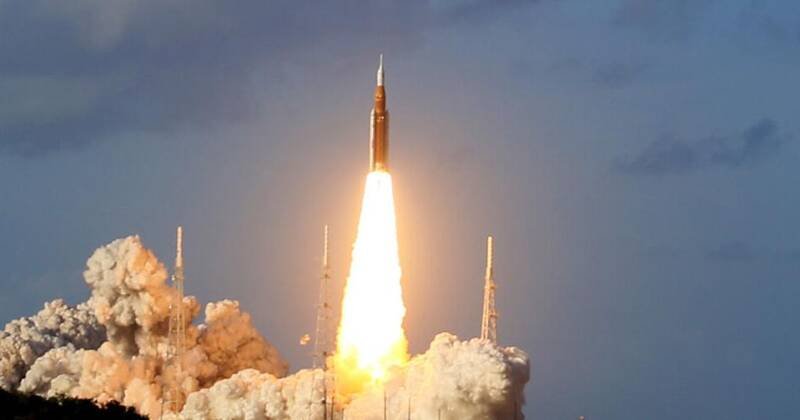



Artemis II is underway, but NASA is already preparing for Artemis III. Learn why this mission is crucial for future lunar exploration and what to expect.
The Artemis II mission, carrying four astronauts, officially started its journey on Thursday afternoon, effectively punching their ticket to circle the moon. This marks a significant step in NASA's ambitious plan to return humans to the lunar surface. While the world watches Artemis II, teams at Kennedy Space Center in Florida are already hard at work preparing for the next crucial mission: Artemis III, slated for launch next year.
Artemis II is a crucial test flight. It will orbit the moon, proving the Orion spacecraft's life support systems and other critical technologies are ready for a crewed landing. This mission will pave the way for future, more complex missions, including Artemis III.
The commencement of Artemis II and the concurrent preparations for Artemis III signal a renewed focus on lunar exploration and human spaceflight. This isn't just about going back to the moon; it's about establishing a sustainable presence there, leading to further exploration of our solar system. It's also a technological proving ground, pushing the boundaries of what's possible in engineering, materials science, and space medicine. This sustained investment in space exploration drives innovation and inspires future generations of scientists and engineers. This is a huge step forward for space exploration and could lead to more discovery.
In our opinion, the simultaneous progression of Artemis II and the planning for Artemis III demonstrates NASA's commitment to a long-term lunar program. This layered approach mitigates risk. Artemis II provides valuable data to refine the Artemis III mission plan, improving the chances of success. This is also a smart political move, showcasing tangible progress and justifying continued funding for the Artemis program.
The success of Artemis II is contingent upon many factors, but the dedicated and skilled teams working at Kennedy Space Center give us confidence in its execution. The parallel work on Artemis III ensures momentum and prevents delays in the overall program timeline. This is because the groundwork for Artemis III, such as hardware development and launch preparations, will already be underway when Artemis II returns.
Looking ahead, the success of Artemis III hinges on the data collected during the Artemis II mission. Any anomalies or unexpected challenges encountered during the Artemis II flight will need to be addressed before Artemis III can proceed safely. NASA will likely use the next year to rigorously analyze data and refine its procedures. This could impact both the launch date and the mission profile of Artemis III.
Beyond Artemis III, NASA envisions establishing a permanent lunar base, the Artemis Base Camp, to facilitate long-term scientific research and resource utilization. The ultimate goal is to use the moon as a stepping stone for future missions to Mars. The Artemis program is not just about going to the Moon; it's about setting up a foundation for a greater amount of solar system exploration.
The coming months will be crucial as NASA works towards achieving these milestones and preparing for the historic return of humans to the lunar surface with Artemis III.