AI Dating App: Is It a Match Made in Heaven or a Privacy Nightmare?
A new AI-powered dating app is raising eyebrows. Is it the future of romance or a step too far? We break down the concerns and offer expert analysis.
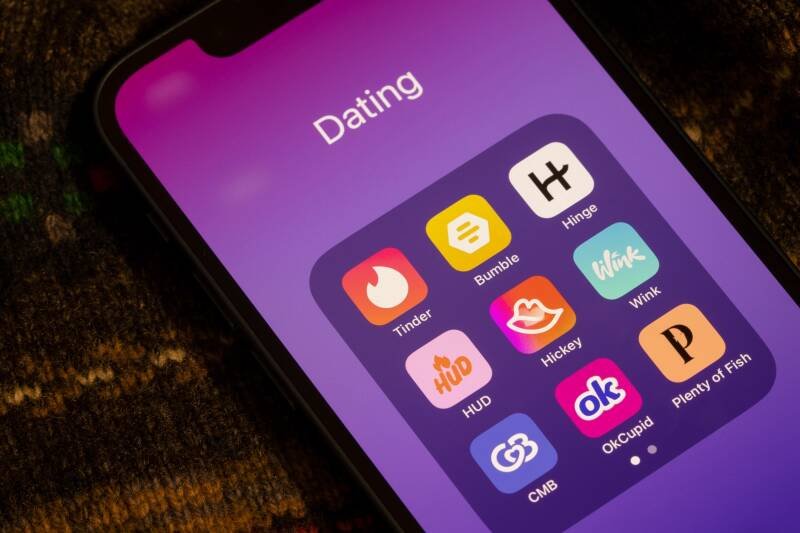



A new AI-powered dating app is raising eyebrows. Is it the future of romance or a step too far? We break down the concerns and offer expert analysis.
A buzz is building, and not all of it is positive. A new type of dating application, one potentially powered by artificial intelligence (AI) in unprecedented ways, is rumored to be on the horizon. While some might see this as a leap forward in finding love, others are expressing serious concerns, even calling it "horrifying." What's fueling this strong reaction?
Traditional dating apps typically rely on user-provided profiles, algorithms based on stated preferences, and maybe some behavioral analysis. An AI-driven app could go much further. Imagine an app that analyzes your text messages, social media activity, even your voice patterns to determine your compatibility with potential matches. It could predict relationship success based on factors you might not even be aware of.
This level of data mining is where the unease stems from. While the promise of a more accurate matchmaking system is enticing, the potential for misuse and privacy violations is substantial.
The development of AI-powered dating apps is significant for several reasons:
This isn't just about finding a date; it's about the future of human connection in a world increasingly influenced by artificial intelligence. The choices we make now regarding AI in dating could have profound implications for how we form relationships in the years to come.
In our opinion, the anxieties surrounding this new wave of dating apps are valid. The sheer volume of personal data an AI-powered app could collect is staggering. Consider the information readily available across various platforms: social media posts, location data, spending habits, even health information. An AI could piece together a remarkably detailed profile, potentially revealing aspects of your personality and preferences you wouldn't consciously share.
Furthermore, the potential for bias is significant. AI algorithms are trained on data, and if that data reflects existing societal biases, the algorithm will perpetuate them. This could lead to discriminatory matchmaking, favoring certain demographics over others. This is why, ethical development and transparency of algorithms is crucially important.
We often willingly trade privacy for convenience. We share our location with ride-sharing apps, our shopping history with online retailers, and our thoughts and feelings on social media. However, the stakes are higher when it comes to dating. The vulnerability involved in seeking a romantic partner, combined with the potential for AI-driven manipulation, creates a perfect storm of privacy concerns.
The future of dating apps is undoubtedly intertwined with AI. As AI technology continues to advance, we can expect to see even more sophisticated matchmaking systems emerge. Whether these systems are ultimately beneficial or detrimental depends on how they are developed, regulated, and used.
Key areas to watch:
This could impact the dating app market significantly, shifting the power dynamics between users and app providers. Users should do their research, understand the data being collected and push for greater transparency from app developers.
Ultimately, the success of AI-powered dating apps will depend on whether they can strike a balance between innovation and ethical considerations. If they can't, the "horrifying" label might stick.
























