Artemis II: NASA's Lunar Voyage and the Future of Moon Exploration
Artemis II mission marks a pivotal step towards NASA's long-term lunar goals. Understand the mission's significance, potential impact, and future outlook.
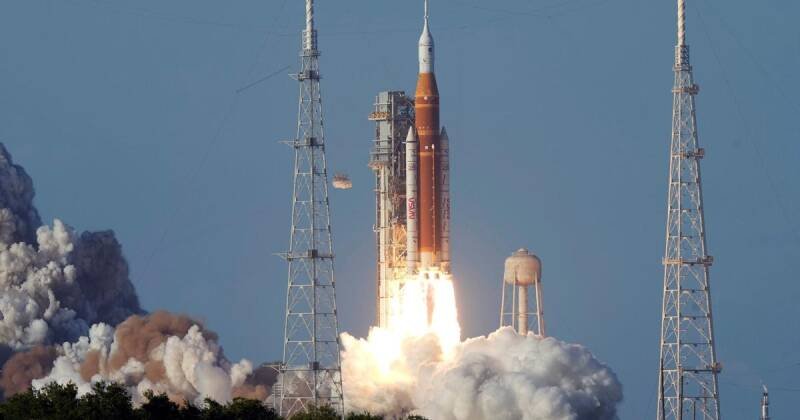



Artemis II mission marks a pivotal step towards NASA's long-term lunar goals. Understand the mission's significance, potential impact, and future outlook.
NASA's Artemis program has officially kicked off its manned lunar missions with Artemis II. This mission sends astronauts on a voyage around the moon, marking a significant milestone in humanity's return to lunar exploration.
Artemis II is a crewed mission designed to orbit the Moon. It's the first crewed mission of the Artemis program and a crucial test flight before NASA attempts to land astronauts on the lunar surface again with Artemis III. The mission involves four astronauts who will embark on a journey around the Moon, pushing the boundaries of human space exploration.
This mission isn't just about going back to the Moon; it's about establishing a sustainable presence there. Artemis II paves the way for future missions that aim to build a permanent lunar base, opening up exciting possibilities for scientific research, resource utilization, and even potential future missions to Mars.
Artemis II represents a turning point in space exploration. Here's why it's important:
In our opinion, Artemis II is more than just a mission; it's a statement of intent. NASA is signaling its commitment to long-term lunar presence. The risks are, of course, significant, but the potential rewards are even greater. Successfully orbiting the moon with a crew validates the systems designed for later moon landings.
The success of Artemis II hinges on a few key factors. First, the Orion spacecraft and the Space Launch System (SLS) rocket must perform flawlessly. Second, the crew must be able to handle the challenges of deep-space travel, including radiation exposure and extended periods of isolation. Finally, mission control needs to be able to effectively communicate with and support the crew throughout the mission.
This could impact the commercial space sector as well. A sustained lunar presence will likely create opportunities for private companies to develop and provide services related to lunar transportation, resource extraction, and construction.
The future of lunar exploration looks bright, assuming Artemis II is successful. This success will likely spur further investment in the Artemis program and accelerate the development of the technologies needed for a permanent lunar base.
Here's what we can expect in the coming years:
Ultimately, the Artemis program aims to establish a sustainable human presence on the Moon, paving the way for future missions to Mars and beyond. Artemis II is a vital step in achieving that goal, proving that manned lunar missions are within our reach again and offering invaluable lessons for future deep-space endeavors.