Artemis II Breaks Human Distance Record: What It Means for Lunar Exploration
NASA's Artemis II mission sets a new record for human distance from Earth. Explore the implications, analysis, and future of lunar exploration.
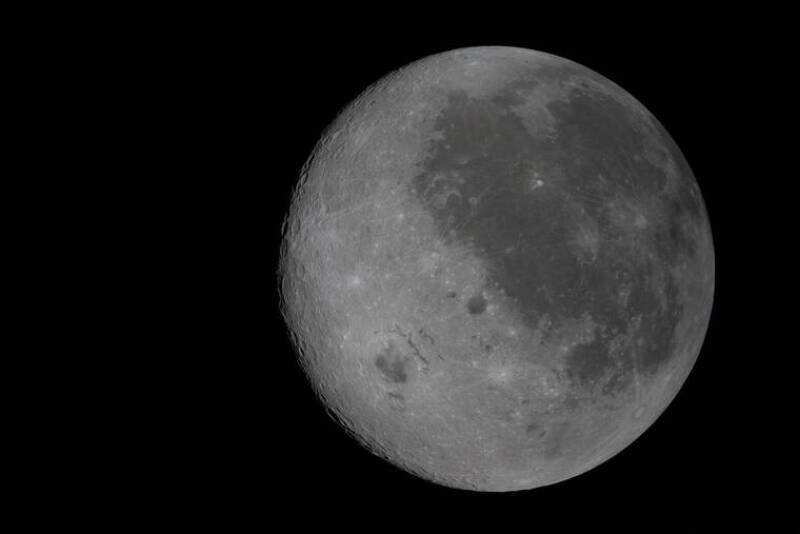



NASA's Artemis II mission sets a new record for human distance from Earth. Explore the implications, analysis, and future of lunar exploration.
In a monumental moment for space exploration, NASA's Artemis II mission has achieved a new milestone, surpassing the record for the furthest distance any human has traveled from Earth. The four astronauts aboard the Orion spacecraft are now venturing deeper into space than ever before, setting the stage for future lunar missions and paving the way for a return to the Moon.
The Artemis II mission reached its furthest point, traveling within the Moon's gravitational sphere of influence. This trajectory will soon guide them around the far side of the Moon, an area that remains largely unexplored by humans. This achievement marks a significant step forward in NASA's ambitious Artemis program, which aims to establish a sustainable presence on the Moon and prepare for future missions to Mars.
This record-breaking distance is more than just a number. It demonstrates the capabilities of the Orion spacecraft and the accuracy of the mission's trajectory. It also boosts morale and confidence in NASA's ability to execute complex space missions. This success inspires the next generation of scientists, engineers, and astronauts, fueling their dreams of reaching for the stars.
Furthermore, exploring the far side of the Moon is crucial. This region offers unique scientific opportunities, as it is shielded from Earth's radio interference, allowing for clearer observation of the universe.
In our opinion, this achievement is a testament to decades of planning, engineering, and dedication. The Artemis program represents a renewed commitment to human space exploration, and this latest milestone is a powerful validation of its potential. The data collected during this mission will be invaluable in planning future lunar landings and developing technologies for deep space travel.
The complexities of navigating within the Moon's gravitational field and maintaining communication with Earth require sophisticated technologies and precise calculations. The fact that the Artemis II mission has successfully navigated this challenge speaks volumes about the expertise of the NASA team and the reliability of the Orion spacecraft.
This mission is a stepping stone towards a sustainable lunar presence. Future Artemis missions are planned to land astronauts on the Moon's surface, where they will conduct scientific research, test new technologies, and build infrastructure. This could impact various industries, from resource extraction to advanced manufacturing.
Here's what we can expect in the coming years:
The journey to the Moon is not without its risks. However, the potential rewards – scientific discovery, technological advancement, and inspiration for future generations – are well worth the effort. In our opinion, the Artemis program represents a bold vision for the future of human space exploration, and we are excited to see what lies ahead.
Ultimately, the Artemis II mission’s achievement underscores humanity's insatiable curiosity and its relentless pursuit of knowledge. The data and experience gained from this mission will not only inform future lunar endeavors but will also contribute to our understanding of the universe and our place within it.