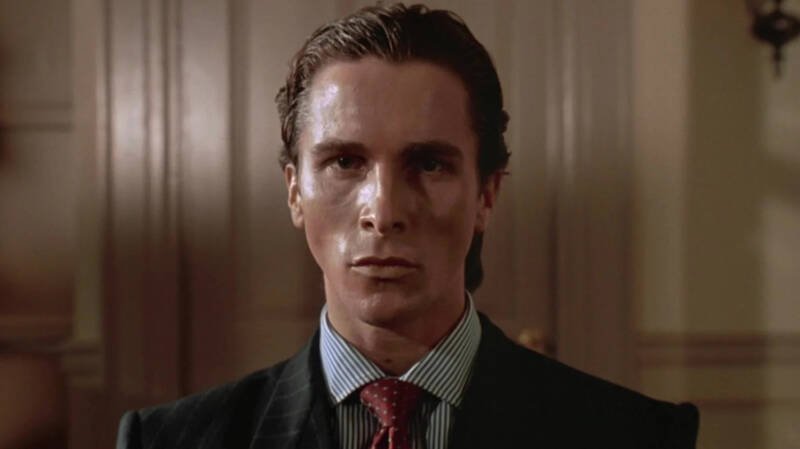
American Psycho: Why Mary Harron Was Almost Fired and What It Means
Discover the behind-the-scenes drama of American Psycho: Why director Mary Harron was initially fired from the Christian Bale movie, the reasons, and its impact on the film's legacy.
American Psycho: The Director Drama You Didn't Know About
American Psycho, the darkly comedic thriller starring Christian Bale, is a cult classic. But did you know the film almost had a completely different director? Mary Harron, the visionary behind the movie's unique tone, was initially fired before being brought back to helm the project.
The Initial Firing: Creative Differences and Studio Pressure
The story begins with Lionsgate acquiring the rights to Bret Easton Ellis's controversial novel. Mary Harron was chosen as the director, seeing the potential for a satirical commentary on toxic masculinity and consumerism. However, studio executives had concerns. They envisioned a more straightforward, horror-driven adaptation, potentially with a bigger-name director attached to attract a wider audience.
Oliver Stone, known for films like "Platoon" and "Wall Street," was briefly considered, and even approached, to take over. This was largely because the studio was under immense pressure to ensure "American Psycho" would be a commercial success. In their eyes, having a proven director like Stone seemed a safer bet.
Harron's Vision: More Than Just Horror
Harron's vision for "American Psycho" wasn't just about the gore and violence. She wanted to explore the character of Patrick Bateman as a product of his environment, a man whose emptiness and insecurity led him down a terrifying path. She emphasized the satire, the dark humor, and the commentary on societal excess. This nuanced approach differed significantly from the studio's initial expectations.
The conflict ultimately led to Harron's temporary departure. The studio believed a different director might be better suited to deliver a more commercially viable product.
The Return of Harron: A Fight for Artistic Integrity
Fortunately, Christian Bale, who was always Harron's first choice for the role of Patrick Bateman, played a crucial role in her reinstatement. Bale insisted on working with Harron, recognizing her unique understanding of the character and the story's complexities. This staunch support from the leading man proved instrumental in convincing the studio to reconsider.
After some negotiation and likely concessions from both sides, Mary Harron was rehired. This was a victory for artistic integrity and a testament to Bale's belief in her vision.
Why This News Matters
The near-firing of Mary Harron highlights the challenges faced by directors, especially female directors, in Hollywood. It demonstrates the constant tension between artistic vision and commercial considerations. This behind-the-scenes drama reveals how close "American Psycho" came to being a very different film, potentially losing the satirical edge that makes it so memorable.
Our Analysis
In our opinion, Mary Harron's direction was crucial to the success and enduring appeal of "American Psycho." Her feminist perspective and focus on satire transformed a potentially exploitative and sensational story into a thought-provoking commentary on societal issues. Had Oliver Stone directed the film, it's highly likely the result would have been a more graphic and less nuanced portrayal of Patrick Bateman.
This situation also underscores the importance of actors using their influence to support directors they believe in. Christian Bale's advocacy for Harron was pivotal in ensuring that her vision was realized. This demonstrates how collaboration and mutual respect can lead to exceptional filmmaking.
Future Outlook
This story serves as a valuable reminder of the battles that often occur behind the scenes of film production. It could impact how studios approach hiring directors in the future, hopefully encouraging them to prioritize artistic vision over purely commercial considerations.
Furthermore, the success of "American Psycho" as a cult classic demonstrates that audiences are often drawn to films with depth and complexity, even if they don't fit neatly into conventional genre categories. This could lead to greater acceptance of unconventional storytelling and a willingness to take risks on projects that challenge audience expectations.
The legacy of "American Psycho" continues to influence filmmaking, and the story of Mary Harron's near-firing serves as a reminder of the importance of fighting for artistic vision and believing in the power of unique perspectives.