Wells Gray Park Massacre: Keeping a Killer Behind Bars After 44 Years
Family and friends of the Johnson Bentley family, murdered in 1982 in Wells Gray Park, are fighting to ensure their killer, David Ennis (Shearing), remains incarcerated. Learn about the case, its impact, and the future outlook.
Wells Gray Park Massacre: A Fight for Justice Continues After 44 Years
The horrific Wells Gray Park massacre, where six members of the Johnson Bentley family were brutally murdered in 1982, continues to cast a long shadow. Now, 44 years later, family and friends are actively fighting to keep the convicted killer, David Ennis (formerly known as David Shearing), behind bars and prevent his potential parole.
The Brutal Crime
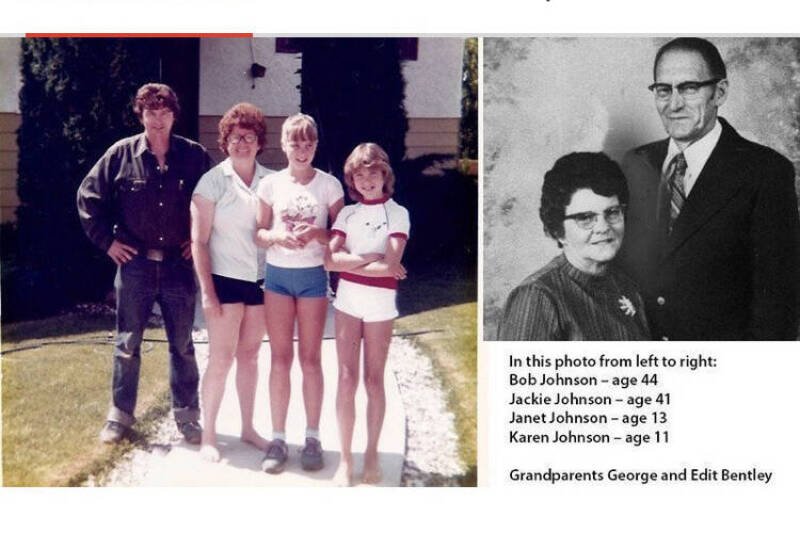
In August 1982, David Ennis, then David Shearing, murdered Bob and Jackie Johnson, their daughters Janet, 13, and Karen, 11, and Bob’s parents, George and Edith Bentley. The family was on a camping trip in Wells Gray Provincial Park in British Columbia, Canada. The brutal nature of the crime shocked the nation and left a lasting scar on the community.
The Ongoing Fight Against Parole
Despite being convicted of six counts of second-degree murder, Ennis remains eligible for parole. This fact alone fuels the ongoing efforts of the victims' family and friends to ensure he remains incarcerated. They actively participate in parole hearings, submitting victim impact statements and lobbying to highlight the severity of his crimes and the potential danger he still poses to society.
Why This News Matters
This story goes beyond a single criminal case. It highlights the complexities of the Canadian parole system, the rights of victims and their families, and the ongoing trauma associated with violent crime. It also underscores the importance of remembering the victims and honoring their memory through advocacy and continued efforts to ensure justice.
Our Analysis
The Wells Gray Park massacre is a stark reminder of the devastating impact of violent crime. In our opinion, the unwavering dedication of the Johnson Bentley family's supporters demonstrates the profound need for a criminal justice system that prioritizes both public safety and the rights of victims. The fact that Ennis is even eligible for parole after such a heinous crime raises significant questions about the effectiveness of the rehabilitation process and the potential risks to the community.
The emotional toll on the surviving family members is immeasurable. For decades, they have had to relive the tragedy every time Ennis is considered for parole. This constant re-traumatization highlights the often-overlooked burden placed on victims' families within the criminal justice system.
Future Outlook
The future of this case hinges on ongoing parole board decisions. Supporters of the Johnson Bentley family will likely continue their advocacy, presenting compelling arguments against Ennis's release. They will emphasize the gravity of his crimes, his potential for re-offending, and the need to protect the public. It's also possible that changes to parole eligibility criteria could be considered in light of cases like this, though that would involve complex legal and political processes.
This could impact the broader conversation around victim rights in Canada. Advocacy groups may use this case to push for stronger legislation that gives victims and their families a more prominent voice in the parole process. The case also serves as a reminder of the need for continued support and resources for victims of violent crime and their families.
Remembering the Victims
Ultimately, the most important aspect of this story is remembering the Johnson Bentley family and honoring their memory. They were innocent victims of a senseless act of violence, and their legacy should not be overshadowed by the actions of their killer.
- Bob Johnson
- Jackie Johnson
- Janet Johnson
- Karen Johnson
- George Bentley
- Edith Bentley
Their story serves as a somber reminder of the enduring pain caused by violent crime and the ongoing fight for justice and remembrance.