7-Eleven Egg Salad Sandwich Recall: Listeria Concerns in Western Canada
7-Eleven recalls egg salad sandwiches in Western Canada due to Listeria monocytogenes contamination. Stay informed and learn about the potential risks.
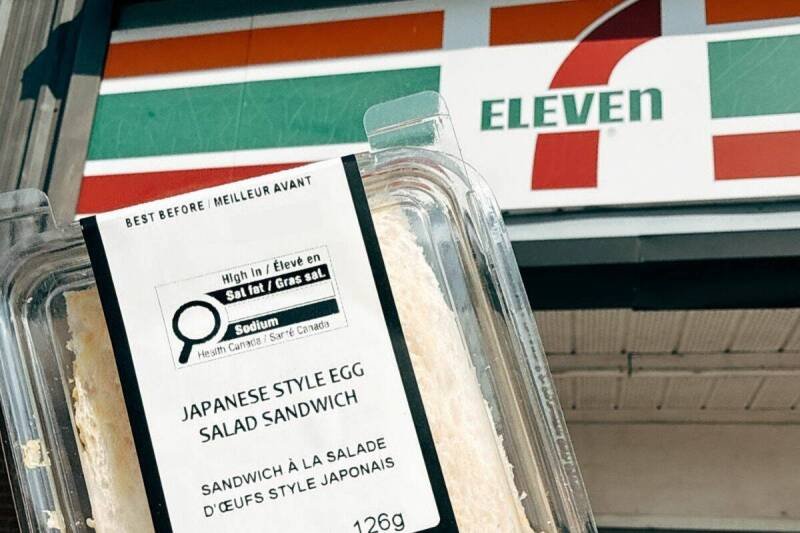



7-Eleven recalls egg salad sandwiches in Western Canada due to Listeria monocytogenes contamination. Stay informed and learn about the potential risks.
Heads up, sandwich lovers! 7-Eleven has issued a recall for its Japanese-style egg salad sandwiches sold in Western Canada, specifically in British Columbia, Alberta, and Saskatchewan. The reason? Potential contamination with Listeria monocytogenes, a type of bacteria that can cause serious illness.
The recall includes specific batches of 7-Eleven's pre-made egg salad sandwiches and potentially other related products sold at their stores in the affected provinces. Consumers are advised to check the product packaging for specific details, including best before dates and lot codes, to determine if they have purchased a recalled item.
Listeria monocytogenes is a bacterium that can contaminate food and cause an infection called listeriosis. While healthy individuals might only experience mild flu-like symptoms, listeriosis can be particularly dangerous for pregnant women, the elderly, and people with weakened immune systems. In these vulnerable populations, listeriosis can lead to serious complications, including miscarriage, stillbirth, severe illness, and even death. Symptoms can include fever, muscle aches, nausea, and diarrhea. If you suspect you have contracted Listeria, it's vital to seek medical attention immediately.
This recall is a serious matter because it highlights the potential risks associated with food contamination. It serves as a reminder that even seemingly harmless foods can pose a threat to public health if not properly handled and stored. Furthermore, it underscores the importance of robust food safety protocols throughout the supply chain, from production to distribution and retail.
For consumers, this recall means checking your refrigerators and pantries for affected products and taking precautions to avoid potential illness. Discarding the recalled products properly is essential to prevent further contamination.
In our opinion, 7-Eleven's quick response to the potential contamination is commendable. Recalls are never ideal, but swiftly removing potentially harmful products from shelves is crucial in preventing widespread illness. The transparency demonstrated by 7-Eleven in communicating the recall information to the public is also important for building trust and ensuring consumer safety.
However, this incident also raises questions about the effectiveness of current food safety monitoring systems. While it's impossible to eliminate all risks, this recall suggests there might be areas for improvement in detecting and preventing contamination before products reach consumers. It could impact 7-Eleven's reputation, at least in the short term, but how they handle the situation moving forward will be the ultimate deciding factor.
Pinpointing the exact source of contamination can be complex and requires a thorough investigation. It could stem from the egg supplier, the processing facility, or even improper handling at the store level. Identifying the root cause is essential to implement corrective measures and prevent future occurrences.
Moving forward, we anticipate increased scrutiny on 7-Eleven's food safety procedures and those of its suppliers. This incident will likely lead to a review of existing protocols and the implementation of more stringent testing and monitoring measures.
This situation could also lead to increased consumer awareness of food safety and a greater demand for transparency from food retailers. Consumers may become more diligent in checking product labels and expiration dates. In the long term, this incident might lead to industry-wide improvements in food safety practices and a greater emphasis on preventative measures.
We believe that ongoing vigilance and continuous improvement are essential to ensure the safety of our food supply. It's the responsibility of food producers, retailers, and regulatory agencies to work together to protect consumers from potential foodborne illnesses.