Wyoming Delegation Supports Iran Action, Rejects Restraint
Wyoming's congressional representatives have uniformly supported the president's actions in Iran and voted against measures seeking de-escalation.




Wyoming's congressional representatives have uniformly supported the president's actions in Iran and voted against measures seeking de-escalation.
Wyoming's representatives in Congress have shown unified support for the President's decision regarding military action in Iran. They have also rejected resolutions aimed at limiting or preventing further escalation of the conflict. This indicates a consistent stance on foreign policy matters related to Iran within the state's congressional representation.
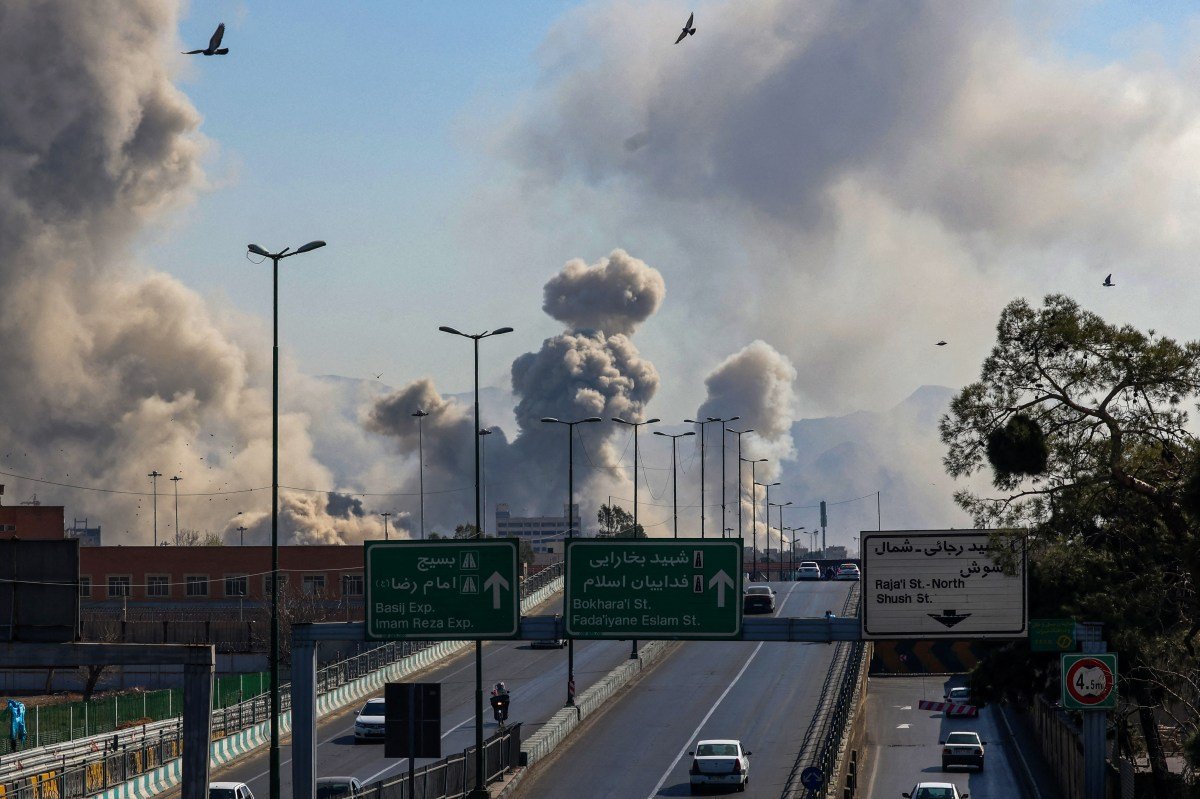
The entire Wyoming congressional delegation has expressed support for the President’s unilateral decision to begin bombing Iran. This backing signifies agreement with the administration's approach to dealing with perceived threats or actions by Iran. Unilateral action, in this context, means the President acted without explicit congressional approval or international consensus, highlighting the executive branch's power in foreign policy.
In addition to supporting the President's actions, the Wyoming delegation has voted against resolutions that would have sought to halt or de-escalate the conflict with Iran. These resolutions, if passed, could have limited the President's ability to take further military action without congressional approval. The rejection of these resolutions demonstrates the delegation's willingness to grant the President more authority in handling the situation with Iran.
The support from Wyoming's congressional delegation provides the President with political backing for his foreign policy decisions. This unified support can strengthen the President's position both domestically and internationally as he navigates the complexities of dealing with Iran. This action aligns Wyoming's representation with the executive branch on matters of national security and foreign policy.
The decision to reject resolutions aimed at de-escalation suggests a preference for a more assertive approach toward Iran. This could potentially lead to further escalation of tensions in the region. The impact of these decisions on international relations and the potential for broader conflict remains a concern.
The implications of these votes extend beyond just the immediate situation with Iran. They reflect broader philosophies regarding the role of Congress in foreign policy decision-making and the extent of presidential power in matters of war and peace. The stance taken by Wyoming's delegation contributes to the ongoing debate about the balance of power between the legislative and executive branches in the realm of foreign affairs.