Taiwan's Exports Surge in February Driven by AI Demand, but War Creates Uncertainty
Taiwan's February exports jumped thanks to strong demand for AI technology, but global instability threatens future growth.



Taiwan's February exports jumped thanks to strong demand for AI technology, but global instability threatens future growth.
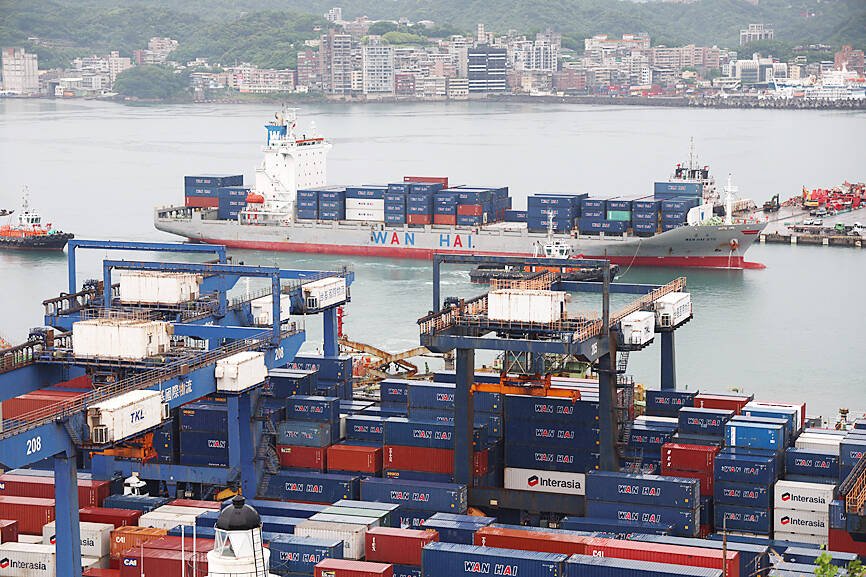
Taiwan experienced a significant boost in exports during February, primarily fueled by the escalating global demand for artificial intelligence (AI) technology. This surge highlights Taiwan's crucial role in the global technology supply chain, particularly in the production of semiconductors and related components vital for AI applications.
The increased reliance on AI across various industries, from cloud computing and data analytics to autonomous vehicles and machine learning, has created a strong market for Taiwan's high-tech products. The demand for advanced chips and components has directly translated into higher export revenues for Taiwanese companies.
Taiwan has been a major hub for technology manufacturing for many years and plays a key role in the world economy. These exports support many companies both in Taiwan and other countries.
Despite the positive performance in February, the ongoing war in Ukraine, along with other geopolitical tensions, creates considerable uncertainty for Taiwan's future export prospects. The war continues to disrupt global supply chains, impacting trade routes and potentially increasing the cost of raw materials and transportation.
The war's effects are far-reaching, and Taiwan, as a trade-dependent economy, is vulnerable to these disruptions. The conflict has already led to increased energy prices, which could affect manufacturing costs and reduce the competitiveness of Taiwanese exports. Furthermore, the war is creating economic instability in Europe, a significant market for Taiwanese goods.
Unpredictability about potential future challenges is high. Potential economic slowdown in major economies is a primary concern.
Taiwan's economic outlook for the coming months depends on how the global situation evolves. While the demand for AI-related products is expected to remain strong, the impact of geopolitical risks will likely play a significant role in shaping Taiwan's export performance. Monitoring developments in the Russia-Ukraine war and adapting to changing global trade dynamics will be crucial for Taiwan to maintain its export momentum.
Taiwan's ability to navigate these challenges and capitalize on opportunities will be essential for sustaining its economic growth in the face of global uncertainty. As the world increasingly relies on AI, Taiwan's position as a key supplier will remain strategically important.