Wisconsin Releases $130 Million to Fight PFAS Contamination: What It Means For You
Wisconsin finally unlocks $130 million to combat PFAS contamination. Learn what this means for water quality, environmental health, and the future of clean water in the state.
Wisconsin Finally Unlocks $130 Million to Fight PFAS Contamination
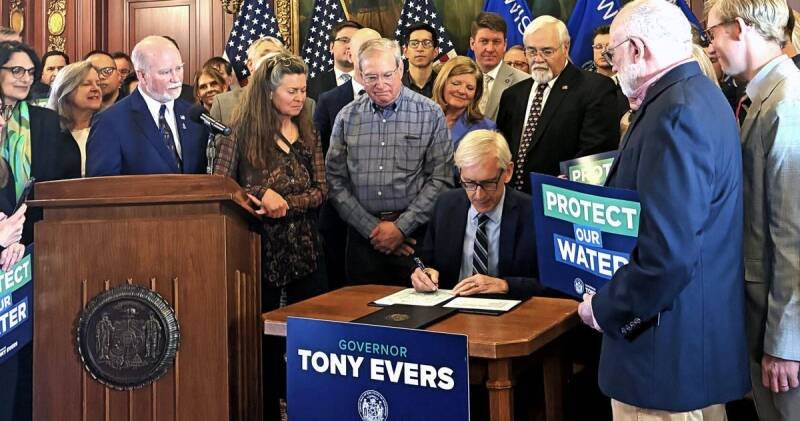
After a long wait and political gridlock, Wisconsin has finally released $130 million to tackle the growing problem of PFAS contamination. These "forever chemicals" are a serious threat to our water, health, and environment.
What are PFAS?
PFAS (per- and polyfluoroalkyl substances) are a group of man-made chemicals that don't break down easily in the environment. They've been used in countless products like non-stick cookware, firefighting foam, and food packaging. Because they are so persistent, they can accumulate in our bodies and the environment, leading to potential health problems.
The Long Road to Funding
The funding was initially allocated in the state's 2023-25 budget, creating a $125 million trust fund dedicated to addressing PFAS contamination. However, political disagreements between Republican lawmakers and Governor Evers stalled the release of these much-needed funds. For years, the money sat unused while the problem continued to worsen.
Where Did the Additional $5 Million Come From?
While the original trust fund was $125 million, the released amount is $130 million. This additional $5 million likely comes from other state funding sources or existing environmental protection budgets, further highlighting the state's commitment to tackling this issue, albeit after considerable delay.
Why This News Matters
This is a major victory for the people of Wisconsin. PFAS contamination poses significant risks, including:
- Health Concerns: PFAS exposure has been linked to various health issues, including cancer, immune system problems, and developmental issues in children.
- Water Quality: PFAS can contaminate drinking water sources, making it unsafe for consumption.
- Environmental Damage: These chemicals can harm wildlife and ecosystems.
- Economic Impact: Cleaning up PFAS contamination can be incredibly expensive, impacting local economies.
This funding will allow the state to take much-needed steps to address these concerns and protect the health and well-being of its citizens.
Our Analysis
The release of these funds is a positive step, but it's essential to remember that this is just the beginning. The scope of PFAS contamination in Wisconsin is vast, and $130 million may not be enough to solve the problem entirely. We believe effective implementation and strategic allocation of these funds are crucial for achieving meaningful results.
The political delays that plagued this process highlight the need for greater cooperation and a more proactive approach to environmental issues. In our opinion, the health of our citizens and the protection of our environment should be a top priority, transcending political divides.
Potential Uses of the Funding
We anticipate the funding will be used for several critical purposes, including:
- Water Testing: Identifying areas with high PFAS contamination levels.
- Water Treatment: Installing and upgrading water treatment facilities to remove PFAS from drinking water.
- Cleanup Efforts: Remediating contaminated sites to prevent further spread of PFAS.
- Research: Studying the long-term health effects of PFAS exposure and developing new cleanup technologies.
- Public Education: Informing the public about the risks of PFAS and how to protect themselves.
Future Outlook
The future of PFAS management in Wisconsin will depend on several factors:
- Effective Implementation: How quickly and efficiently the state can put the funding to work.
- Ongoing Monitoring: Continued testing and monitoring of water sources to track PFAS levels.
- New Regulations: Implementing stricter regulations on the use and disposal of PFAS to prevent future contamination.
- Federal Action: Continued support and funding from the federal government to address PFAS contamination nationwide.
This could impact the real estate market near known contamination sites. Home values could decline as people become wary of potential health hazards. Also, expect increased scrutiny and pressure on companies using PFAS, potentially leading to changes in manufacturing processes and product development. We hope that this is a turning point for water quality in Wisconsin.