Will Packer's "You, Me & Tuscany": Why This Rom-Com Matters
Hollywood producer Will Packer champions Black-led rom-coms with "You, Me & Tuscany." Discover why this film is significant and what it means for the future of representation in cinema.
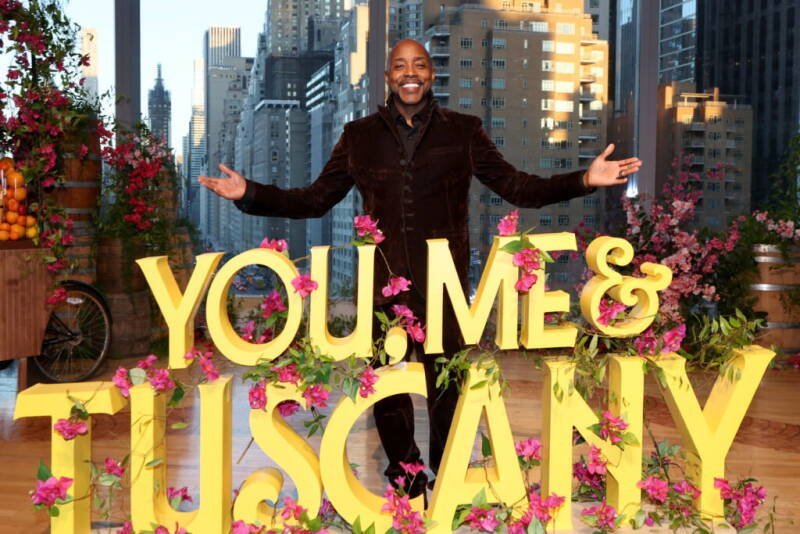



Hollywood producer Will Packer champions Black-led rom-coms with "You, Me & Tuscany." Discover why this film is significant and what it means for the future of representation in cinema.
Hollywood heavyweight Will Packer is making waves again, this time by urging audiences to experience the magic of "You, Me & Tuscany" on the big screen. Packer, known for producing blockbusters like "Girls Trip" and "Think Like a Man," is a vocal advocate for diverse representation in film and is actively working to bring more Black-led romantic comedies back to movie theaters.
"You, Me & Tuscany" promises a heartwarming and visually stunning experience, drawing audiences into a world of love, laughter, and the picturesque landscapes of Italy. The film aims to offer a fresh take on the rom-com genre, showcasing Black talent both in front of and behind the camera.
In an era dominated by streaming services, Packer's push for theatrical releases is significant. He believes that the communal experience of watching a rom-com in a movie theater adds a special dimension to the storytelling, allowing audiences to connect and share the joy (and tears) together.
This news is significant for several reasons. Firstly, it highlights the ongoing need for diversity and representation in mainstream media. By championing "You, Me & Tuscany," Packer is actively challenging the status quo and creating opportunities for Black actors, writers, and directors. Secondly, it signifies a potential shift in the way rom-coms are consumed, with a renewed focus on the theatrical experience. Finally, it reminds us of the power of film to connect people and promote empathy through shared stories.
In our opinion, Will Packer's commitment to Black-led rom-coms is more than just a business venture; it's a cultural statement. For years, the rom-com genre has been largely dominated by white narratives, leaving many audiences feeling unseen and unrepresented. By actively producing and promoting films like "You, Me & Tuscany," Packer is helping to level the playing field and create space for diverse stories to shine. This could impact not only the types of films that get made but also the audiences they reach.
The move to prioritize theatrical releases is also noteworthy. Streaming services have undoubtedly changed the landscape of entertainment, but the magic of the movie theater remains. The shared experience, the immersive visuals, and the collective emotional response are all elements that contribute to a unique and unforgettable viewing experience.
The importance of seeing oneself reflected on screen cannot be overstated. When diverse audiences see themselves represented in positive and authentic ways, it can boost self-esteem, foster a sense of belonging, and challenge harmful stereotypes.
The success of "You, Me & Tuscany" could pave the way for more Black-led rom-coms in theaters. If the film resonates with audiences and performs well at the box office, it will send a clear message to Hollywood executives that there is a demand for diverse stories and talent. This, in turn, could lead to increased investment in similar projects and a more inclusive and representative film industry.
Furthermore, Packer's advocacy for theatrical releases could inspire other filmmakers to prioritize the big screen experience. This could revitalize the movie theater industry and attract audiences back to a communal and shared viewing experience. We anticipate that other prominent producers will watch the performance of 'You, Me & Tuscany' closely to gauge audience demand for similar films.
Ultimately, Will Packer's efforts are contributing to a more vibrant and representative film industry, one that celebrates diversity and provides opportunities for all voices to be heard. This ultimately is good for cinema as a whole, and opens up opportunities for more film-makers to tell their own stories.