Why Arab Attempts to Open the Strait of Hormuz Failed: A Deep Dive
Explore why Arab nations haven't succeeded in opening the Strait of Hormuz, plus analysis, implications, and future outlook.



Explore why Arab nations haven't succeeded in opening the Strait of Hormuz, plus analysis, implications, and future outlook.
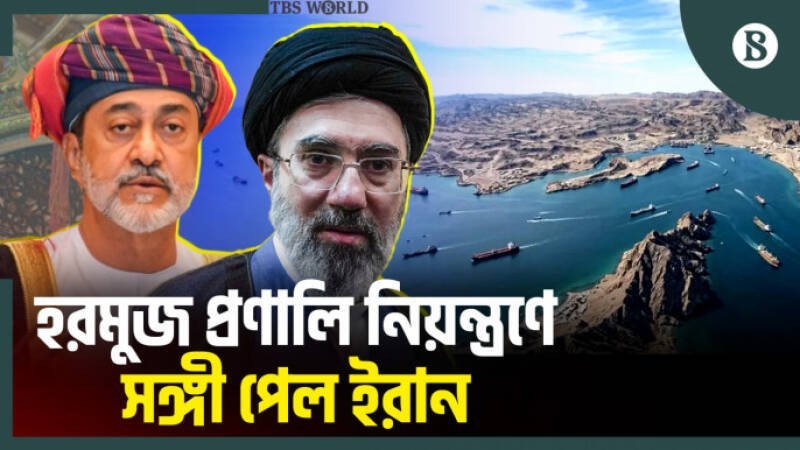
The Strait of Hormuz, a narrow waterway connecting the Persian Gulf to the Gulf of Oman and the Arabian Sea, is one of the world's most strategically important chokepoints for oil transit. A significant percentage of the world's oil supply passes through this strait daily, making its security and accessibility crucial for global energy markets. In recent years, several Arab countries, particularly those bordering the Persian Gulf, have expressed concerns about the strait's security and have, at times, suggested or explored options to "open" or safeguard it. But what exactly does it mean to "open" the Strait, and why have these efforts seemingly stalled or failed to achieve their objectives?
The notion of "opening" the Strait of Hormuz is complex. It doesn't simply refer to physically opening the waterway, which is already open for international navigation under international law. Instead, it often alludes to guaranteeing free and secure passage for all vessels, preventing disruptions to oil flow, and reducing the influence of any single nation, especially Iran, over the strait's access.
Several factors contribute to the challenges faced by Arab countries in achieving these goals:
The Strait of Hormuz is vital to the global economy. Disruptions to oil flow through this waterway can lead to significant price spikes, impacting consumers and businesses worldwide. The failure to secure the strait adequately can also exacerbate regional tensions and potentially lead to armed conflict. Therefore, understanding the challenges and complexities surrounding the Strait of Hormuz is crucial for policymakers, investors, and anyone concerned about global energy security.
In our opinion, the efforts to "open" the Strait of Hormuz by Arab countries have been largely unsuccessful due to a combination of geopolitical realities, legal constraints, and a lack of unified approach. The geographical advantage and military presence of Iran make it difficult to significantly alter the status quo without risking a major conflict. Furthermore, the reliance on external actors and the divergent foreign policy priorities of Arab nations further complicate the situation. A purely military solution seems unlikely and undesirable, given the potential for escalation.
This could impact the future direction of the region. As long as the current tensions remain, it is likely we will see continued posturing and military drills taking place in the area, potentially impacting shipping and commerce.
The future of the Strait of Hormuz remains uncertain. Several factors could influence its security and accessibility in the coming years:
Ultimately, ensuring the security and stability of the Strait of Hormuz requires a multifaceted approach that addresses the underlying political, economic, and security concerns of all stakeholders. While a complete "opening" of the strait, as envisioned by some Arab countries, may not be immediately feasible, continued efforts to promote dialogue, de-escalation, and regional cooperation are essential to prevent future crises and maintain the flow of energy to the global market. Without this, we believe the tension and disruption will only get worse.