Wembanyama Reaches Award Eligibility: Why It Matters
Victor Wembanyama has reached the 65-game requirement for NBA award eligibility. We break down the impact of this new rule and what it means for the league.
Wembanyama Achieves Award Eligibility: A Deep Dive
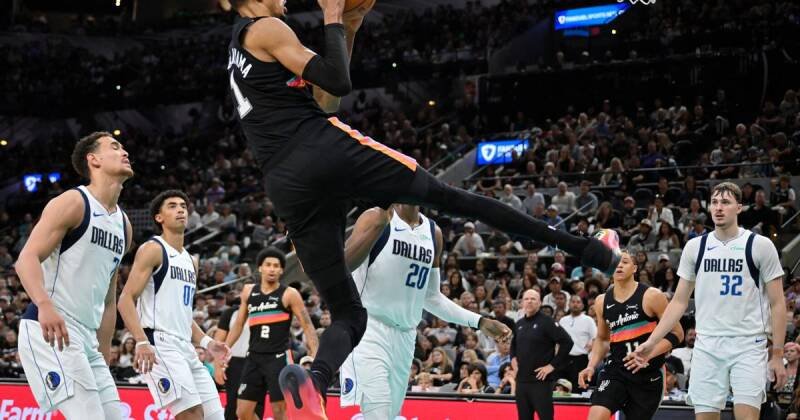
Victor Wembanyama, the San Antonio Spurs' phenom, has officially met the NBA's new 65-game requirement for award eligibility. This milestone was reached in a recent game against the Dallas Mavericks, sparking renewed discussion about the rule's impact on players and the league as a whole. But what does this really mean? Let's break it down.
The 65-Game Rule: A Quick Recap
The NBA implemented the 65-game rule to combat the increasing trend of "load management," where star players would strategically sit out games to rest. To be eligible for major awards like MVP, Defensive Player of the Year, and All-NBA selections, players must now participate in at least 65 regular-season games. There are some exceptions for season-ending injuries.
Wembanyama's recent bruised ribs highlighted the pressure this rule puts on players to play through minor ailments. He essentially played through pain to secure his eligibility.
Why This News Matters
The fact that Wembanyama, a rookie sensation who could contend for Defensive Player of the Year, actively pushed to reach 65 games underscores the weight of this new rule. It shows how much players value these accolades. It also raises the question of player health versus the desire for individual recognition. It also brings up the argument of whether availability should be the first attribute in considering a player’s worth.
This rule directly affects who gets recognized for their performance. High-caliber players that might previously been in the running for MVP are no longer eligible.
Our Analysis
The 65-game rule is a double-edged sword. On the one hand, it encourages players to be on the court more often, which is good for fans who want to see their favorite stars play. On the other hand, it could potentially force players to compete while injured, jeopardizing their long-term health.
In our opinion, the NBA's intention was good, but the execution needs tweaking. Perhaps a sliding scale based on games missed due to injuries would be a more equitable approach. For example, a player with a serious injury that made him miss a significant amount of time, but otherwise had a stellar season, might not be able to meet this new threshold to be awarded.
It's also worth noting the potential for unintended consequences. Teams might be more hesitant to shut down star players late in the season if they're already close to the 65-game threshold, even if doing so would be the best long-term decision for the player's health and the team's playoff chances.
Nikola Jokic's Situation: A Contrast
The article also mentions Nikola Jokic, the reigning MVP, potentially falling short of the 65-game mark. This highlights another layer of complexity. Established stars, who might prioritize playoff readiness over individual awards, could be disproportionately affected.
Future Outlook
The long-term impact of the 65-game rule remains to be seen. We anticipate ongoing discussions and potential adjustments in the coming years.
Possible Adjustments to the Rule
* **Injury Exemptions:** Refine the injury exemption process to provide more flexibility for players with legitimate medical concerns.
* **Sliding Scale:** Implement a sliding scale that considers the severity of injuries and their impact on a player's availability.
* **Data Analysis:** The NBA should actively monitor the injury rates and performance of players under the new rule to assess its overall effectiveness.
Impact on Player Behavior
This could impact the training and the care players take to avoid injury. We may see more aggressive treatment of injuries to help players hit this goal, which may be detrimental to their long-term health.
Conclusion
The 65-game rule is undoubtedly reshaping the NBA landscape. While it aims to enhance the fan experience and reward consistent performance, it also presents challenges related to player health and fairness. Only time will tell if it achieves its intended goals and what future adjustments might be necessary.