Waco Wetlands Rebuild: Protecting Waco's Drinking Water for the Future
Learn about the Waco Wetlands rebuild after the 2024 floods and how it safeguards Lake Waco's drinking water supply. Understand its impact and future.



Learn about the Waco Wetlands rebuild after the 2024 floods and how it safeguards Lake Waco's drinking water supply. Understand its impact and future.
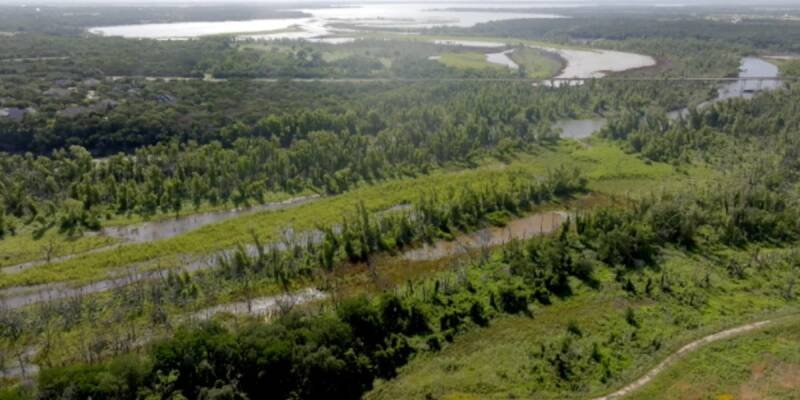
The Waco Wetlands, a vital part of Waco's ecosystem and water infrastructure, is undergoing a significant rebuild after suffering damage in the 2024 floods. This ambitious project aims to restore the wetlands' ability to naturally filter water and provide a haven for wildlife, ensuring a cleaner and more sustainable future for Lake Waco, the city's primary source of drinking water.
The Waco Wetlands are not just a pretty natural area; they are a carefully designed system that mimics natural wetlands to improve water quality. Think of them as nature's water treatment plant. Located near Lake Waco, these wetlands filter runoff water before it enters the lake. This runoff often contains pollutants from urban and agricultural areas, such as fertilizers, pesticides, and sediment.
The wetlands use natural processes to remove these pollutants. Plants and microbes in the soil break down contaminants, while the wetlands' design slows down the water flow, allowing sediment to settle out. This results in cleaner water flowing into Lake Waco, improving the quality of our drinking water.
The 2024 floods caused significant damage to the Waco Wetlands' infrastructure. Key components of the system, such as levees, channels, and control structures, were damaged or destroyed, disrupting the flow of water and reducing the wetlands' ability to filter pollutants. The flood's impact was a stark reminder of the importance of resilient infrastructure and the need to protect these vital natural assets.
The ongoing rebuild project focuses on restoring the Waco Wetlands to its pre-flood functionality and enhancing its resilience to future extreme weather events. Key aspects of the project include:
The Waco Wetlands rebuild is crucial for several reasons:
In our opinion, this project highlights the importance of investing in natural infrastructure to protect water resources and build community resilience.
The Waco Wetlands rebuild represents a proactive approach to water management. Instead of relying solely on traditional, energy-intensive water treatment plants, Waco is leveraging the power of nature to clean its water. This approach is not only cost-effective but also environmentally sustainable.
The success of the rebuild will depend on several factors, including effective project management, adequate funding, and community support. Close collaboration between government agencies, environmental organizations, and local residents will be essential to ensure the project's long-term success. This could impact other cities to see the benefits of natural waterways for water treatment.
The rebuilt Waco Wetlands have the potential to serve as a model for other communities seeking to enhance water quality and build resilience to climate change. By embracing natural infrastructure solutions, cities can create more sustainable and livable environments for future generations.
The ongoing monitoring of the wetlands' performance will be crucial to assess the effectiveness of the rebuild and identify any necessary adjustments. Continuous improvement and adaptive management will be key to ensuring that the Waco Wetlands continue to provide valuable ecosystem services for years to come.
This is why we think further investment into similar projects could benefit other cities and towns in the long run.