Vaccine May Reduce Alzheimer's Risk: What You Need to Know
A new study suggests a vaccine could significantly lower the risk of Alzheimer's disease. Learn about the findings, why they matter, and what the future holds.
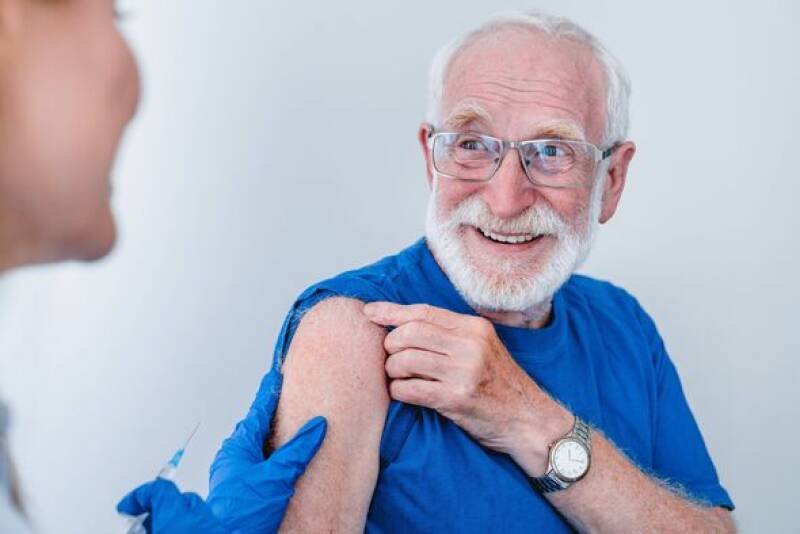



A new study suggests a vaccine could significantly lower the risk of Alzheimer's disease. Learn about the findings, why they matter, and what the future holds.
Exciting news is emerging from a recent large-scale study suggesting a link between vaccines and a significantly reduced risk of developing Alzheimer's disease. The study indicates that vaccination may be associated with a 55% lower chance of being diagnosed with this devastating neurodegenerative disease. This is a monumental development with potentially transformative implications for preventative healthcare.
The study, which analyzed a large dataset, found a statistically significant correlation between receiving a vaccine and a decreased incidence of Alzheimer's disease. While the specifics of which vaccine were studied aren't available in the original news report, the takeaway is clear: vaccination, in general, might play a protective role against this disease.
Alzheimer's disease is a major global health challenge, affecting millions worldwide. The current treatment options are limited and primarily focus on managing symptoms rather than curing or preventing the disease. Therefore, any potential avenue for prevention, especially one as accessible as vaccination, is incredibly valuable. If further research confirms these findings, it could revolutionize our approach to Alzheimer's prevention and care.
A 55% reduction in risk is substantial. Imagine the impact on healthcare systems and individual lives if we could significantly reduce the number of new Alzheimer's cases each year. This finding could offer hope to countless families facing the prospect of this debilitating illness.
While the study's findings are encouraging, it's crucial to approach them with cautious optimism. Correlation does not equal causation. The study demonstrates an association between vaccination and a reduced Alzheimer's risk, but it doesn't definitively prove that the vaccine *causes* the reduction. Other factors, such as lifestyle, genetics, and overall health, could also play a role. It's possible that individuals who receive vaccinations are also more likely to engage in other health-conscious behaviors, which could contribute to the lower risk.
In our opinion, further research is necessary to understand the underlying mechanisms behind this potential protective effect. Is it a specific component of a particular vaccine, or is it the broader stimulation of the immune system that provides the benefit? Understanding this mechanism will be vital for developing targeted preventative strategies.
It's also important to note that the specific type of vaccine studied isn't mentioned in the provided news snippet. This significantly limits the conclusions that can be drawn. Different vaccines work in different ways, and it's entirely possible that the protective effect is specific to a particular type of vaccine.
The next steps involve further research to confirm these findings, identify the specific vaccines associated with the protective effect, and unravel the underlying biological mechanisms. Larger, more comprehensive studies are needed, potentially including randomized controlled trials, to establish a definitive causal link.
This could impact future vaccine development, potentially leading to the creation of vaccines specifically designed to target Alzheimer's disease. It could also influence public health recommendations, encouraging vaccination as a preventative measure against Alzheimer's, pending further confirmation.
We believe this discovery could lead to significant advancements in our understanding of Alzheimer's disease and pave the way for more effective preventative strategies. It offers a glimmer of hope in the fight against this devastating illness and warrants further investigation with utmost urgency.
























