US-Iran Talks Stalled: What it Means for Oil Prices and Global Security
US negotiators leave Iran talks without a deal, while US Navy ships traverse the Strait of Hormuz. Explore the implications for oil prices, global security, and the future of US-Iran relations.
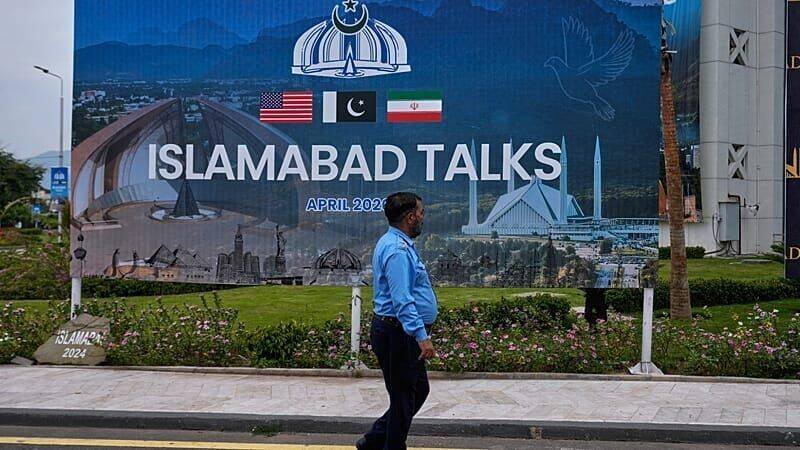
US-Iran Nuclear Talks Stall: No Deal in Sight
Negotiations between the United States and Iran aimed at reviving the 2015 nuclear deal have hit a snag, with U.S. negotiators reportedly leaving the latest round of talks without reaching an agreement. This development raises concerns about the future of the agreement and its potential impact on regional stability and global oil markets.
Strait of Hormuz Activity Adds to Tensions
Adding to the complexity of the situation, a U.S. official confirmed that several U.S. Navy ships recently crossed the Strait of Hormuz. This strategic waterway is a critical chokepoint for global oil supplies. Simultaneously, shipping data indicated that three supertankers also passed through the Strait. The timing of these events raises questions about potential signaling and heightened tensions in the region.
Why This News Matters
The failure to reach a nuclear agreement with Iran has significant implications. A revived deal would have eased sanctions on Iran in exchange for verifiable limits on its nuclear program, potentially preventing Iran from developing nuclear weapons. Without an agreement, the risk of Iran pursuing nuclear weapons increases, leading to regional instability and potentially triggering an arms race. Furthermore, the situation could escalate, drawing in other countries like Israel or Saudi Arabia.
The increased activity in the Strait of Hormuz, a vital oil transit route, underscores the precariousness of the situation. Any disruption to oil flows through the Strait could cause a spike in oil prices, impacting the global economy.
Our Analysis
In our opinion, the breakdown in negotiations is a setback for both the U.S. and Iran. The Biden administration had hoped to revive the 2015 agreement, seeing it as a way to prevent Iran from developing nuclear weapons and reducing tensions in the Middle East. For Iran, a restored deal would have provided much-needed economic relief through the lifting of sanctions. However, sticking points related to sanctions relief, verification mechanisms, and guarantees against future U.S. withdrawal from the deal have proven difficult to overcome.
The passage of U.S. Navy ships through the Strait of Hormuz is likely a show of force, intended to deter Iran from aggressive actions and reassure regional allies. However, it also carries the risk of miscalculation and escalation. The passage of supertankers suggests a continued, albeit tense, environment for oil transport.
Possible Reasons for the Stalemate
- Sanctions Relief: Iran seeks comprehensive and guaranteed sanctions relief, while the U.S. is hesitant to lift all sanctions imposed by the Trump administration.
- Verification: Ensuring rigorous verification of Iran's compliance with the nuclear agreement remains a challenge.
- Guarantees: Iran wants guarantees that the U.S. will not withdraw from the deal again, which the Biden administration cannot provide.
- Domestic Politics: Both countries face domestic political pressures that constrain their negotiating positions.
Future Outlook
The future of the Iran nuclear deal is uncertain. While neither side has completely ruled out further negotiations, the prospects for a breakthrough appear slim in the near term. This could impact global oil prices, depending on future developments.
Possible Scenarios:
- Continued Stalemate: Negotiations remain stalled, leading to increased tensions and a higher risk of escalation. Iran could continue to advance its nuclear program, bringing it closer to developing nuclear weapons.
- Limited Agreement: A smaller, more limited agreement could be reached, focusing on specific aspects of the nuclear program and sanctions relief. This would be a compromise solution, but it might not fully address the concerns of either side.
- Escalation: Tensions could escalate into a military confrontation, either directly between the U.S. and Iran or through proxy conflicts. This would have devastating consequences for the region and the global economy.
In our opinion, the most likely scenario is a continuation of the current stalemate, with periodic attempts at negotiations but no major breakthrough. This will likely lead to a gradual increase in tensions and a higher risk of miscalculation. Close monitoring of the situation is crucial, and diplomatic efforts to de-escalate tensions should be prioritized.