US-Iran Peace Talks Fail: What Happened and Why It Matters
The US-Iran peace talks have collapsed. We break down the details, analyze the implications, and explore the future outlook for this critical geopolitical event.



The US-Iran peace talks have collapsed. We break down the details, analyze the implications, and explore the future outlook for this critical geopolitical event.
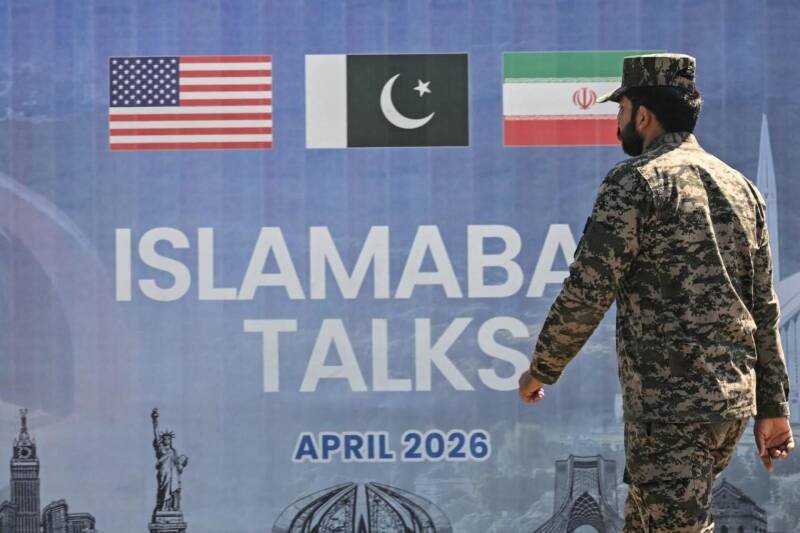
In a dramatic turn of events, peace talks between the United States and Iran have broken down, leaving the future of relations between the two nations uncertain. Senator JD Vance, who led the US delegation, announced his departure from negotiations, stating that he presented Tehran with the "final and best offer" but received no agreement.
While specifics of the "final offer" remain undisclosed, sources suggest it involved a potential easing of sanctions on Iran in exchange for verifiable guarantees that Iran would not pursue the development of nuclear weapons. The collapse of these talks represents a significant setback in efforts to de-escalate tensions in the Middle East.
The negotiations, described as "historic" by some analysts, aimed to address a multitude of issues, including Iran's nuclear program, its support for regional proxies, and ongoing human rights concerns. The breakdown suggests deep-seated mistrust and fundamental disagreements remain between the two sides.
The failure of these peace talks has far-reaching implications:
In our opinion, the failure of these talks stems from a combination of factors. Firstly, decades of mistrust and animosity between the US and Iran have created significant barriers to meaningful dialogue. Secondly, domestic political pressures in both countries likely constrained the negotiators' ability to compromise. Thirdly, fundamentally different visions for the future of the Middle East made it difficult to find common ground.
We believe that Senator Vance's statement about presenting a "final and best offer" indicates a lack of flexibility on the part of the US. While a firm stance is sometimes necessary, diplomacy requires a willingness to engage in give-and-take. The hardline approach might have been detrimental to the negotiations. This could impact future diplomatic relations between the US and other hostile countries.
The effectiveness of sanctions as a negotiating tool is also questionable. While sanctions have undoubtedly hurt the Iranian economy, they have also hardened the regime's resolve and fueled anti-American sentiment. A more nuanced approach, combining targeted sanctions with genuine diplomatic engagement, might have yielded better results.
The future of US-Iran relations remains uncertain. While the current talks have collapsed, the possibility of future negotiations cannot be ruled out. However, any renewed effort will require a shift in approach from both sides.
Moving forward, the following steps could be considered:
In the immediate term, we anticipate increased tensions in the region. The US will likely maintain its sanctions policy, while Iran may respond with further provocations. The risk of miscalculation and escalation remains high. The collapse of this agreement may be the start of a much longer conflict between the two countries.
Ultimately, a lasting resolution to the US-Iran conflict will require a fundamental shift in mindset from both sides. A willingness to compromise, a recognition of mutual interests, and a commitment to peaceful dialogue are essential for building a more stable and secure future for the Middle East.
























