Uniform Law for Religious Education: BJP MP's Push & Potential Impact
A BJP MP is advocating for a single law governing all religious educational institutions in India. What could this mean for minority rights and secularism? Get our analysis and future outlook.
BJP MP Seeks Uniform Law for All Religious Educational Institutes
The Proposal: A Single Set of Rules
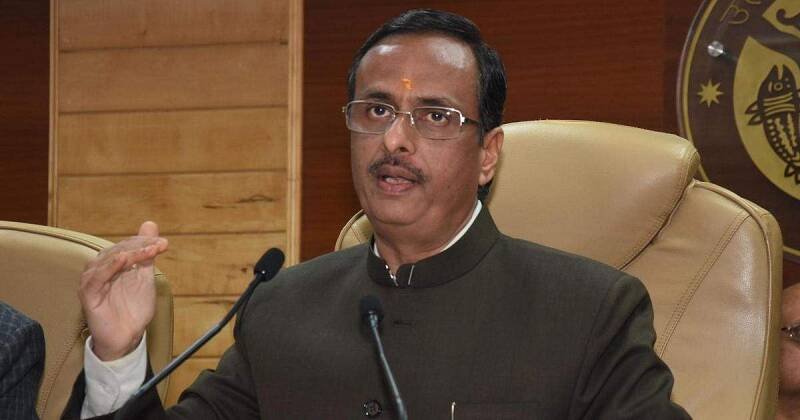
A Member of Parliament (MP) from the Bharatiya Janata Party (BJP) is pushing for a uniform law to govern all religious educational institutions across India. This means schools, colleges, and other educational centers run by religious organizations, regardless of their faith, would be subject to the same legal framework.
Currently, these institutions often operate under separate rules and regulations, sometimes enjoying exemptions or special considerations based on their religious affiliation. This proposal aims to level the playing field and bring consistency to the way these institutions are managed.
Why This News Matters
This development has significant implications for India's diverse religious landscape and its commitment to secularism. It raises questions about minority rights, the autonomy of religious organizations, and the role of the government in regulating religious affairs. The debate surrounding this proposal could reshape the educational system and the relationship between the state and religious institutions.
A uniform law could standardize curriculum, teacher qualifications, and financial practices. It could also address issues of discrimination and ensure that all students receive a quality education, regardless of the religious affiliation of the institution they attend. However, it could also lead to concerns about the erosion of religious freedom and the imposition of a one-size-fits-all approach to education.
Our Analysis
In our opinion, this proposal is likely to ignite a fierce debate. Proponents will argue it promotes equality and transparency, while opponents will fear it infringes on religious freedom and the right of religious communities to manage their own affairs. The success of this initiative will depend heavily on the specific details of the proposed law and the extent to which it addresses the concerns of all stakeholders.
It's important to note that the BJP has long advocated for a Uniform Civil Code (UCC), which would establish a single set of laws governing personal matters such as marriage, divorce, and inheritance, applicable to all citizens regardless of their religion. This proposal for a uniform law for religious educational institutions could be seen as a step towards that broader goal.
This could impact minority communities significantly, particularly those who rely on religious educational institutions to preserve their cultural heritage and religious identity. It's crucial that any proposed law takes into account the unique needs and concerns of these communities and ensures that their rights are protected.
Potential Benefits
- Increased transparency and accountability in religious educational institutions.
- Standardized curriculum and teacher qualifications, leading to improved education quality.
- Reduced discrimination and inequality.
- Streamlined regulatory processes.
Potential Drawbacks
- Infringement on religious freedom and autonomy.
- Erosion of cultural and religious identity.
- Resistance from religious organizations.
- Implementation challenges.
Future Outlook
The future of this proposal is uncertain. It will likely face strong opposition from various religious groups and political parties. The government will need to engage in extensive consultations with all stakeholders to address their concerns and build consensus. If the proposal moves forward, it could lead to significant changes in the landscape of religious education in India.
We believe that the key to a successful outcome lies in finding a balance between promoting equality and ensuring the protection of religious freedom. Any uniform law must be carefully crafted to respect the diversity of India's religious landscape and avoid imposing a one-size-fits-all approach that could alienate minority communities.
The coming months will be crucial as the debate unfolds and the government considers its next steps. This is a development that requires careful monitoring and thoughtful consideration of its potential consequences.