Trump's Iran Stance and NATO's Future: A Crisis Explained
Explore how Trump's hardline stance on Iran is impacting NATO, creating new tensions and raising questions about US commitment to European allies.
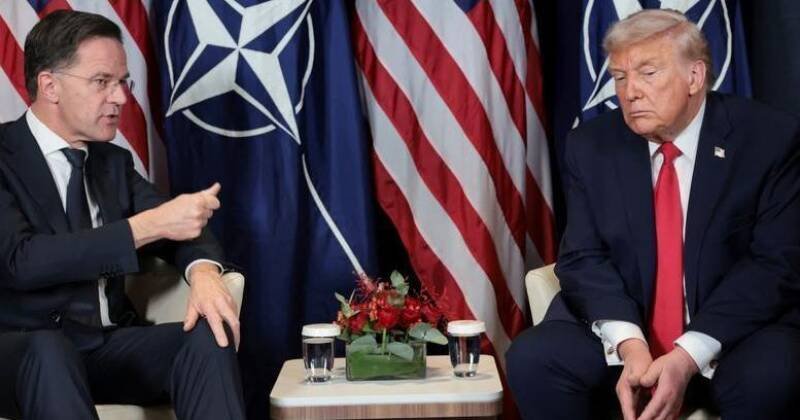



Explore how Trump's hardline stance on Iran is impacting NATO, creating new tensions and raising questions about US commitment to European allies.
Recent statements and actions by former President Donald Trump regarding Iran have thrown the NATO alliance into a period of uncertainty. While the US hasn't formally withdrawn from NATO, Trump's rhetoric has sparked fears among European allies that the US might not automatically come to their defense if they were attacked, particularly in a scenario involving Iran.
The core of the issue stems from Trump's strong criticism of Iran and its nuclear program. His past withdrawal from the Iran nuclear deal (JCPOA) and subsequent reimposition of sanctions put the US at odds with many European nations who believed the deal, despite its flaws, was the best way to prevent Iran from developing nuclear weapons. This difference in opinion has created a rift within NATO, particularly when coupled with Trump's broader questioning of NATO's value to the United States and his demand for increased defense spending from European members.
The primary concern isn't simply about differing opinions on Iran. It's about the potential erosion of Article 5, the cornerstone of NATO's collective defense. Article 5 states that an attack on one member is an attack on all. Trump's comments suggesting the US might not automatically honor this commitment have shaken the confidence of European allies. They're worried that if they were to be attacked – perhaps by Iran or a proxy, or even by another power – the US might hesitate to respond.
This situation has significant implications for global security. NATO has been a bedrock of stability in Europe for over 70 years, deterring aggression and maintaining peace. If the US commitment to NATO is perceived as weakened, it could embolden potential adversaries, leading to increased instability and conflict. A weaker NATO also undermines the transatlantic alliance, which has been a vital partnership for addressing global challenges such as terrorism, climate change, and economic instability. This could impact international cooperation on several other fronts.
In our opinion, Trump's comments, whether intentional or not, have created a real crisis of confidence within NATO. The threat to Article 5 is not just theoretical. The uncertainty it generates can be just as damaging as an outright withdrawal. It forces European nations to consider the possibility of defending themselves without US support, leading to increased military spending and potentially a shift in their foreign policy priorities. This could result in a more fragmented and less unified response to global challenges.
Furthermore, this situation highlights a fundamental difference in perspective between the US and Europe regarding Iran. While the US under Trump viewed Iran as a primary threat, many European nations prioritized diplomacy and de-escalation. Reconciling these differing viewpoints is crucial for maintaining a strong and united NATO.
The future of NATO in relation to the Iranian situation is uncertain and depends heavily on several factors:
Ultimately, the strength and unity of NATO will depend on the willingness of its members to address their differences and reaffirm their commitment to collective defense. This requires open communication, mutual understanding, and a shared vision for the future of the alliance. Without it, the consequences for European security and global stability could be dire. This could impact how smaller nations are treated in geopolitical conflicts.