Trump's Iran Stance: A New Crisis for NATO Explained
Trump's anger over Iran throws NATO into turmoil. We break down the potential impact, analyze the situation, and look at the future outlook for the alliance.
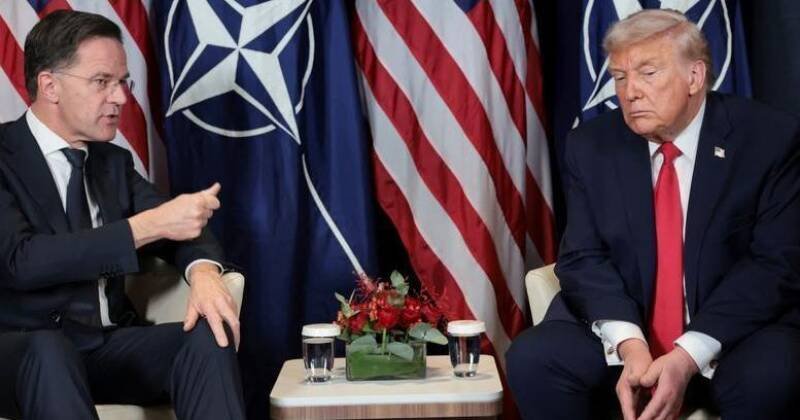



Trump's anger over Iran throws NATO into turmoil. We break down the potential impact, analyze the situation, and look at the future outlook for the alliance.
Recent statements and actions by former President Donald Trump regarding Iran have reignited deep anxieties within the NATO alliance. The core concern centers on whether the United States, under a potential second Trump administration, would uphold its commitment to defend European allies if they were attacked, particularly in scenarios related to escalating tensions with Iran.
NATO's bedrock is Article 5, the collective defense clause. This principle states that an attack on one member is an attack on all. However, Trump's past criticisms of NATO, questioning its value and suggesting some members aren't pulling their weight financially, have eroded confidence in the U.S.'s unwavering dedication to this principle. The current worry stems from fears that a Trump administration might not automatically trigger Article 5 in a conflict involving a European ally and Iran, even without a formal withdrawal from NATO.
The situation is further complicated by the volatile relationship between Iran and the West. Any escalation in tensions, whether a direct attack or a proxy conflict, could easily drag European nations into the fray. If an ally were targeted due to its stance on Iran, the question of U.S. support becomes paramount. Trump's well-documented skepticism toward the Iran nuclear deal and his more hawkish foreign policy stance add fuel to this fire.
The uncertainty surrounding U.S. commitment to NATO has significant implications for global security:
In our opinion, Trump's stance, whether a deliberate negotiating tactic or a genuine reflection of his views, introduces a dangerous level of ambiguity into the security landscape. While the U.S. officially remains committed to NATO, his past rhetoric has sown seeds of doubt. This could impact allied resolve and potentially encourage adversaries to test the limits of NATO's unity.
We believe that his past actions already suggest a potential shift in US foreign policy should he be re-elected. The current Ukraine situation, for example, sees a stark divide in opinions in the US compared to European allies. Iran is just another potential flashpoint, and any escalations there could easily strain transatlantic relations further. It would seem that Trump does not see these relationships as symbiotic, and is happy to act alone.
The future of NATO, particularly in the context of potential conflict involving Iran, hinges on several factors:
Ultimately, the strength of NATO lies in its unity and resolve. Addressing the anxieties surrounding U.S. commitment, strengthening European defense capabilities, and pursuing diplomatic solutions are crucial steps to ensure the alliance remains a credible deterrent and a force for stability in an increasingly uncertain world. This could impact the long term security of Europe.