Trump Iran Warning: Civilization at Risk? Understanding the Stakes
Donald Trump's stark warning about Iran and the Strait of Hormuz. We break down the complexities, analyze the risks, and explore the potential future impacts of this geopolitical flashpoint.
Trump Warns of Civilizational Collapse: Is Iran Deal Really That Critical?
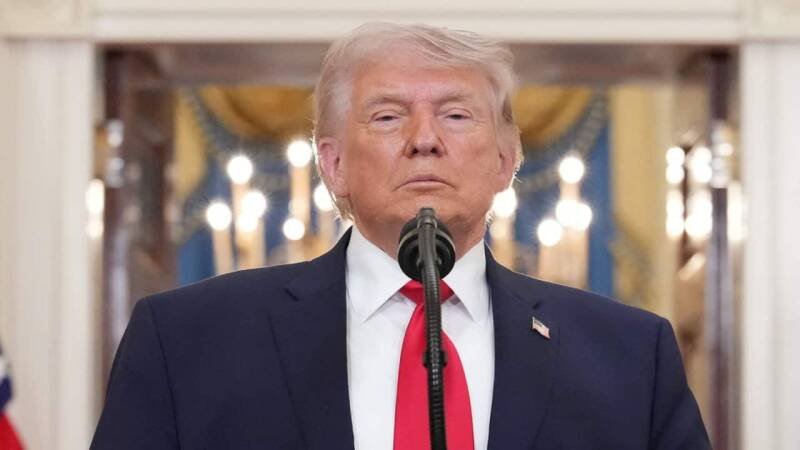
Former U.S. President Donald Trump issued a dramatic warning on Tuesday, stating that a "whole civilization will die tonight" if a deal with Iran isn't reached, specifically referencing the need to reopen the Strait of Hormuz. This statement, while characteristically forceful, raises critical questions about the current state of U.S.-Iran relations and the potential consequences of their ongoing tensions.
Understanding the Context
To understand Trump's statement, it's essential to consider the history. Under President Obama, the US and other world powers (China, France, Germany, Russia, and the UK) entered into the Joint Comprehensive Plan of Action (JCPOA), also known as the Iran nuclear deal. This deal aimed to prevent Iran from developing nuclear weapons in exchange for the lifting of economic sanctions. President Trump withdrew the US from the JCPOA in 2018, reimposing sanctions and escalating tensions.
The Strait of Hormuz is a vital shipping lane located between Oman and Iran, connecting the Persian Gulf to the Indian Ocean. A significant portion of the world's oil supply passes through this narrow waterway. Any disruption here could have massive economic ramifications globally.
Why This News Matters
Trump's statement highlights the perceived high stakes in the ongoing conflict between the U.S. and Iran. The reference to "civilization" dying is hyperbole, of course, but it underscores the potential for widespread catastrophe should the situation escalate. A closure of the Strait of Hormuz, even temporarily, could cripple global oil markets, triggering economic instability and potentially sparking regional conflicts.
This situation has direct relevance to:
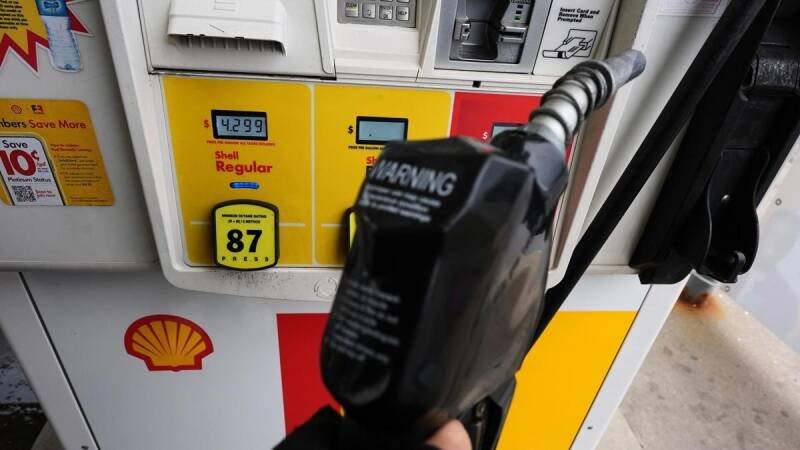
- Global Energy Markets: Any disruption to oil supplies from the Persian Gulf would send prices soaring, impacting consumers worldwide.
- Middle Eastern Stability: Increased tensions risk broader conflict involving regional powers, including Saudi Arabia and Israel.
- International Diplomacy: The failure of the JCPOA highlights the challenges of negotiating with Iran and the effectiveness of sanctions as a tool of foreign policy.
Our Analysis
In our opinion, Trump's words were meant to be a strong message and a negotiation tactic. While a complete collapse of "civilization" is highly unlikely, the situation carries significant risks. The JCPOA was designed to prevent Iran from developing nuclear weapons, and its abandonment by the U.S. has undoubtedly created greater uncertainty. Furthermore, the threat of disruption to the Strait of Hormuz is a credible one, given Iran's capabilities and past actions. The threat should be taken seriously.
We believe there are several key factors at play:
- Economic Pressure: The U.S. sanctions are crippling Iran's economy, creating internal pressure on the government.
- Regional Rivalries: Iran's involvement in conflicts in Syria, Yemen, and Iraq further complicates the situation.
- Nuclear Ambitions: Despite Iran's claims to the contrary, the international community remains concerned about its nuclear program.
Future Outlook
The future of U.S.-Iran relations remains uncertain. A return to the JCPOA, even in a modified form, seems unlikely in the near term. A potential new administration in the White House could shift course. Continued sanctions and heightened tensions are likely to persist, with the risk of miscalculation or escalation always present.
This could impact several areas:
- Escalation of Conflicts: Increased naval presence in the Persian Gulf could lead to accidental or intentional confrontations.
- Cyber Warfare: Both countries have demonstrated capabilities in cyber warfare, which could be used to target critical infrastructure.
- Proxy Wars: Iran could continue to support proxies in the region, further destabilizing countries like Yemen and Syria.
Ultimately, a diplomatic solution is needed to de-escalate tensions and address the underlying issues. Dialogue, even if difficult, is the only way to prevent a potentially catastrophic outcome. It requires all parties to the conversation being willing to compromise. Ignoring the problem and hoping it goes away simply isn’t an option.