Trump Criticizes NATO, Renews Greenland Interest: What It Means
Donald Trump lashes out at NATO allies and brings up Greenland again. Explore the implications and what it means for international relations.
Trump Criticizes NATO, Revisits Greenland Idea: A Deep Dive
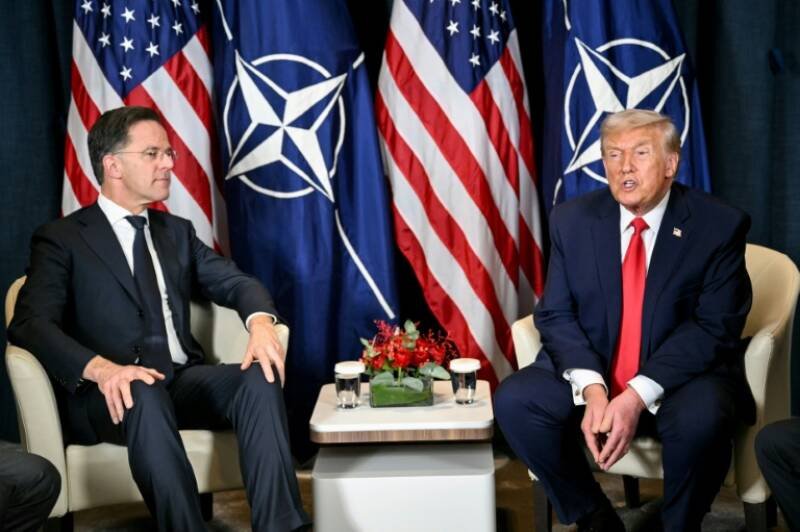
President Donald Trump has once again stirred the pot, this time directing criticism towards NATO allies and reviving his previously expressed interest in Greenland. While these might seem like separate issues, they both highlight Trump's unique approach to international relations and his transactional view of alliances.
Trump's NATO Comments: "Paper Tiger" Accusations
Trump's recent comments focused on NATO allies he feels didn't sufficiently support the United States during potential conflict with Iran. He has long argued that many NATO countries aren't contributing their fair share to the alliance's defense budget, pressing them to increase their spending to meet the agreed-upon 2% of GDP target.
His remarks are a continuation of a familiar narrative, accusing allies of free-riding on US military might. While there is some truth to the claim that a number of NATO members haven't met the 2% threshold, many have significantly increased their spending in recent years in response to Trump's pressure and growing security concerns.
Greenland Acquisition: A Recurring Theme
The reemergence of Trump's interest in acquiring Greenland is equally noteworthy. This isn't a new idea; he floated the possibility in 2019, prompting a firm rejection from Denmark, which governs the island. Greenland holds strategic importance due to its location in the Arctic and its potential for resource extraction. However, the idea of purchasing a territory that belongs to another sovereign nation is, to say the least, unconventional in modern geopolitics.
Why This News Matters
Trump's actions, whether criticizing allies or expressing interest in annexing Greenland, have real-world consequences. They can strain relationships with key allies, sow uncertainty in international alliances, and raise questions about the United States' commitment to traditional diplomatic norms. Weakening NATO, even rhetorically, could embolden adversaries and create instability. The Greenland issue, while seemingly outlandish, highlights a potential disregard for the sovereignty of smaller nations.
Our Analysis
In our opinion, Trump's approach to foreign policy is driven by a desire to renegotiate existing power dynamics and prioritize what he perceives as US interests above all else. While demanding greater burden-sharing from allies isn't inherently wrong, the way he delivers the message – often with harsh criticism and threats – can be counterproductive.
His continued fascination with Greenland, even after being rebuffed, suggests a fundamental misunderstanding of international relations and a willingness to pursue unconventional and potentially destabilizing policies. This could impact US credibility on the world stage. It raises concerns about how the US views its role as a global leader.
Future Outlook
The future of US-NATO relations remains uncertain. The pressure on allies to increase defense spending will likely continue, and further disagreements are possible. Whether these disagreements will lead to a fundamental shift in the alliance's structure or purpose is a question that only time will answer.
The Greenland issue is unlikely to disappear entirely. While a formal acquisition is highly improbable, the US may continue to explore opportunities for increased economic and strategic cooperation with Greenland, recognizing its growing importance in a rapidly changing Arctic region. This could involve investments in infrastructure and resource development, strengthening the US presence in the area.
The Geopolitical Landscape
Ultimately, these actions highlight the evolving geopolitical landscape. Traditional alliances are being challenged, and new power dynamics are emerging. Navigating this complex environment requires careful diplomacy, a commitment to international norms, and a clear understanding of the potential consequences of unconventional actions.