The Declaration of Independence: How the News Spread in 1776
Explore how the Declaration of Independence was disseminated in 1776, its impact, and its continuing relevance, based on historian Emily Sneff's research.
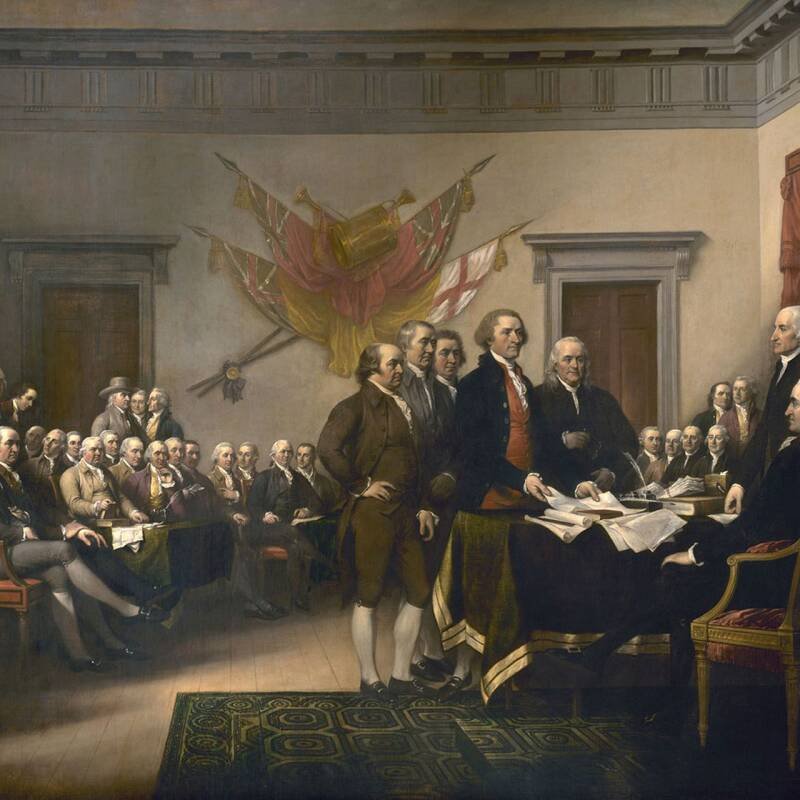



Explore how the Declaration of Independence was disseminated in 1776, its impact, and its continuing relevance, based on historian Emily Sneff's research.
Imagine a world without the internet, social media, or even reliable postal services. That was the reality in 1776 when the Declaration of Independence was signed. A new book by historian Emily Sneff sheds light on how this pivotal document reached the American public and the world, offering a fascinating glimpse into the communication networks of the time.
Sneff's research meticulously tracks the journeys of the Declaration's first printed copies. These weren't mass-produced newspapers readily available on every street corner. Instead, they were carefully crafted documents, printed and then painstakingly distributed through a network of riders, ships, and word-of-mouth. Think of it as the 18th-century version of a viral social media campaign, but far slower and much more deliberate.
The journey wasn't just about getting the document from point A to point B. It was about building momentum, swaying public opinion, and ultimately, galvanizing support for the American Revolution. The Declaration was more than just a statement of independence; it was a call to action.
Understanding how the Declaration was disseminated provides valuable context for appreciating its impact. It wasn't simply a philosophical statement; it was a carefully orchestrated communication strategy designed to shape the course of history. It highlights the challenges faced by the Founding Fathers in communicating their revolutionary ideas and the ingenuity they employed to overcome those challenges. This offers lessons applicable to modern communication strategies, even if the tools are radically different. It also reminds us how easily information could be controlled or suppressed in an era without instant global communication. The effort to spread this vital information underscores its importance.
Sneff's work is a valuable contribution to our understanding of the American Revolution. By focusing on the mechanics of dissemination, she offers a fresh perspective on a well-trodden topic. It's easy to take for granted how quickly information travels today, but Sneff's research reminds us of the deliberate effort required to spread ideas in the 18th century.
In our opinion, this book highlights the critical role of communication in shaping historical events. Without a coordinated effort to distribute the Declaration, its impact might have been significantly diminished. The Founding Fathers were not just revolutionaries; they were also skilled communicators and propagandists.
Sneff's research could inspire further exploration into the communication networks of the American Revolution. There are likely many untold stories about how information flowed (or didn't flow) between the colonies and across the Atlantic. This research also suggests that even with modern technology, the message is more important than the delivery method. Focus on the impact and strategic communication for the best outcome. Further, a deeper understanding of how news was received and interpreted in different communities could reveal nuances in the public's reaction to the Revolution that have been overlooked.
This could impact how we view historical events, forcing us to consider not just the actions themselves but also the complex process of communicating those actions to the world. Moreover, insights from this era of communication could inform modern strategies for engaging with the public, particularly in times of crisis or social change.
The insights offered by Emily Sneff's book are incredibly valuable. In a world saturated with information, understanding how pivotal moments in history were communicated is more important than ever. The lessons learned from the Declaration's journey are timeless.