Thai Car Exports Face Challenges Due to Middle East Conflict
Thailand's car exports may slow down this year because of the war in the Middle East, potentially increasing inflation and impacting the automotive industry.
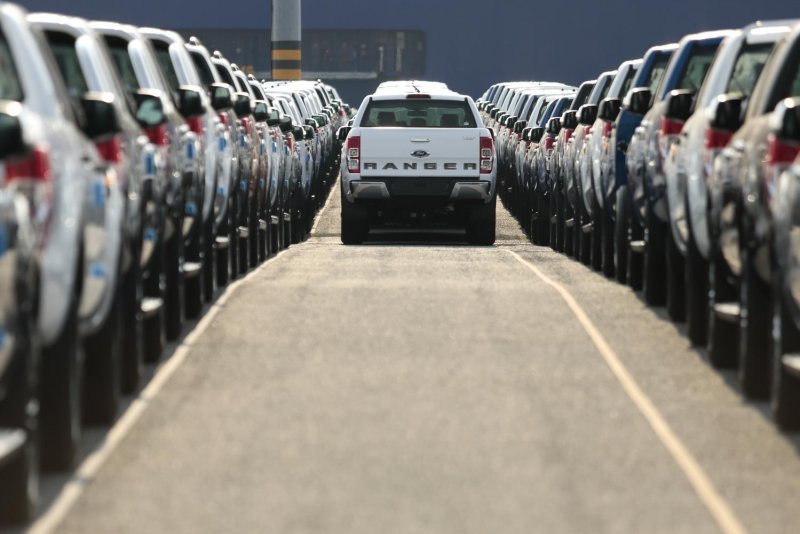



Thailand's car exports may slow down this year because of the war in the Middle East, potentially increasing inflation and impacting the automotive industry.
Thailand's automotive industry is facing potential headwinds that could slow down car exports this year. The primary concern stems from the ongoing conflict in the Middle East, which is creating uncertainty in the global economy.
According to Surapong Paisitpatanapong, vice-chairman of the Federation of Thai Industries (FTI) and spokesman for its Automotive Industry Club, the war's outbreak poses a significant challenge. The conflict's effects could ripple through the global economy, influencing Thailand's car export performance.
Beyond the direct impact of the conflict, there are also concerns about rising inflation. If the conflict continues for an extended period, it could lead to increased prices for goods and services. This inflationary pressure could impact consumer spending in Thailand's export markets, leading to reduced demand for Thai-made vehicles. The situation requires careful monitoring of global markets and supply chains.
The Federation of Thai Industries (FTI) is closely watching the situation and its potential effects on the automotive sector. As a leading industry body, the FTI provides insights and analysis on the automotive industry, helping businesses navigate challenges and capitalize on opportunities. Surapong Paisitpatanapong, in his dual role, offers an important perspective on the complex factors affecting the country's car exports.
The combination of conflict-related uncertainty and potential inflationary pressures raises the possibility of sluggish car exports for Thailand this year. While the Thai automotive industry has demonstrated resilience in the past, the current global landscape presents a complex set of challenges. Businesses will need to adapt and closely monitor market conditions to mitigate potential negative impacts.
The FTI and other industry stakeholders will continue to monitor the situation closely, assessing the impact of the Middle East conflict and inflation on the automotive sector. They will also likely be seeking ways to support the industry and promote exports in the face of these challenges. This includes exploring alternative markets and enhancing the competitiveness of Thai-made vehicles.