Texas Smokable Hemp Ban: What It Means for Businesses and Consumers
Texas has banned smokable hemp. Learn how this affects businesses, consumers, and the future of the hemp industry in Texas. We provide expert analysis and future outlook.



Texas has banned smokable hemp. Learn how this affects businesses, consumers, and the future of the hemp industry in Texas. We provide expert analysis and future outlook.
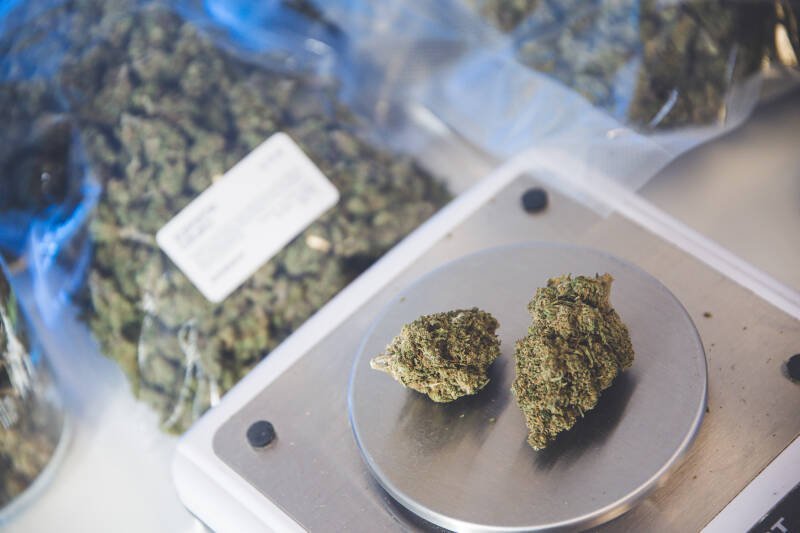
A new rule in Texas has gone into effect, banning the sale of smokable hemp flower. This means Texans can no longer legally purchase or sell hemp that can be smoked, a move that's already impacting businesses across the state.
The ban targets hemp flower specifically, which looks and smells very similar to marijuana. While hemp and marijuana both come from the cannabis plant, hemp is defined as containing 0.3% or less of THC (delta-9 tetrahydrocannabinol), the psychoactive compound that causes a "high." Hemp is legal federally and in Texas, allowing for the sale of CBD products derived from hemp.
However, the state has argued that smokable hemp presents a challenge for law enforcement because it's difficult to distinguish from marijuana without lab testing. This has led to the ban, which proponents say is aimed at preventing the illegal sale of marijuana disguised as hemp.
Business owners who sell smokable hemp are facing immediate challenges. They now have to find alternative products to sell, potentially losing a significant portion of their revenue. Many businesses had invested heavily in smokable hemp, and this ban leaves them with unsold inventory and uncertain futures.
This ban has far-reaching implications beyond just hemp businesses. It impacts consumers who use smokable hemp for various reasons, including relaxation and pain relief. It also raises questions about the future of the hemp industry in Texas and how the state will regulate hemp products going forward.
This regulatory action illustrates a larger trend where states are grappling with the complexities of cannabis regulation, particularly as it relates to distinguishing between hemp and marijuana, and the rise of intoxicating hemp-derived products like Delta-8 THC.
In our opinion, this ban is a knee-jerk reaction to perceived issues with law enforcement and the difficulty in differentiating between hemp and marijuana. While the state's concerns are understandable, a complete ban on smokable hemp might not be the most effective solution. Instead, focusing on stricter regulations, improved testing methods, and better enforcement could have been a more balanced approach.
Furthermore, this move could have unintended consequences. By eliminating a legal source of smokable hemp, the ban could potentially drive consumers towards the black market, where products are unregulated and potentially unsafe.
This also adds to the confusion among consumers. Many people have found relief and other benefits from hemp-derived products and may now turn to other alternatives or potentially to products with more adverse effects.
The future of the hemp industry in Texas is now uncertain. This ban could lead to a decline in the number of hemp businesses and a decrease in the availability of hemp products for consumers. It's likely that businesses will adapt by focusing on other hemp-derived products, such as CBD oils, edibles, and topicals.
However, the long-term impact will depend on how the state continues to regulate the hemp industry. There's a possibility that the ban could be challenged in court, or that the state could revisit its policy in the future. It's also possible that the state may introduce stricter regulations on other hemp-derived products, particularly those with intoxicating effects, like Delta-8 and Delta-9 THC derived from hemp.
This could impact Texas farmers who grow hemp, as the demand for hemp flower decreases. They may need to diversify their crops or find new markets for their hemp.
Ultimately, the future of hemp in Texas will depend on the ongoing debate surrounding cannabis regulation and the state's willingness to strike a balance between protecting public safety and supporting a growing industry. It's essential for businesses and consumers to stay informed about the latest developments and advocate for policies that promote a safe and responsible hemp market.