Supreme Court Upholds Free Speech in "Conversion Therapy" Case: A Deep Dive
The Supreme Court affirms First Amendment rights related to "conversion therapy." Explore the implications, analysis, and future outlook of this critical decision.
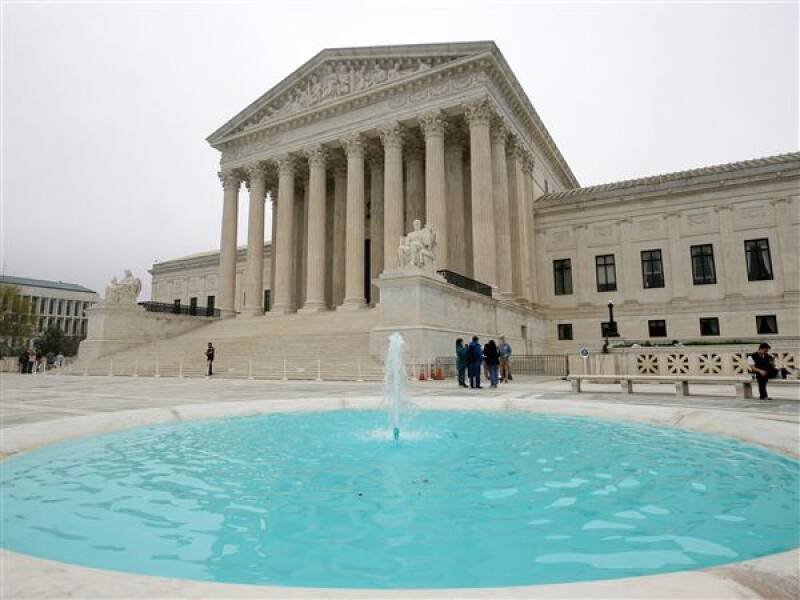



The Supreme Court affirms First Amendment rights related to "conversion therapy." Explore the implications, analysis, and future outlook of this critical decision.
The Supreme Court recently made a significant decision regarding speech related to so-called "conversion therapy." The ruling centers around the First Amendment and its protection of freedom of speech, even in controversial areas. This decision arrives amidst growing concerns about potential infringements on free speech from both ends of the political spectrum. But what does this actually mean, and why is it important?
Before diving into the legal aspects, let's clarify what "conversion therapy" is. It refers to practices aimed at changing an individual's sexual orientation or gender identity. These practices have been widely condemned by medical and psychological organizations as ineffective and potentially harmful. Some states and localities have enacted laws banning or restricting conversion therapy, particularly concerning minors.
The Supreme Court's decision hinges on the principle that speech, even speech related to controversial or unpopular ideas, is generally protected under the First Amendment. The court's stance suggests that while the *practice* of conversion therapy might be regulated (especially when it involves physical harm or abuse), restricting *speech* about it raises significant constitutional concerns.
This ruling has far-reaching implications beyond just the specific issue of conversion therapy. It reinforces the fundamental principle that the government cannot suppress speech simply because it disapproves of the message being conveyed. This protection, while sometimes allowing for the expression of ideas that many find objectionable, is crucial for a healthy and functioning democracy. Without it, the door could be opened to broader censorship and limitations on free expression.
The decision highlights the delicate balance between protecting vulnerable individuals and upholding constitutional rights. While the intention behind banning conversion therapy is often to safeguard LGBTQ+ individuals, particularly minors, a complete restriction on related speech can raise questions about the limits of government power and the potential for overreach.
In our opinion, the Supreme Court's decision underscores the complexity of balancing deeply held beliefs and practices with the constitutional guarantee of free speech. It's not necessarily an endorsement of conversion therapy itself, but rather a reaffirmation that the government must tread carefully when restricting what people can say, even if those words are hurtful or considered harmful by some.
This could impact future legal challenges to laws regulating speech in other controversial areas. The precedent set by this case might be invoked in debates about hate speech, political discourse, and even online censorship. It emphasizes the importance of clearly defining the line between protected speech and unprotected conduct.
The legal battles surrounding conversion therapy are far from over. While the Supreme Court has addressed the speech component, questions remain about the legality of the *practice* itself, particularly concerning minors. Future litigation may focus on defining the boundaries between protected speech and unprotected conduct, and on developing regulations that effectively protect vulnerable individuals without infringing on constitutional rights.
We anticipate continued debate and advocacy on both sides of this issue. The Supreme Court's decision will likely fuel further discussions about the limits of free speech, the rights of LGBTQ+ individuals, and the role of government in protecting vulnerable populations. This is a conversation that needs to be had in the open, with respect for differing viewpoints.