Supercomputers Explained: Types, Uses, and Future Impact
What are supercomputers? This article breaks down the different types, their critical uses, and what the future holds for these powerful machines.



What are supercomputers? This article breaks down the different types, their critical uses, and what the future holds for these powerful machines.
The term "supercomputer" gets thrown around quite a bit, conjuring images of blinking lights and immense processing power. But what does it really mean? What distinguishes a "regular" computer from one deemed "super?" This article breaks down the key aspects of supercomputers, exploring their different types, vital applications, and potential future developments.
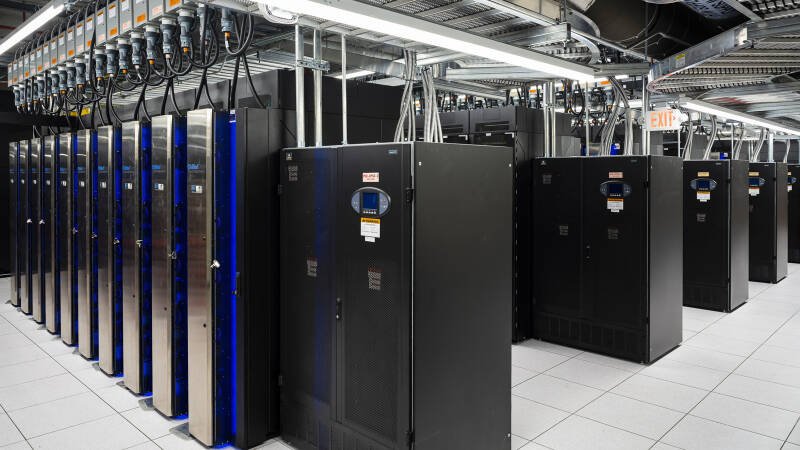
Essentially, a supercomputer is a computer that operates at or near the current practical limits of computational capability. These machines are designed for speed and are far more powerful than everyday desktop computers. They achieve this power through:
The benchmark for supercomputer performance is often measured in FLOPS (floating-point operations per second). Supercomputers are pushing into the exascale realm, meaning they can perform at least one exaflop (a quintillion calculations) per second.
While the lines can sometimes blur, supercomputers can be generally categorized based on their architecture and intended use:
Supercomputers are crucial for tackling some of the most challenging problems in science, engineering, and industry. Here are a few key applications:
The advancement of supercomputing technology is paramount for progress across numerous sectors. Faster and more powerful supercomputers enable scientists to make groundbreaking discoveries, engineers to design more efficient products, and businesses to gain a competitive edge. Moreover, investments in supercomputing often drive innovation in related fields, such as processor design, memory technology, and networking infrastructure.
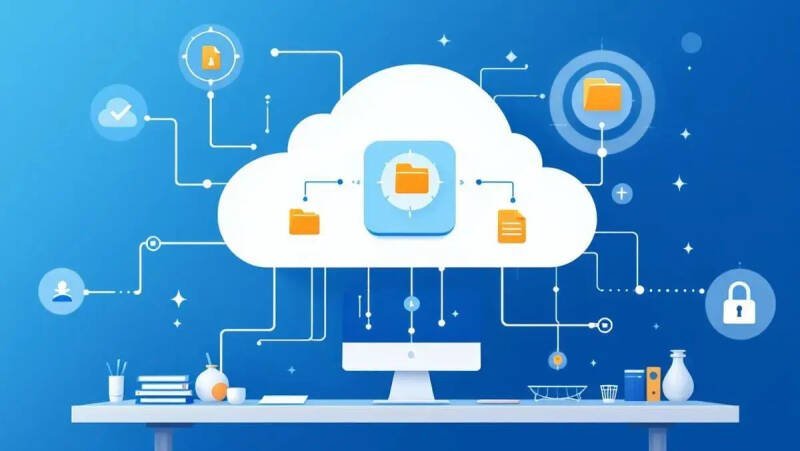
In our opinion, the race for exascale computing is a significant milestone. It signifies a shift towards even more complex simulations and data analysis capabilities. This could impact everything from personalized medicine to the development of sustainable energy sources. The rise of cloud-based supercomputing is also noteworthy, making high-performance computing resources more accessible to smaller organizations and researchers.
The future of supercomputing is likely to be characterized by several key trends:
The demand for supercomputing power is only going to increase as we tackle increasingly complex challenges. Advancements in this field are essential for driving scientific discovery, technological innovation, and economic growth. In the coming years, we can expect to see even more powerful and versatile supercomputers emerge, shaping the future of our world.