Sudan Food Crisis: Millions Struggle as War Deepens
The war in Sudan has triggered a devastating food crisis, leaving millions struggling to survive. Learn about the causes, impact, and future outlook.
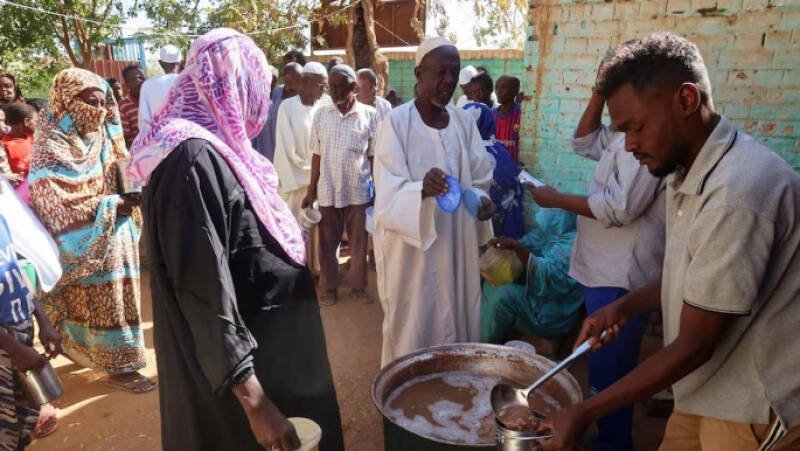



The war in Sudan has triggered a devastating food crisis, leaving millions struggling to survive. Learn about the causes, impact, and future outlook.
Sudan is facing a catastrophic food crisis as its war between the Sudanese army and the paramilitary Rapid Support Forces (RSF) continues. Millions of people are now surviving on just one meal a day, according to various non-governmental organizations (NGOs). This situation is pushing the country to the brink of famine and exacerbating an already dire humanitarian disaster.
The ongoing conflict, now entering its third year, has had a devastating impact on Sudan's food production and distribution systems. The war has displaced millions, forcing them to abandon their homes and livelihoods. Farmlands have been destroyed, supply chains disrupted, and humanitarian access severely restricted.
The combination of these factors has led to skyrocketing food prices and widespread shortages. Many families simply cannot afford to buy enough food to meet their basic needs. The situation is particularly dire for vulnerable populations, including children, the elderly, and pregnant women. The lack of adequate nutrition is leading to severe health problems, including malnutrition and increased susceptibility to disease.
The food crisis in Sudan is not just a local problem; it's a global tragedy with far-reaching consequences. It highlights the devastating impact of armed conflict on food security and the urgent need for humanitarian intervention. The crisis also raises concerns about regional stability, as widespread hunger and displacement can fuel further conflict and migration.
Ignoring this crisis could have dire consequences, potentially leading to a full-blown famine and further destabilizing the region. It is our collective responsibility to raise awareness and demand action from the international community.
In our opinion, the root cause of the food crisis is the ongoing war. Without a ceasefire and a commitment to peace, it will be impossible to address the underlying factors driving hunger and displacement. The international community must exert greater pressure on the warring parties to end the violence and allow for the safe delivery of humanitarian aid.
Furthermore, the international response to the crisis has been inadequate. More funding is needed to support humanitarian organizations working on the ground. It's also crucial to ensure that aid reaches those who need it most, without being diverted or blocked by the warring parties. This could impact the lives of millions.
The future outlook for Sudan is bleak unless there is a significant shift in the current trajectory. If the war continues, the food crisis will likely worsen, leading to even greater suffering and loss of life. The possibility of a widespread famine looms large.
However, there is still hope. A negotiated peace settlement could pave the way for a restoration of food production and distribution systems. Increased humanitarian assistance could provide immediate relief to those who are suffering. It is imperative that the international community act decisively to prevent further catastrophe.
Addressing the food crisis in Sudan requires a comprehensive and sustained effort. It's a challenge that demands the attention and resources of the international community. Only through collective action can we hope to avert a humanitarian catastrophe and help the people of Sudan build a more peaceful and prosperous future.